
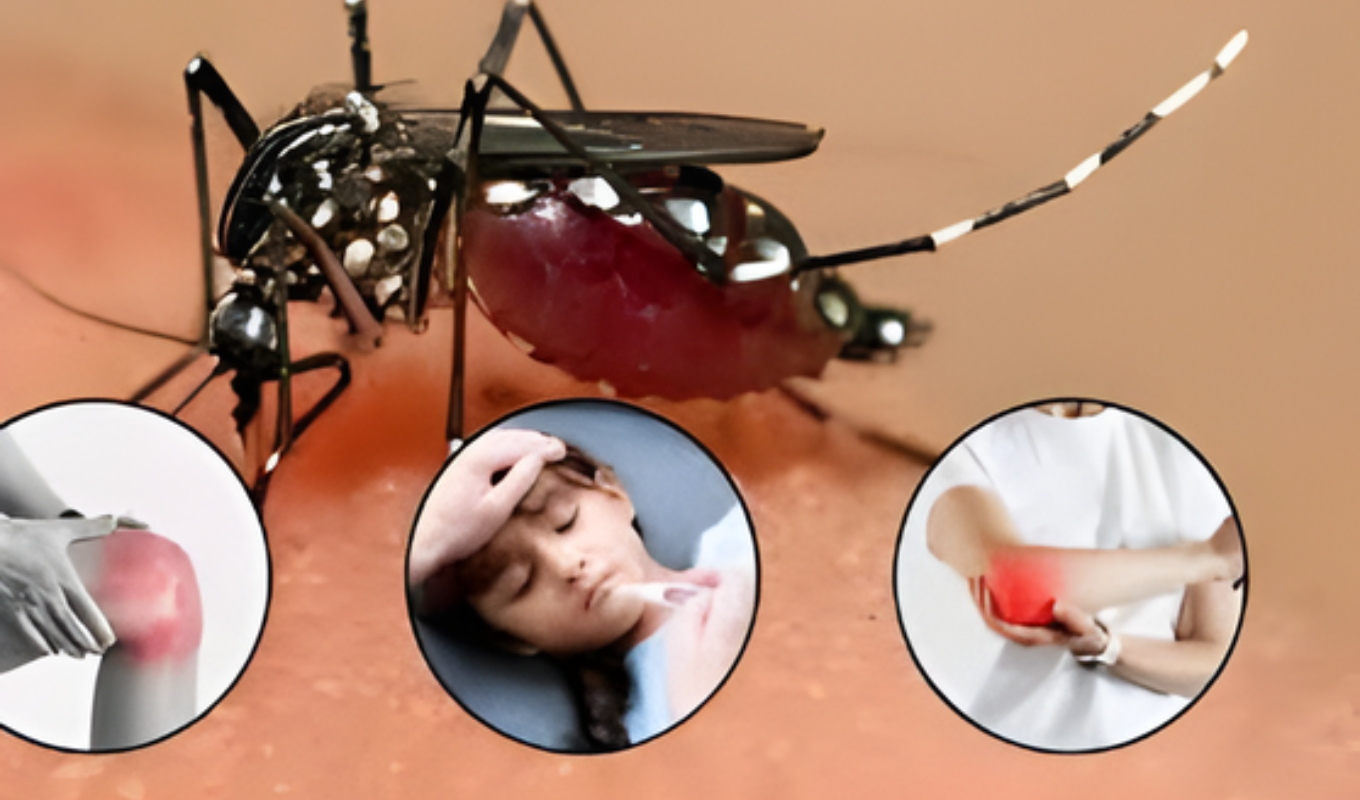
Cuban authorities have confirmed that 21 children are among the 33 people who have died from chikungunya and dengue since July, as the Caribbean nation grapples with mounting public health and economic crises.
The majority of fatalities were caused by chikungunya, a mosquito-borne virus known for inducing high fever, severe joint pain, and debilitating fatigue. Dengue, which produces flu-like symptoms including fever, headaches, and muscle pain, accounted for the remaining 12 deaths, Deputy Health Minister Carilda Peña announced during a broadcast on state television.
Chikungunya was initially detected in the western province of Matanzas in July but has since spread to all 15 provinces of the island, which has a population of approximately 9.7 million people. The simultaneous resurgence of dengue has compounded the strain on an already overstretched healthcare system.
Cuba, historically praised for its robust medical infrastructure, had previously contained a chikungunya outbreak in 2014. Officials attribute the current surge to deteriorating sanitary conditions, accumulated waste, and the widespread necessity of storing water in tanks due to irregular tap water supplies.
The public health crisis unfolds against the backdrop of one of Cuba’s most severe economic downturns in decades. Chronic shortages of clean water, food, fuel, and essential medicines have left families vulnerable. Compounding the situation, US sanctions and the collapse of the tourism industry following the Covid-19 pandemic have caused a sharp decline in foreign currency reserves, severely affecting preventative health measures such as mosquito fumigation campaigns.
The Cuban Ministry of Health provided a breakdown of the fatalities reported since July:
| Disease | Total Deaths | Children Affected | Notes |
|---|---|---|---|
| Chikungunya | 21 | 10 | Causes high fever, joint pain, fatigue |
| Dengue | 12 | 11 | Flu-like symptoms, sometimes severe |
| Total | 33 | 21 | Combined impact of both outbreaks |
Experts warn that without immediate improvements in sanitation and vector control, further increases in infections and fatalities are likely. Health authorities continue to urge the population to eliminate standing water, maintain hygiene, and seek early medical attention if symptoms develop.
Cuba’s current crisis underscores the intersection of economic hardship and public health vulnerabilities, highlighting the challenges faced by countries attempting to manage infectious disease outbreaks amid broader social and financial instability.