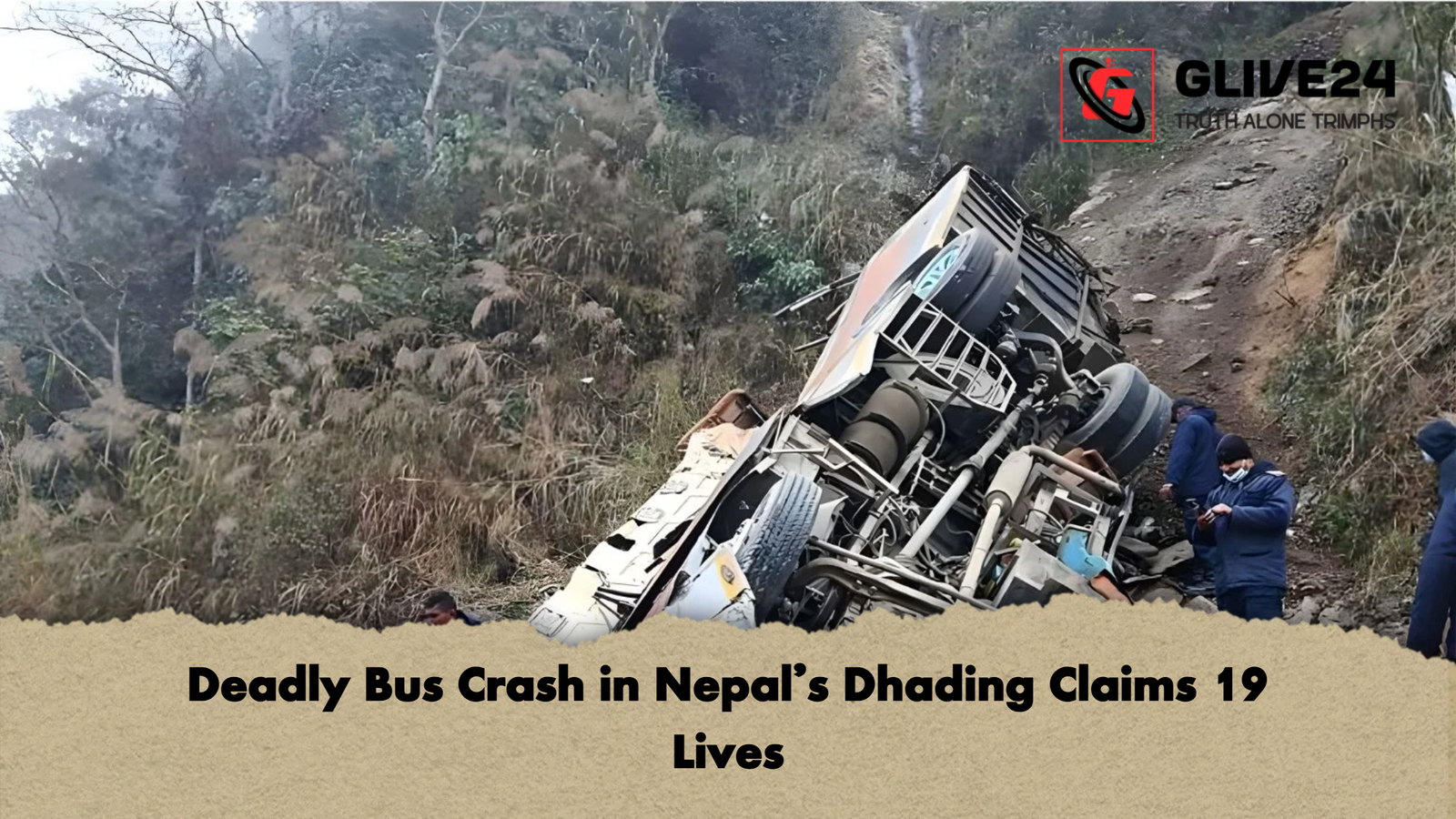
At least 19 people have perished in a tragic bus accident in Nepal’s Dhading district, including a 24-year-old British national. Authorities report that 25 others sustained injuries, among them a Chinese and a New Zealand citizen.
The incident occurred early on Monday morning when a tourist bus travelling from Pokhara to Kathmandu lost control and plummeted approximately 200 metres down the steep bank of the Trishuli River. Spokesperson for the local police, Abhinav Narayan Kafle, confirmed that 17 passengers died instantly at the scene, while two more succumbed to their injuries in hospital.
So far, nine of the deceased have been identified. The injured were swiftly transferred to hospitals in Kathmandu, where they are receiving treatment. The cause of the accident remains under investigation.
Road accidents in Nepal, particularly in mountainous regions, are comparatively common due to narrow, poorly maintained roads and treacherous terrain. In 2024, a similar incident on the route from Pokhara to Kathmandu in Tanahun district, where a bus fell into the Marsyangdi River, resulted in at least 14 fatalities.
The table below summarises the current known details of the Dhading bus accident:
| Incident Detail | Number / Description |
|---|---|
| Total passengers (including driver) | 44 |
| Fatalities | 19 |
| British national among deceased | 1 (24 years old) |
| Injured | 25 |
| Chinese national among injured | 1 |
| New Zealand national among injured | 1 |
| Accident location | Dhading district, Trishuli River bank |
| Bus original route | Pokhara → Kathmandu |
| Fall distance from riverbank | 200 metres |
The Nepalese government and local authorities are actively investigating the circumstances of the crash. The tragedy has reignited calls for improved road safety management, stricter regulation of tourist buses, and enhanced vehicle maintenance protocols.
Experts warn that mountainous roads, combined with inexperienced drivers and insufficient road safety measures, significantly increase the risk of such accidents. This incident serves as an international warning regarding road safety in Nepal’s tourist regions, highlighting the urgent need for robust emergency response protocols and proper infrastructure maintenance.
Authorities stress that implementing comprehensive safety measures along popular tourist routes is crucial to prevent similar disasters in the future, safeguarding both local commuters and international visitors.