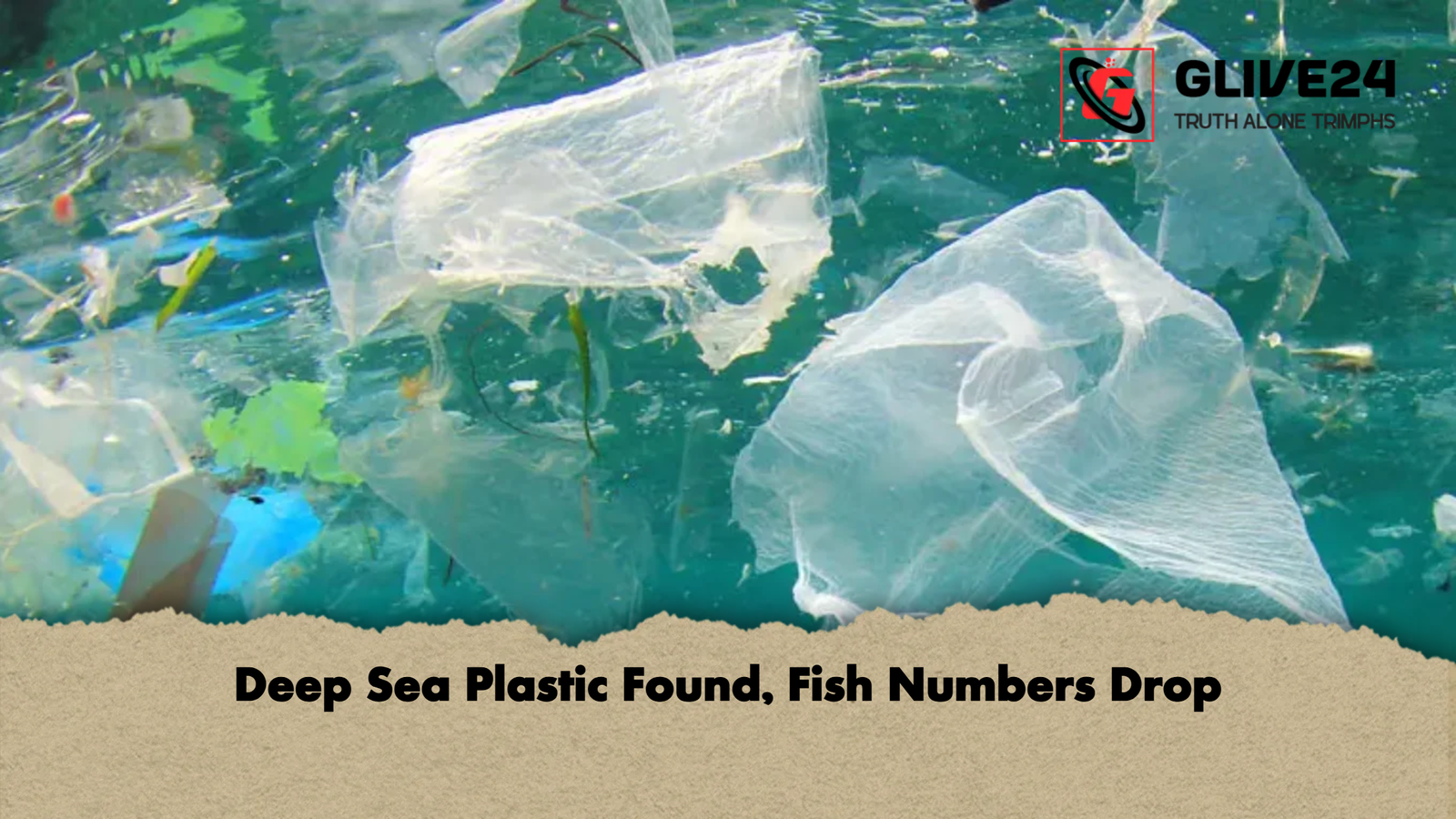
The Bay of Bengal is witnessing a worrying ecological shift. Recent joint national and international surveys reveal a marked decline in fish populations, accompanied by a substantial rise in jellyfish. The study also confirmed the alarming presence of plastic pollution at depths of two kilometres below the ocean surface.
However, researchers discovered 65 previously unrecorded aquatic species, highlighting the region’s hidden biodiversity.
On Tuesday morning, the survey and research findings were officially presented at the State Guest House, Jamuna. Attendees included Fisheries and Livestock Adviser Farida Akhter, Special Envoy for International Affairs Lutfu Siddiqui, Professor Syedur Rahman Chowdhury from Chittagong University’s Institute of Marine Sciences, and Assistant Director of the Department of Fisheries, Dr Md Abdullah Al Mamun.
The research, conducted from 21 August to 21 September last year aboard the R.V. Dr. Fritz J. Hansen, involved 25 scientists from eight countries, 13 of whom were Bangladeshi. Professor Chowdhury explained,
“The dominance of jellyfish in Bangladesh’s deep waters has risen excessively, signalling ecosystem imbalance. Overfishing is a major contributing factor.”
He also expressed grave concern over plastic pollution detected at two-kilometre depths. Comparisons with the 2018 report show a continued decline in large fish across both shallow and deep regions of the Bay of Bengal.
The study raised additional concerns regarding ‘golden fishing’, with the Fisheries Adviser warning,
“Targeted extraction at this scale could leave the Bay of Bengal devoid of fish. The government will consider policy action on golden fishing.”
The survey highlighted the prevalence of tuna in deep-sea fishing and identified a fishing nursery beneath the Sundarbans. Speaking at the meeting, Chief Adviser Dr Muhammad Yunus said,
“Our land area is matched by an equivalent marine territory, yet we have failed to utilise these resources effectively. Without research and policy support, the full economic potential of these waters cannot be realised.”
It was also announced that the UK’s Royal Navy hydrographic and oceanographic survey vessel HMS Enterprise is being transferred to the Bangladesh Navy. The vessel will collect comprehensive data on seabed topography, water depth, and marine resources. Dr Yunus emphasised international collaboration with Japan, Indonesia, and the Maldives to identify and address key maritime challenges, stating that expert-led research coordination could open new economic horizons.
Key Findings of the Bay of Bengal Survey :
| Parameter | Observation |
|---|---|
| Survey period | 21 August – 21 September, 2025 |
| Participating scientists | 25 (Bangladesh: 13) |
| Jellyfish trend | Significant increase in deep waters |
| Fish population trend | Decline in both shallow and deep waters |
| Plastic pollution depth | 2,000 metres |
| Newly identified species | 65 aquatic species |
| Notable observations | Deep-sea tuna prevalence; Sundarbans fish nursery; potential risk from golden fishing |
The findings underscore the urgent need for sustainable management of marine resources, combining scientific research, policy measures, and international cooperation to preserve biodiversity and secure the livelihoods of coastal communities.