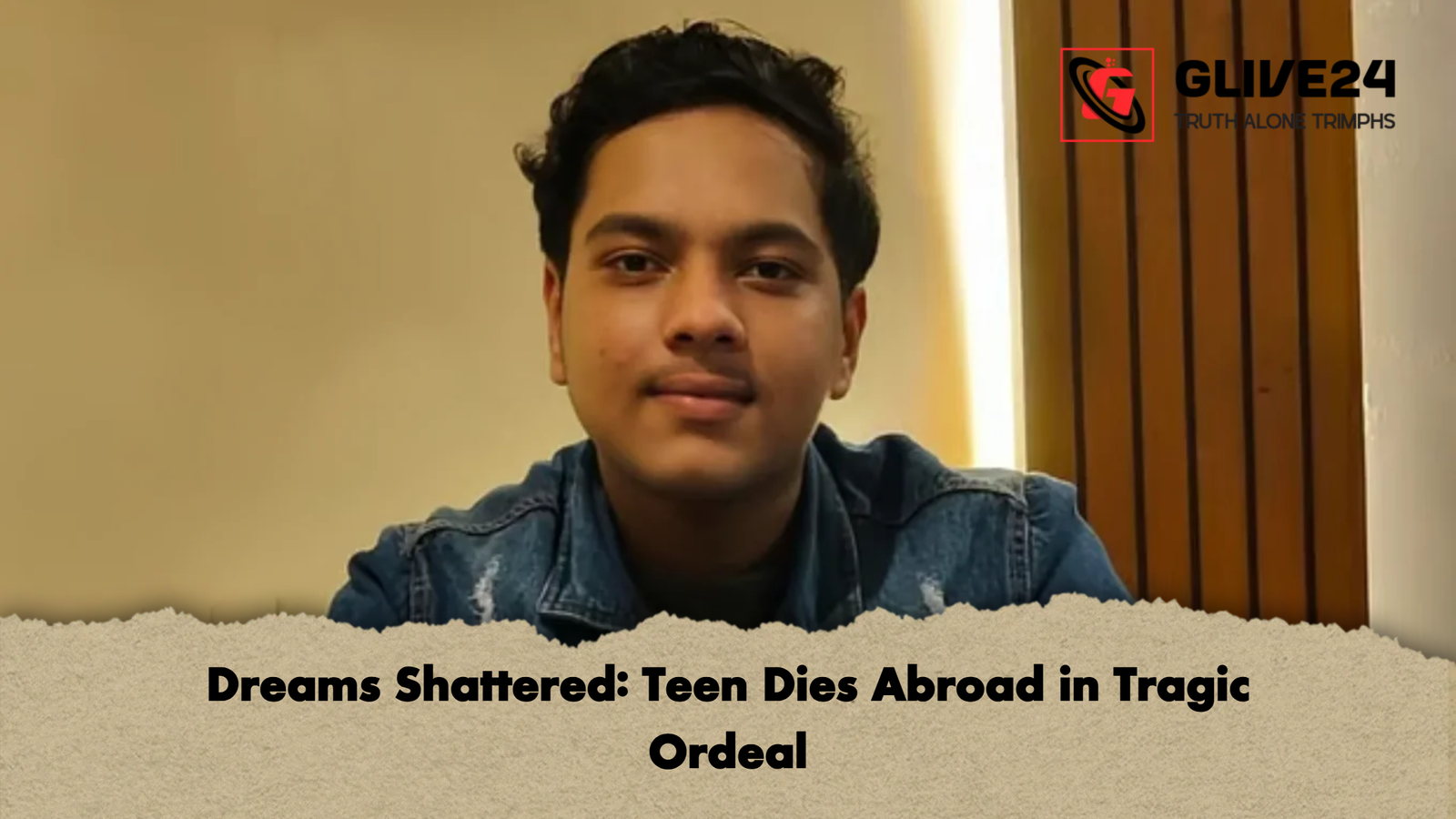
Eighteen-year-old Mohammad Fahad’s journey to seek employment abroad ended in heartbreak, leaving his family in Chittagong’s Chandanaiş upazila devastated. Fahad departed Dhaka on 30 January, intending to travel to South Africa via Ethiopia and Zimbabwe. However, the plan, meticulously plotted on paper, never unfolded as expected.
Instead of continuing his air journey from Ethiopia, he was taken by human traffickers through treacherous jungle paths into Zimbabwe, from where he eventually travelled overland to South Africa. On 15 February, Fahad’s father, Nur Mohammad, received news that his son had reached South Africa. That same night, a second call brought devastating confirmation: Fahad had died.
Speaking amid tears and clutching his son’s photograph, Nur Mohammad, 45, said, “My son went in search of a job, but he returned as a lifeless body. They tortured him to death. Where can I find my son now?” The young man’s body was returned to Bangladesh and was buried in his native village on Thursday afternoon, following a funeral prayer at the local mosque attended by hundreds of villagers.
The family believes Fahad’s death was caused by the hardships of the journey, including hunger, illness, and lack of medical care. They had provided him with $200 and ample dry food for his travels, but these were seized by traffickers in the jungle, forcing him to endure extreme suffering.
Summary of Fahad’s Journey
| Date | Location | Mode of Travel | Remarks |
|---|---|---|---|
| 30 Jan | Dhaka → Ethiopia | Flight | Initial planned journey begins |
| 30 Jan–Feb | Ethiopia → Zimbabwe | Jungle route | Traffickers divert him from flight |
| Feb 15 | Zimbabwe → South Africa | Overland travel | Reaches South Africa physically |
| Feb 15 | South Africa | — | Death confirmed same night |
| Feb 16 | Chittagong, Bangladesh | Air & land | Body repatriated and buried |
Fahad’s repatriation was facilitated by Mohammad Shamim, a businessman in Musina, South Africa. Shamim noticed suspicious activity near the house where Fahad was kept, entered the room, identified the body, and verified the documents before contacting the family. Nur Mohammad expressed deep gratitude: “Without Shamim Bhai, we would not have received my son’s body. The traffickers would have hidden it. I am thankful to everyone who helped us.”
This tragic case highlights the perils faced by young people lured by promises of overseas employment. Despite legal channels, the influence of traffickers continues to place lives at risk. Fahad’s story serves as a grim reminder of the dangers involved in irregular migration and the urgent need for stricter enforcement and community awareness to prevent such losses in the future.
Fahad’s death has left an indelible mark on his family and community, underscoring the human cost of illegal migration and the vulnerability of those driven by hope and economic necessity.