
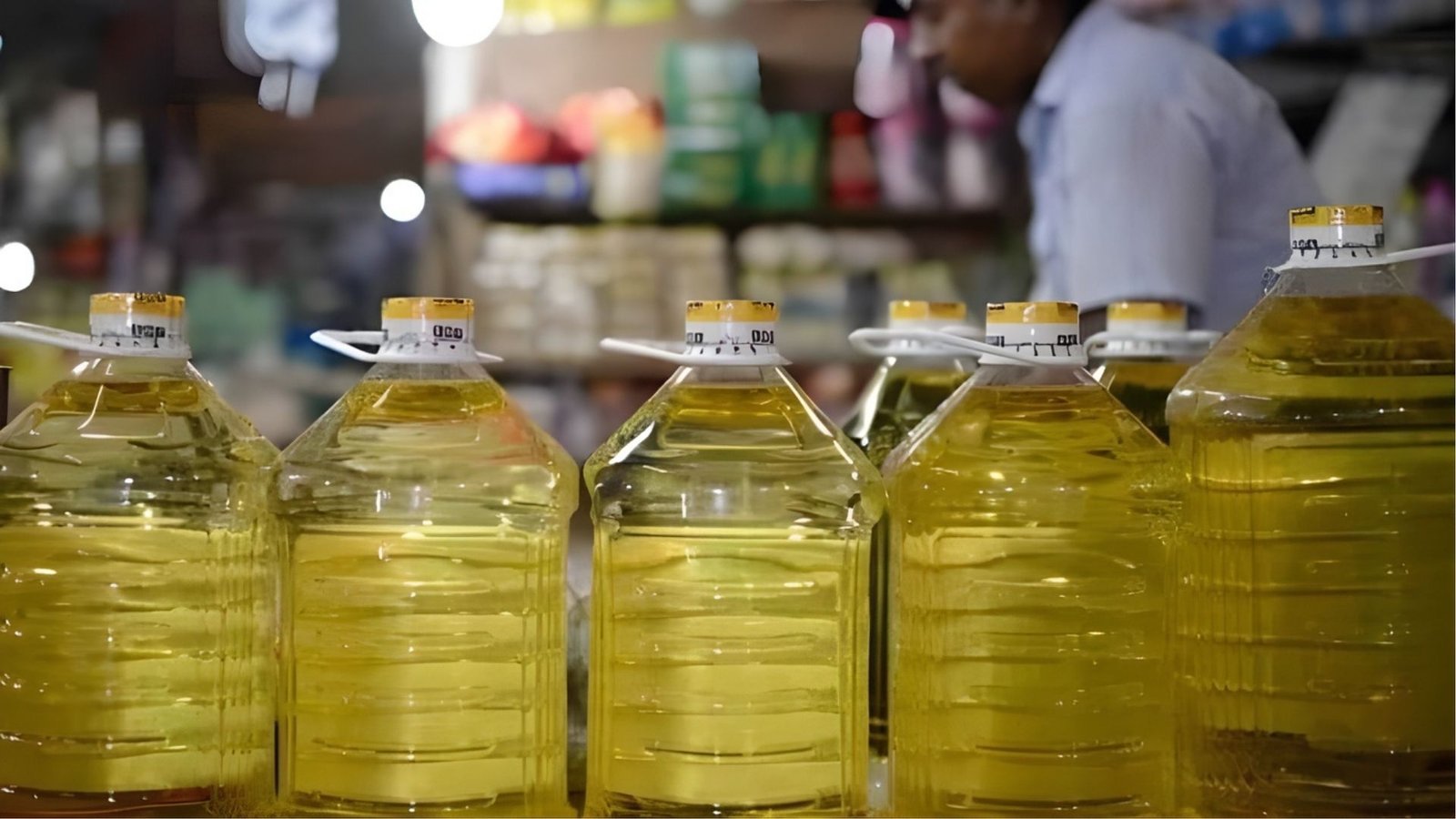
The government has condemned the sudden increase in soybean oil prices imposed by importers and marketing firms without any prior authorisation. Companies raised retail prices by 9 taka per litre overnight, prompting immediate criticism from the Ministry of Commerce, which stated that it had no knowledge of the decision beforehand.
The matter came to light during a press conference at the Ministry on Wednesday (2 December). Trade Adviser Sheikh Bashiruddin revealed that officials had been informed of the price hike only half an hour before the briefing. He argued that the companies had acted collectively and without justification, describing their behaviour as completely unacceptable and in breach of regulatory expectations.
Bashiruddin disclosed that the government had approved the purchase of edible oil for the Trading Corporation of Bangladesh (TCB) at nearly 20 taka less per litre during a procurement committee meeting held just a day earlier. This served as clear evidence, he said, that the current market conditions do not support any increase in consumer prices. He reiterated that the companies had themselves supplied oil to the government at a significantly lower rate, making their decision to raise retail prices all the more unreasonable.
Responding to concerns about alleged government inactivity and the perceived dominance of major business groups, the adviser characterised such remarks as provocative. However, he confirmed that punitive measures would indeed be taken. “We will certainly take action,” he insisted. “Every legal option available to us will be utilised.”
Meanwhile, representatives of the edible oil industry maintain that they are not required to seek approval from the Ministry or the Tariff Commission when revising prices. They claim that decisions on pricing fall within their operational discretion and are influenced by global market trends and import costs.
When asked about this claim, the Commerce Secretary dismissed it outright, stating that the government does not accept the business community’s interpretation. He emphasised that companies dealing in essential commodities have clear responsibilities and cannot bypass established regulatory procedures.
The controversy comes at a time when inflationary pressure is affecting households across the country. The sudden price hike in edible oil has raised concern among consumers already struggling with rising costs of essential goods. With Ramadan approaching, the government is under increasing pressure to ensure market stability, given that the demand for key items such as oil, sugar, lentils and chickpeas typically rises significantly during the holy month.
Despite current concerns, the Trade Adviser expressed confidence that there would be no disruption in the supply of essential goods ahead of Ramadan. He pointed out recent reductions in the prices of sugar, lentils, eggs and several other daily essentials. He further assured that the government would adopt solutions based on practicality and fairness. “We will choose only the logical and justified course of action,” he said. “We will not accept any unreasonable approach.”
As tension escalates between regulators and edible oil companies, the government’s next steps are being closely watched. Legal measures could include fines, investigations, or other sanctions aimed at preventing arbitrary pricing and safeguarding consumer interests. For now, authorities appear determined to demonstrate that sudden, unapproved price increases in essential commodities will not be tolerated.