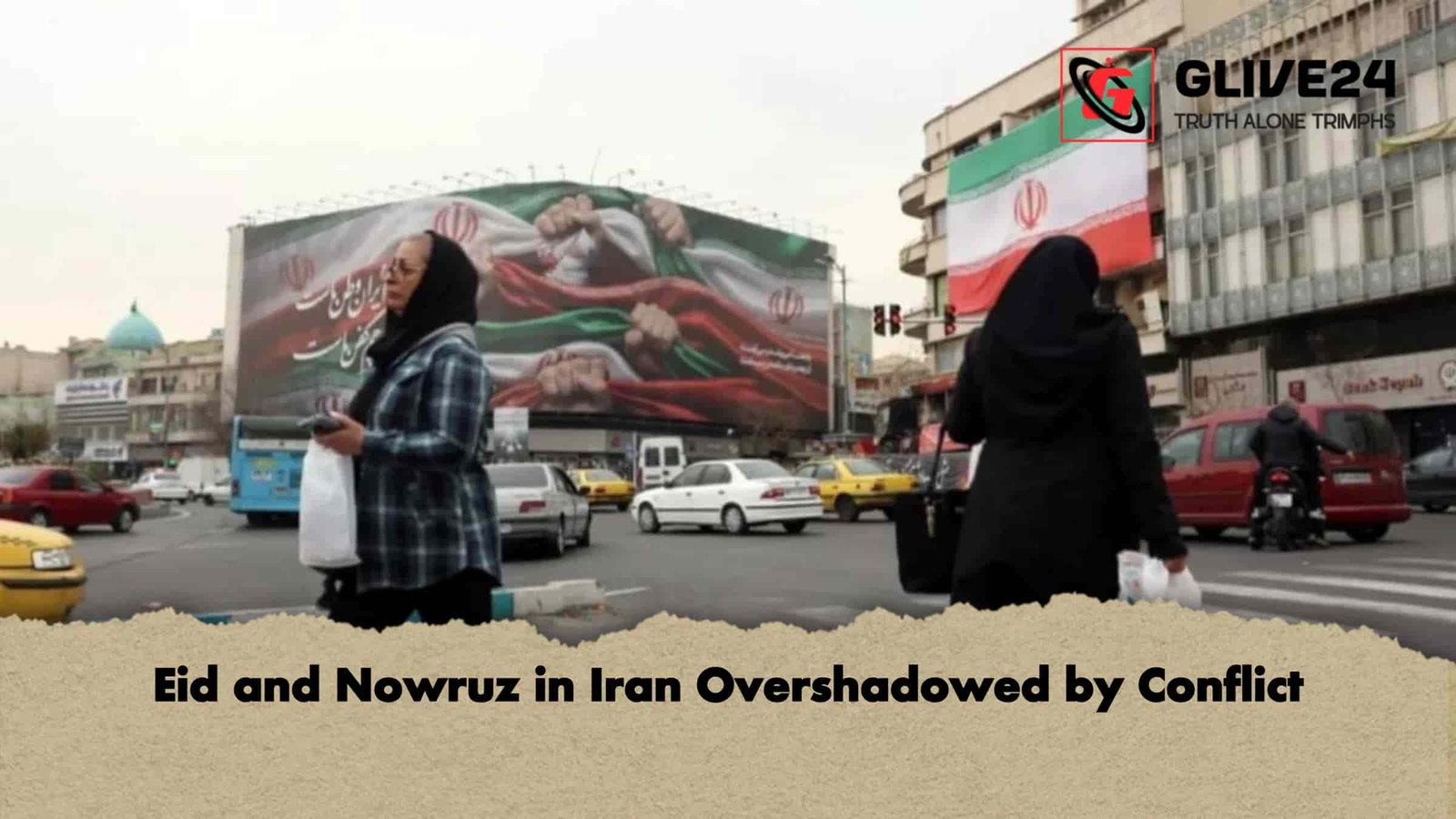
In Iran, the festive spirit of Nowruz and Eid al-Fitr is dimmed by the grim realities of ongoing conflict. Traditionally a period of vibrant celebration and communal joy, this year’s observances are marked by an atmosphere of unease and caution across the country.
On Tuesday, in the lead-up to Nowruz—the Persian New Year—streets that usually fill with families, music, and bonfires remained largely empty. Authorities, wary of potential unrest amid escalating violence, strictly instructed citizens to avoid public gatherings. Even government supporters, who might normally partake in public festivities, refrained from open celebration.
Political divisions within the country are reflected in collective mourning. Opposition groups are still grieving the deaths of thousands of civilians lost during January’s unrest, while government supporters observe mourning for nearly 1,500 soldiers killed in the past 20 days of conflict, as well as for senior leaders assassinated by hostile forces.
In major urban centres such as Tehran’s Tajrish Market, images of deceased children are being displayed publicly, serving as stark reminders of the ongoing human toll. The visual representation of loss has transformed spaces typically associated with festive shopping and socialising into somber arenas of remembrance.
Consequently, this year’s Nowruz and Eid celebrations are largely private affairs. Most citizens are confined to their homes, observing the holidays in subdued, family-focused ways rather than through communal festivities. The traditional sights and sounds of celebration—bonfires, street gatherings, and public performances—are notably absent.
Key Impact of Conflict on Celebrations
| Aspect | Normal Celebration | 2026 Observance | Notes |
|---|---|---|---|
| Public gatherings | Large-scale street events, bonfires, music | Minimal, discouraged by authorities | Security concerns dominate |
| Participation | Citizens and government supporters alike | Mostly private, indoor | Fear of unrest limits mobility |
| Mourning | Not typical during festivals | Widespread across political groups | Includes soldiers, civilians, and leaders |
| Visual symbols | Festive decorations, flowers, markets | Memorials of war victims, images of deceased children | Replaces traditional festive imagery |
| Atmosphere | Joyful, communal, lively | Somber, cautious, reflective | Emphasis on remembrance and safety |
Overall, the combination of national mourning and security concerns has rendered Iran’s Nowruz and Eid celebrations unusually quiet. Instead of vibrant festivities, the nation experiences a period of solemn reflection, with households quietly marking the holidays under the shadow of ongoing conflict.