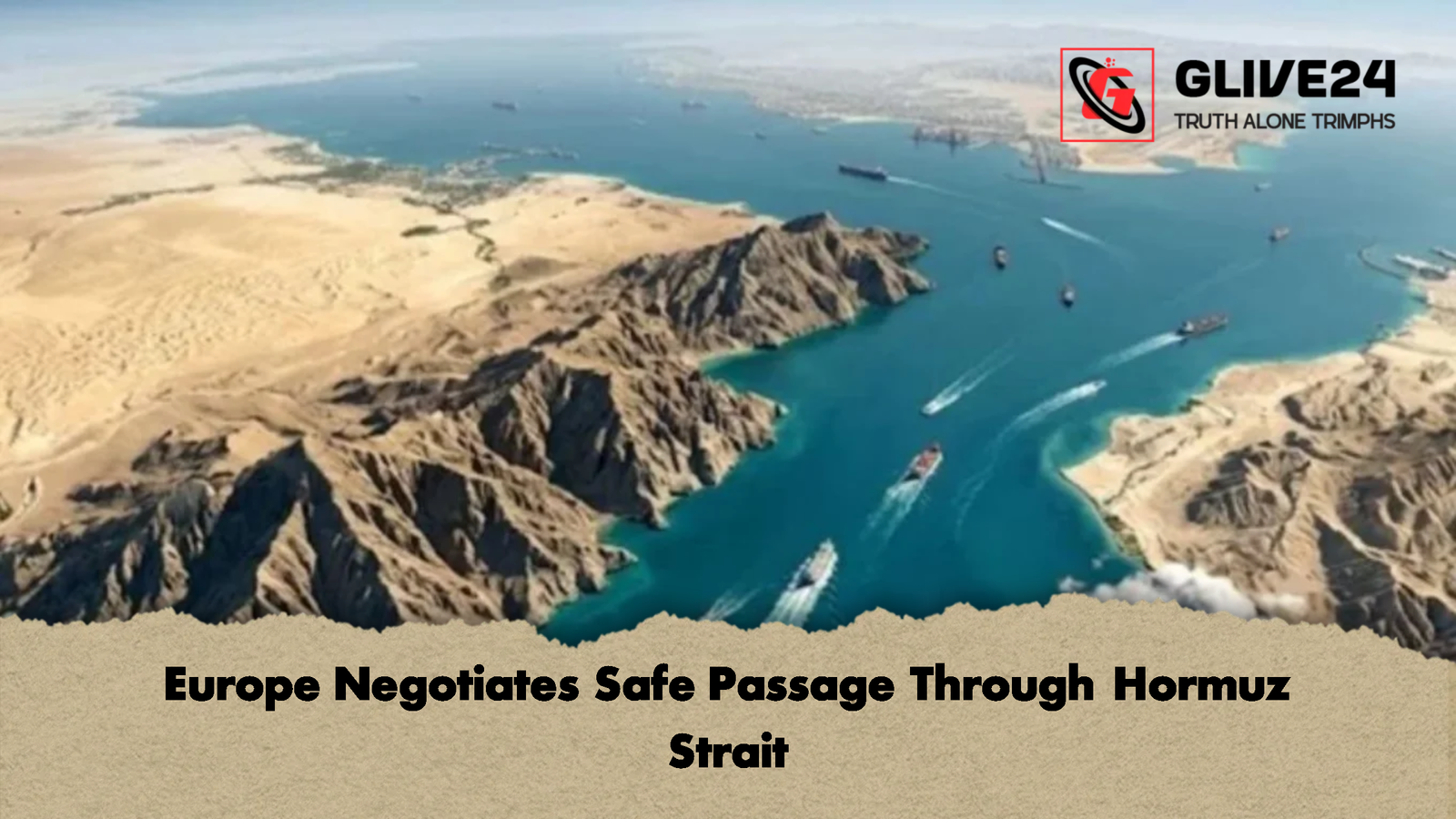
Amid escalating tensions in the Middle East, France and Italy have opened talks with Iran to secure safe transit for oil and gas shipments through the strategically critical Strait of Hormuz. The initiative seeks to maintain uninterrupted energy flows while avoiding direct military involvement in the ongoing conflict, which has already disrupted global oil markets.
Table of Contents
Diplomatic Engagements
According to multiple anonymous sources cited by the Financial Times on Saturday, France and Italy have formally contacted Tehran to explore protective measures for commercial shipping. Three officials familiar with the discussions noted that the objective is to resume energy exports without further escalation, while shipping companies continue to rely on Western naval forces for potential protection.
French President Emmanuel Macron reportedly held a phone conversation with Iranian President Masoud Pezeshkian, stating:
“If the situation stabilises, France may participate in providing security for its vessels navigating the strait.”
Italy’s Defence Minister Guido Crosetto confirmed that European nations are engaging Tehran to secure safe passage for non-belligerent countries’ ships, highlighting the delicate balance between diplomacy and operational security.
Limited Western Involvement
The United Kingdom, while closely monitoring developments, is not engaging directly with Iran. British Foreign Secretary Yvette Cooper, currently in Saudi Arabia, is discussing oil supply issues with Gulf states. European nations have largely criticised U.S.–Israeli military operations but aim to avoid direct confrontation, seeking instead a negotiated solution that maintains energy stability.
Recent developments show Iran’s strategic leverage: the nation has partially restricted passage through Hormuz, pushing global oil prices higher. A small number of vessels—such as a Turkish-owned bulk carrier—have been allowed safe passage, but the corridor remains largely restricted.
Energy Market Pressures
The partial closure of Hormuz and regional instability have pushed crude oil prices from approximately $60 per barrel earlier this year to $100 per barrel, while European natural gas prices have surged by nearly 75%. Prolonged disruption could amplify global energy instability, making European diplomatic engagement increasingly urgent.
| Aspect | Detail | Commentary |
|---|---|---|
| Strategic Location | Strait of Hormuz | Connects Persian Gulf to Gulf of Oman; ~20% of global oil and LNG flows |
| European Diplomacy | France, Italy | Engaging Iran to ensure safe commercial passage |
| UK Position | Indirect engagement | Consults Gulf states; avoids direct negotiations with Iran |
| Naval Deployment | Operation ‘Aspides’ | Italy, France, Greece deploy warships in Red Sea; not patrolling Hormuz |
| Energy Impact | Oil & gas prices | Crude: $100/barrel; European gas: +75% y/y |
Strategic Implications
Europe’s diplomatic effort illustrates a careful balancing act: safeguarding energy supplies without escalating military conflict. While EU forces under Operation Aspides are deployed in the Red Sea, they are not escorting vessels through Hormuz due to heightened risks.
With nearly one-fifth of global oil and LNG exports passing through the strait, ensuring secure navigation is essential for international energy security. France and Italy’s engagement signals Europe’s intent to protect economic stability while avoiding direct involvement in a volatile regional conflict.
Sources: Financial Times, Middle East Eye, EU Defence Reports