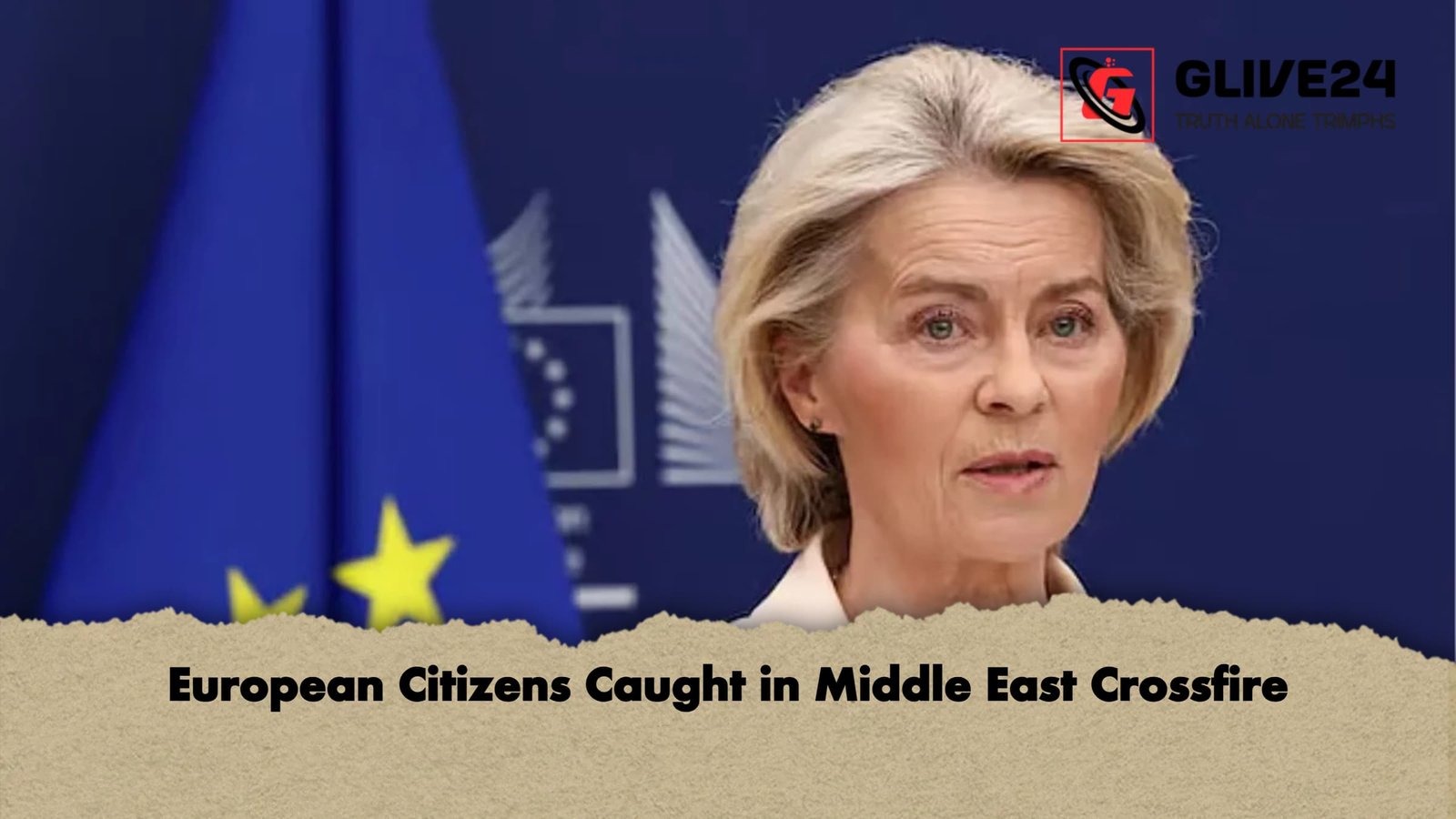
The President of the European Commission, Ursula von der Leyen, has issued a stark warning regarding the escalating geopolitical volatility in the Middle East, specifically highlighting the direct and damaging repercussions for European citizens. Speaking during a high-level assembly with European Union (EU) ambassadors on Monday morning, von der Leyen characterised the ongoing hostilities involving Iran as a regional conflict with “unintended but tangible consequences” that are now manifesting across the continent.
Table of Contents
The Economic Toll on European Households
The Commission President’s remarks come at a precarious moment for the global economy. As the confrontation between regional powers intensifies, the primary “casualty” for those outside the immediate combat zone has been the cost of living. International markets have seen the price of crude oil surge past the psychological threshold of $100 per barrel, a spike that translates directly to higher heating, transport, and manufacturing costs for the average European household.
This sentiment echoes recent cautions from British Prime Minister Sir Keir Starmer, who noted that the longevity of this conflict is inextricably linked to the depth of the global economic downturn. For Europe, which is still recalibrating its energy security following the disruption of gas supplies from the East, this secondary shock to the petroleum market poses a severe structural threat.
Crude Oil Market Volatility (March 2026)
| Metric | Pre-Escalation (Average) | Current Market Rate | Percentage Increase |
| Brent Crude (per barrel) | $78.00 | $104.50 | 33.9% |
| WTI Crude (per barrel) | $74.00 | $101.20 | 36.7% |
| Average EU Petrol Price | €1.65 / Litre | €2.10 / Litre | 27.2% |
| Global Shipping Surcharge | Baseline | +15% (Risk Premium) | 15.0% |
Sovereignty and Civil Rights
Beyond the immediate economic fallout, von der Leyen took the opportunity to address the sociopolitical dimension of the crisis. She underscored the EU’s ideological stance, asserting that the Iranian people possess an inherent right to freedom, dignity, and self-determination. “The citizens of Iran deserve to chart their own future,” she stated, subtly distancing the aspirations of the populace from the military manoeuvres of the state.
A Continent Under Pressure
The “negative effects” mentioned by the President are not merely financial. The conflict has heightened security concerns within EU borders and complicated diplomatic efforts to maintain regional stability. As global leaders converge to discuss de-escalation, the focus remains on preventing a full-scale energy crisis that could mirror the stagflation of the 1970s. For now, European citizens remain caught in an unenviable position—geographically removed from the theatre of war, yet financially and politically tethered to its outcome.