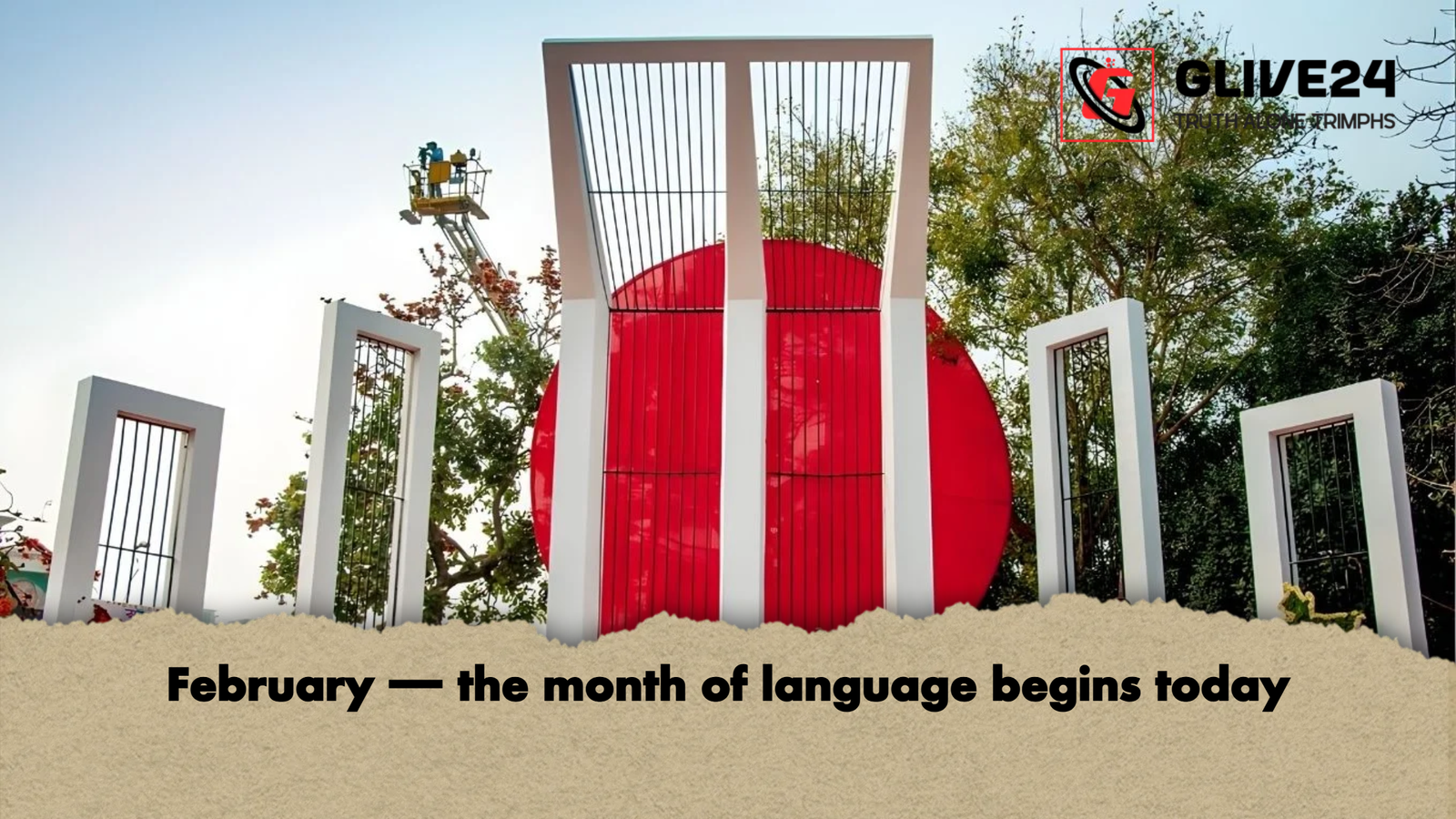
The arrival of February in the Gregorian calendar stirs profound emotions in the hearts of Bengalis, evoking memories of a historic struggle and enduring pride—the Language Movement of 1952. For Bengalis, February is far more than just the second month of the year; it is a period for reflecting on identity, honouring cultural roots, and commemorating the sacrifices made to preserve their mother tongue.
On 21 February 1952, brave students and activists in then East Pakistan laid down their lives demanding the recognition of Bengali as a state language. Streets echoed with passionate slogans, and processions dyed in the vivid red of blood and courage became the defining symbols of a movement that shaped a nation. Today, the Bengali language, born of these struggles, stands not merely as a means of communication but as a treasured emblem of Bangladesh’s national identity and cultural pride.
Seventy-four years later, the significance of 21 February extends well beyond Bangladesh’s borders. The valorous campaign to safeguard the mother tongue has received international recognition, culminating in UNESCO declaring it International Mother Language Day. Every year, the world observes this day as a tribute to linguistic diversity and the universal right to preserve one’s language.
The historical legacy of the Language Movement continues to inspire successive generations. Debates about language evolution and adaptation persist, yet one unchanging truth remains: Bengali is the heartbeat of its people. The rhythm of February reminds Bengalis annually of the courage, resilience, and unity displayed by their forebears in defending a language that is inseparable from their identity.
This ongoing celebration not only honours the fallen heroes of 1952 but also reinforces the continuity of a millennium-long linguistic and cultural heritage. Through schools, public events, literature, and digital platforms, every generation passes on the mantle of Bengali language preservation, ensuring that the spirit of February remains as vibrant and meaningful as ever.
Key Milestones in the Bengali Language Movement:
| Year | Event | Significance |
|---|---|---|
| 1948 | First protests against Urdu as the sole state language | Sparked early movement for Bengali recognition |
| 1952 | 21 February – Student demonstrations and martyrdom | Cemented Bengali as a symbol of cultural identity |
| 1956 | Bengali recognised as a state language of Pakistan | Legal victory for the Language Movement |
| 1999 | UNESCO declares 21 February International Mother Language Day | Global recognition of linguistic rights |
As February returns each year, it brings with it not just the chill of winter but the warmth of remembrance, pride, and cultural reaffirmation. It is a time when Bengalis worldwide pay homage to the sacrifices that safeguarded their language and, by extension, their soul.