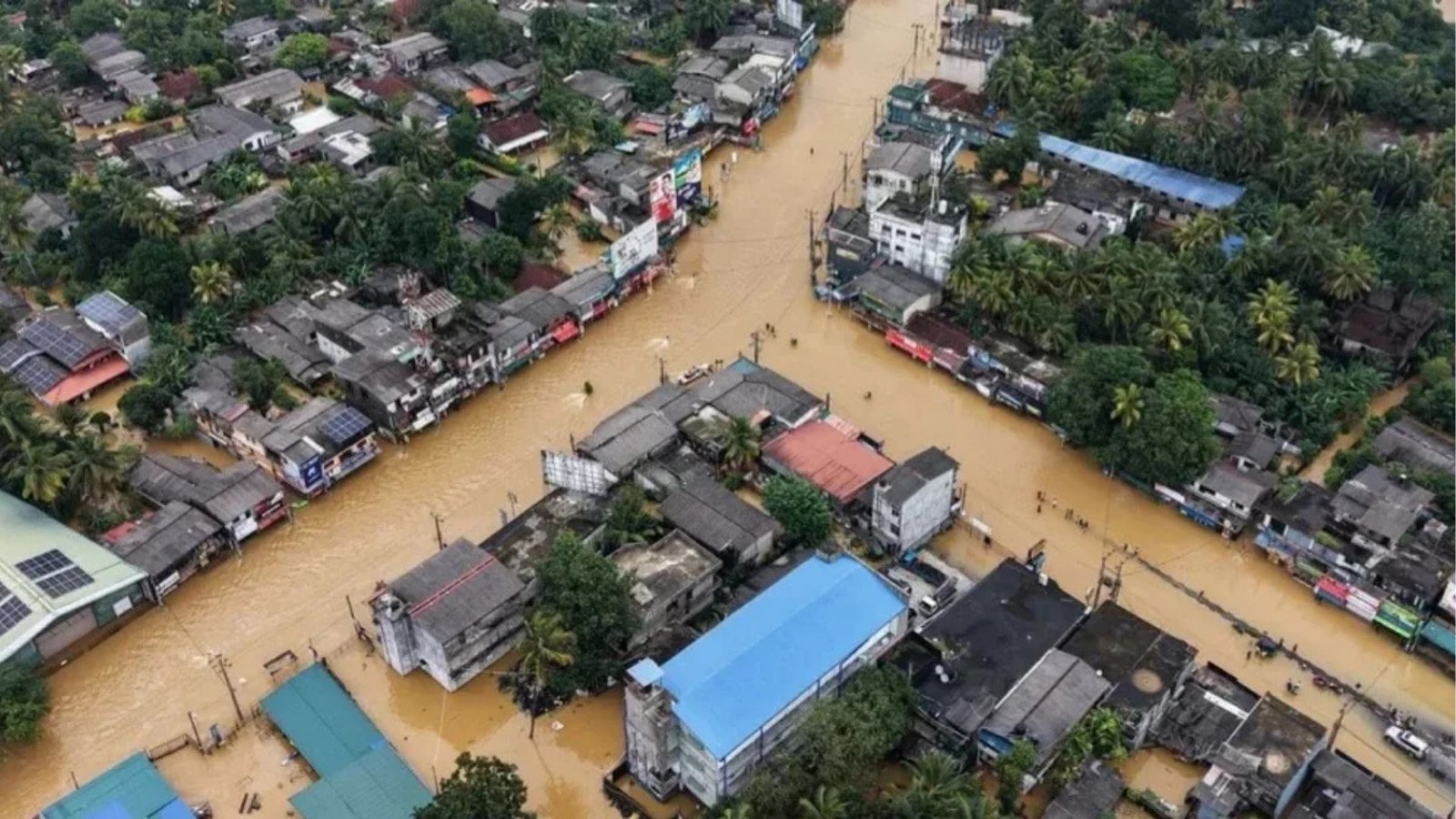
Four countries in Asia are reeling from severe storms, prolonged rainfall, floods, and landslides, with the death toll exceeding 1,140. The disasters, which began on Thursday, have slightly eased in certain areas since Sunday evening, yet rescue and relief efforts remain critical. Officials warn that the number of fatalities could continue to rise as authorities reach remote and heavily affected regions.
Indonesia and Sri Lanka have been the hardest hit, with both nations mobilising military forces to assist in rescue operations, evacuations, and humanitarian aid. Thailand has reported over 100 deaths, while Malaysia has suffered comparatively minor losses, with three fatalities reported in Perlis state.
Meteorologists note that the heavy rains across these nations are caused by distinct regional weather systems. Sri Lanka experienced near-continuous rainfall throughout most of the country, while large areas of Sumatra in Indonesia, southern Thailand, and northern Malaysia received torrential downpours.
In Indonesia, at least 604 deaths have been confirmed, with over 500 people still missing. Despite the disaster’s scale, the government has yet to declare a national emergency. In Sri Lanka, international aid has been requested, and both nations are deploying military helicopters and naval vessels for rescue and relief operations. Indonesian President Prabowo Subianto visited the disaster-hit areas of North Sumatra, expressing cautious optimism that the worst had passed.
The ‘Dituwa’ cyclone has caused severe flooding in Sri Lanka, claiming at least 366 lives and leaving many more unaccounted for. Colombo experienced record flood levels on Sunday night, but water levels have begun to recede, allowing limited reopening of shops and offices. Sri Lankan authorities note that the full scale of damage, particularly in central regions, is still being assessed due to widespread destruction hampering relief work. President Anura Kumara Dissanayake declared a national emergency, describing the disaster as the most significant in the nation’s history and pledging to rebuild stronger than before. The losses are the worst the country has seen since the 2004 tsunami, which killed over 31,000 people and displaced more than one million.
Thailand’s southern provinces have reported at least 176 deaths, marking the most severe flood event in over a decade. Public frustration over government response has led to the dismissal of two local officials.
In Malaysia, heavy rains in the Perlis state have caused widespread flooding, resulting in at least three fatalities.
These calamities underscore the vulnerability of the region to natural disasters and highlight the critical need for improved infrastructure, better disaster preparedness, and coordinated emergency response mechanisms. The scale of the crisis illustrates how climate-induced extreme weather events continue to threaten densely populated areas across Southeast and South Asia.