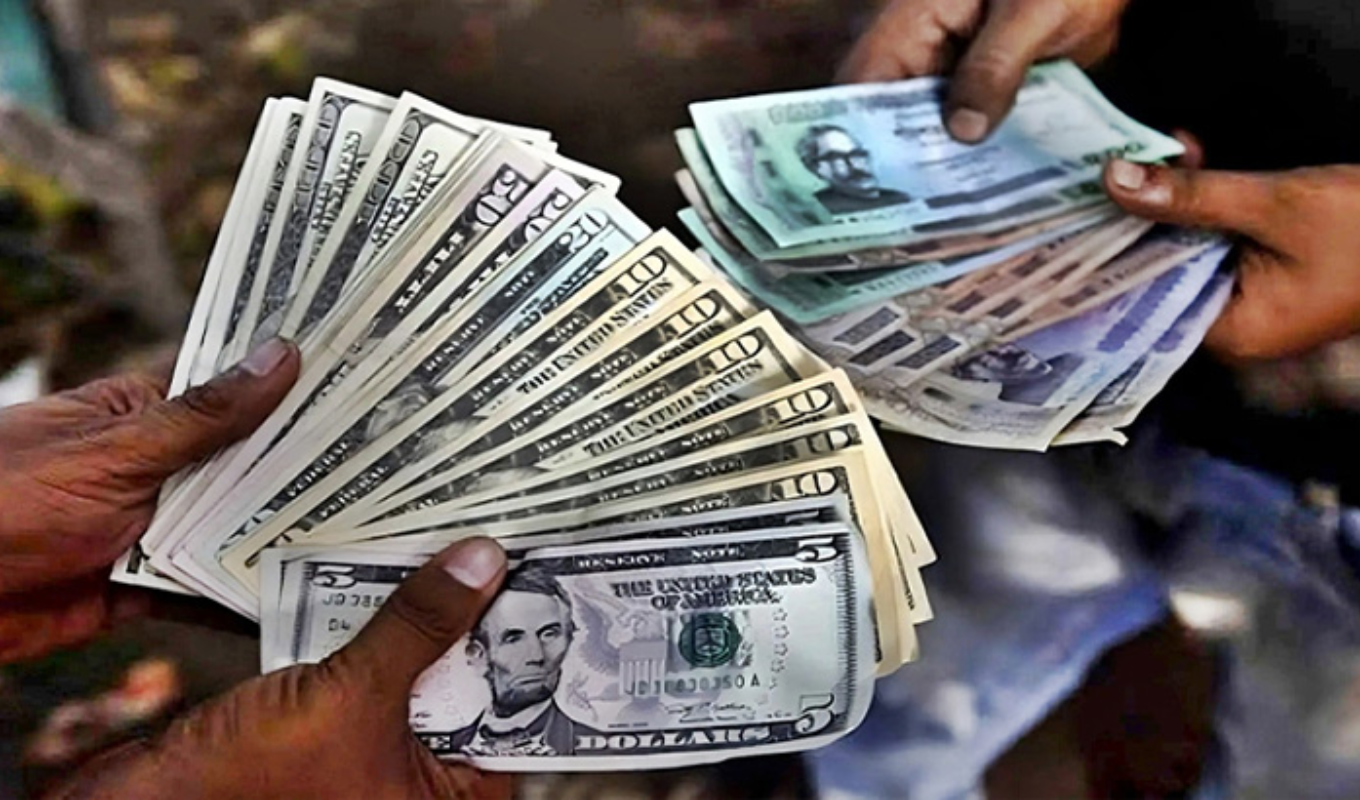
Bangladesh’s currency market began the week with a modest adjustment in the value of the US dollar, following a period of relative calm. On Sunday, the first working day of the week, trading data indicated a slight decline in the dollar’s rate, while other major currencies showed varied performance, reflecting the complex forces influencing the foreign exchange market.
According to Bangladesh Bank, the dollar traded at a maximum of Tk 122.29 and a minimum of Tk 122.25, with the day’s average rate settling at Tk 122.28. This small decline comes after several days during which the dollar’s price remained unchanged, suggesting cautious recalibration rather than a sharp shift in market sentiment.
Since July, the dollar’s exchange rate has fluctuated repeatedly, driven by both domestic and global factors. Rising import costs, evolving foreign exchange regulations, and international economic uncertainty have all contributed to volatility. Although Sunday’s figures indicate slight easing, analysts warn that the market remains sensitive to sudden changes.
Most foreign currencies experienced declines during the day’s trading. The British pound, Indian rupee, Chinese yuan, and Australian dollar all weakened against the taka. In contrast, the euro and Singapore dollar recorded gains, while the Japanese yen’s rate remained unchanged. These movements highlight the interconnected nature of global currency markets and their influence on domestic exchange rates.
A persistent feature of the market is the gap between official exchange rates and open market prices. In practice, foreign currencies are often traded at slightly higher rates than those announced by the central bank. This reflects real-world demand conditions, liquidity constraints, and the cautious stance of currency dealers amid ongoing uncertainty.
The impact of exchange rate movements extends beyond the financial sector. Changes in currency values directly influence the cost of imports, affecting everything from fuel prices to industrial raw materials. As costs rise, businesses may be forced to increase prices, contributing to inflationary pressures that affect households across the country.
Economists stress that maintaining stability in the foreign exchange market is crucial for economic planning and investor confidence. While minor fluctuations are expected, sustained volatility can undermine growth prospects and complicate policy decisions. As such, the central bank’s role in monitoring and managing exchange rate dynamics remains critical.
In the coming weeks, market observers will continue to watch developments closely, as global economic trends and domestic policy measures shape the direction of Bangladesh’s currency market.