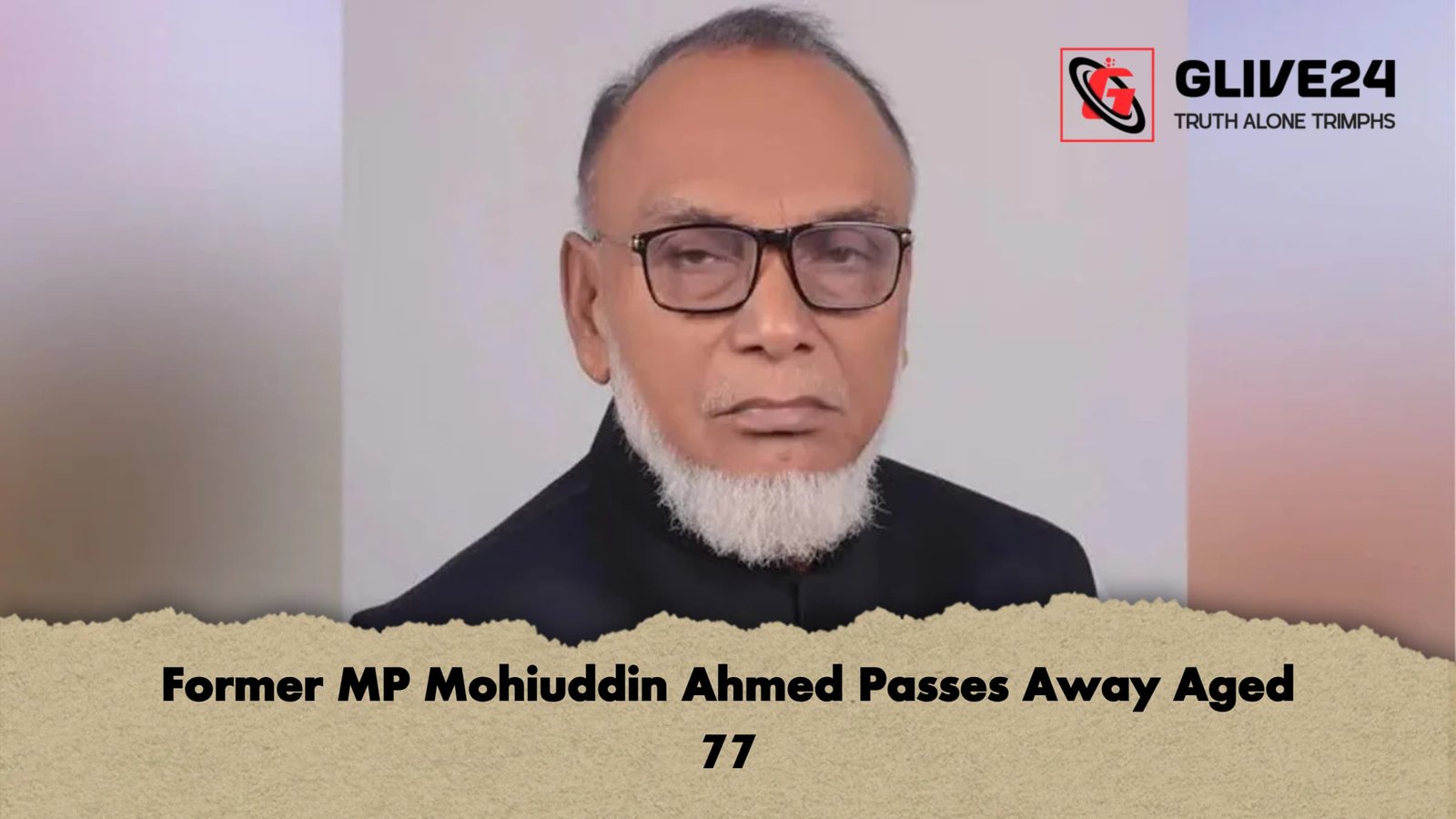
The political landscape of Munshiganj is in mourning following the death of Mohiuddin Ahmed, the former Member of Parliament for the Munshiganj-1 constituency (Sirajdikhan-Sreenagar) and a stalwart of the Bangladesh Awami League. Mr Ahmed breathed his last at approximately 6:30 pm on Tuesday, 10 March, whilst undergoing treatment at a private medical facility in the capital.
Family sources confirmed that the veteran politician, aged 77, succumbed to complications arising from severe pneumonia. Preparations are currently underway for his final rites and burial, which is scheduled to take place at his ancestral home in Kazirbagh village, within the Malkhanagar Union of Sirajdikhan.
A Legacy of Grassroots Governance
Mohiuddin Ahmed was a formidable figure in local government long before ascending to the national stage. His career was defined by an extraordinary level of public mandate at the grassroots level, serving his community for decades across multiple tiers of administration.
| Position Held | Tenure / Frequency | Jurisdiction |
| Union Parishad Chairman | Elected 5 Times | Malkhanagar Union |
| Upazila Parishad Chairman | Elected 3 Times | Sirajdikhan Upazila |
| Member of Parliament | 12th National Election | Munshiganj-1 |
| Party Leadership | Until Death | President, Sirajdikhan Awami League |
War Hero and Political Organiser
Beyond his electoral successes, Mr Ahmed is remembered as a pivotal organiser during the 1971 Liberation War in the Munshiganj district. His contribution to the independence struggle cemented his status as a local hero and laid the foundation for his long-standing presidency of the Sirajdikhan Upazila Awami League.
Final Months and Controversy
The latter stages of his life were marked by significant political upheaval. Following the mass student-led uprising in 2024, which led to the collapse of the Awami League administration, Mr Ahmed reportedly went into hiding. During this period of displacement, several criminal cases were initiated against him. Despite these legal challenges, his supporters maintain that his decades of service to the infrastructure and social fabric of Sirajdikhan remain his primary legacy.
His passing marks the end of an era for the region’s politics, leaving a void in the local party hierarchy that he commanded for so many years.