
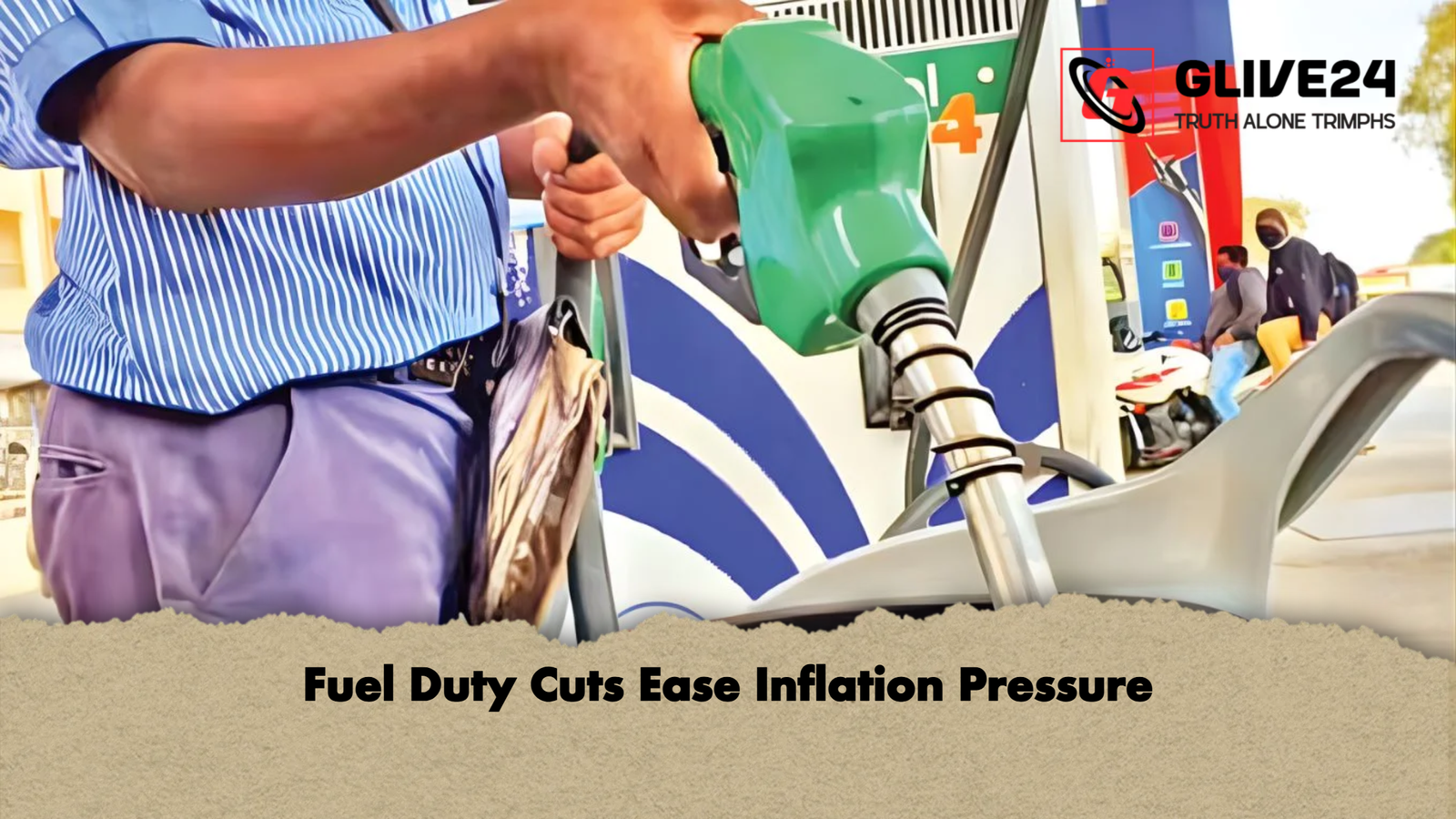
Rising crude oil prices in global markets, coupled with sustained geopolitical tensions in the Middle East, have placed considerable strain on India’s economy. As one of the world’s most import-dependent energy consumers, the country is particularly vulnerable to volatility in oil prices, which directly feeds into domestic inflation. In response, the Indian government has significantly reduced excise duties on petrol and diesel in an effort to stabilise internal fuel prices and ease cost pressures on households and industry.
Under the revised fiscal measures, the excise duty on petrol has been sharply reduced from 13 rupees per litre to 3 rupees per litre. In a more dramatic move, the duty on diesel has been completely abolished, bringing it down to zero. The government stated that these adjustments are intended not only to shield consumers from rising retail fuel prices but also to provide partial relief to state-owned oil marketing companies that have been absorbing substantial losses.
Industry estimates suggest that, amid crude prices breaching the 100 US dollar per barrel mark, Indian fuel retailers have been incurring losses of approximately 24 rupees per litre on petrol and nearly 30 rupees per litre on diesel. The revised tax structure is expected to partially offset these deficits, improving liquidity across the fuel distribution network and preventing further strain on supply chains.
However, the fiscal implications for the government are significant. Economists project that the reduction in excise duties could result in an annual revenue loss of around 1.55 trillion rupees. Despite this, officials have emphasised that containing inflation and protecting consumers from price shocks remain higher priorities, particularly in the current global environment.
At the same time, the government has introduced new export levies on petroleum products to balance domestic supply. A duty of 21.5 rupees per litre has been imposed on diesel exports, while aviation turbine fuel (ATF) exports will now attract a levy of 29.5 rupees per litre. These measures are designed to discourage excessive exports and ensure adequate availability in the domestic market.
Revised Excise Duty Structure
| Category | Previous Duty | New Duty | Change |
|---|---|---|---|
| Petrol (per litre) | ₹13 | ₹3 | Reduced by ₹10 |
| Diesel (per litre) | ₹10 | ₹0 | Fully abolished |
| Diesel exports | Not applicable | ₹21.5/litre | New levy introduced |
| Aviation fuel exports | Not applicable | ₹29.5/litre | New levy introduced |
According to the Ministry of Finance, maintaining price stability for consumers remains the central objective, even at the cost of reduced fiscal revenues. Officials also highlighted that upcoming elections across several states and a union territory have increased the political and economic importance of fuel price stability.
Oil Minister Hardeep Singh Puri noted that global crude volatility has placed significant pressure on domestic refiners and marketing companies, and that the duty adjustments will provide much-needed relief. Finance Minister Nirmala Sitharaman has similarly assured that there will be no disruption in fuel supply and that the government will continue to intervene as necessary to protect consumers from excessive price fluctuations.
India, currently the world’s third-largest importer of crude oil, relies on foreign sources for nearly 90 per cent of its energy requirements. This heavy dependence means that any disruption or price movement in international markets is quickly transmitted to the domestic economy, reinforcing the need for timely policy intervention.