
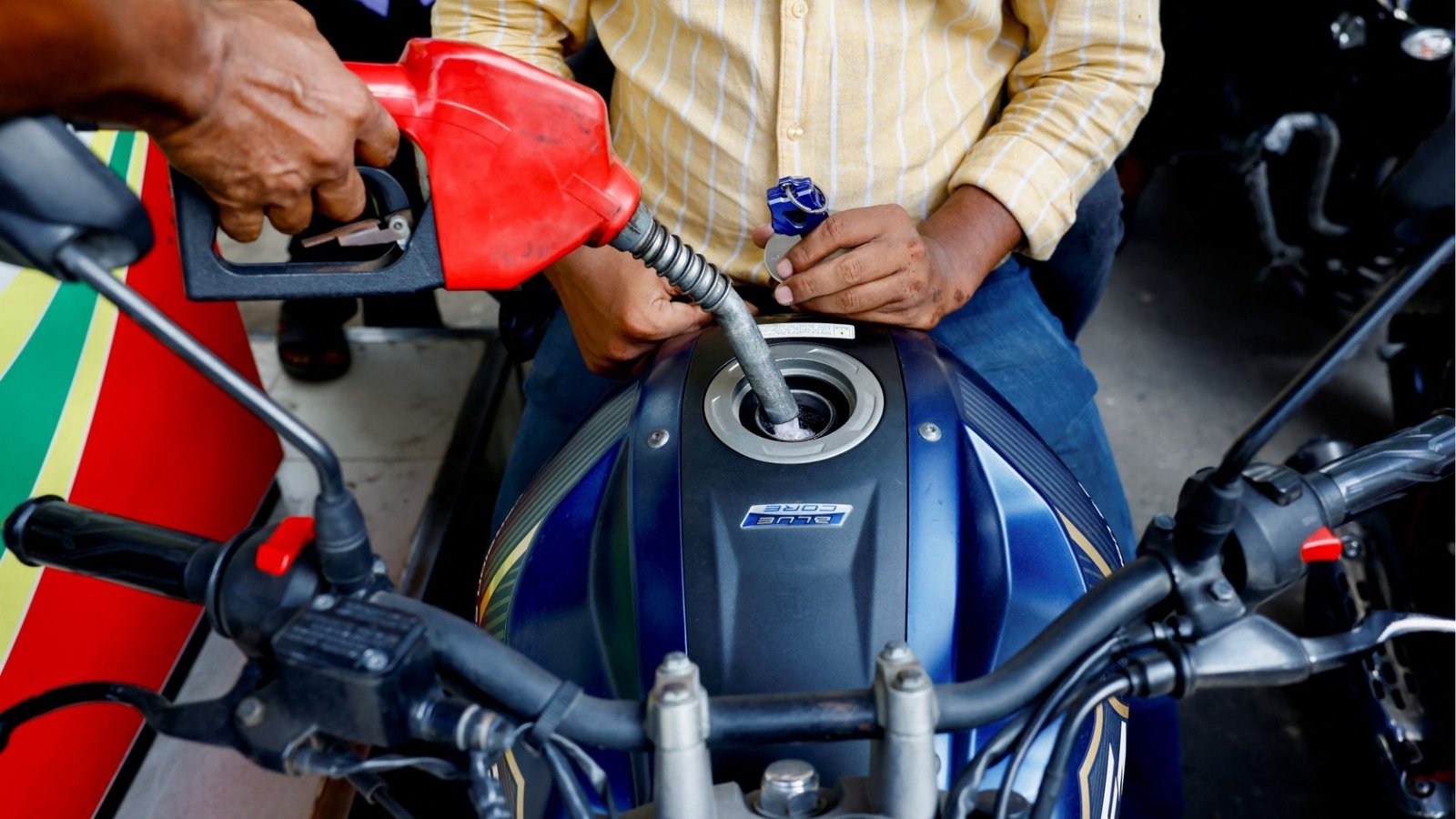
Consumers across Bangladesh will face higher fuel costs this December, as the government has raised the prices of all major petroleum products by two Taka per litre. The Ministry of Power, Energy and Mineral Resources issued a formal notification on Sunday confirming the new rates. Diesel will now cost 104 Taka per litre, petrol 120 Taka, octane 124 Taka, and kerosene 116 Taka per litre, effective from 1 December.
The government has implemented an automatic fuel pricing mechanism since March last year, linking domestic fuel prices with global oil market fluctuations. Each month, this system calculates price adjustments based on international oil rates, exchange rate variations, and local supply costs. The objective is to maintain consistency with global pricing while ensuring the country’s energy security.
Guidelines for automatic pricing, issued on 29 February 2024, clarify that petrol and octane, primarily used in private vehicles, are categorised as relatively luxurious goods compared to diesel, which is widely used for commercial vehicles and industrial purposes. Therefore, petrol and octane prices are deliberately kept higher than diesel.
The responsibility for fuel pricing is divided among different authorities. The Bangladesh Energy Regulatory Commission (BERC) determines aviation fuel prices and is reviewing proposals for furnace oil pricing for power plants. Diesel, kerosene, petrol, and octane remain under the jurisdiction of the Ministry of Power, Energy and Mineral Resources.
Analysts suggest that the monthly price increases, though modest, have tangible effects on everyday life. For private vehicle owners, logistics operators, and small businesses, even a 2 Taka per litre rise translates into higher daily expenses. Increased fuel costs also affect public transportation, supply chains, and the price of goods and services, potentially placing additional pressure on household budgets.
Government officials maintain that automatic pricing is designed to provide transparency and stability, preventing artificial shortages or market manipulation. By aligning domestic prices with international trends, the authorities aim to ensure the continuous availability of fuel products without sudden market disruptions.
While the price rise reflects global market conditions rather than domestic policy changes, it will influence transportation costs and the overall cost of living. For households and businesses, this increase serves as a reminder of the broader economic forces impacting daily expenses, highlighting the delicate balance between international oil markets, national energy policy, and consumer affordability.