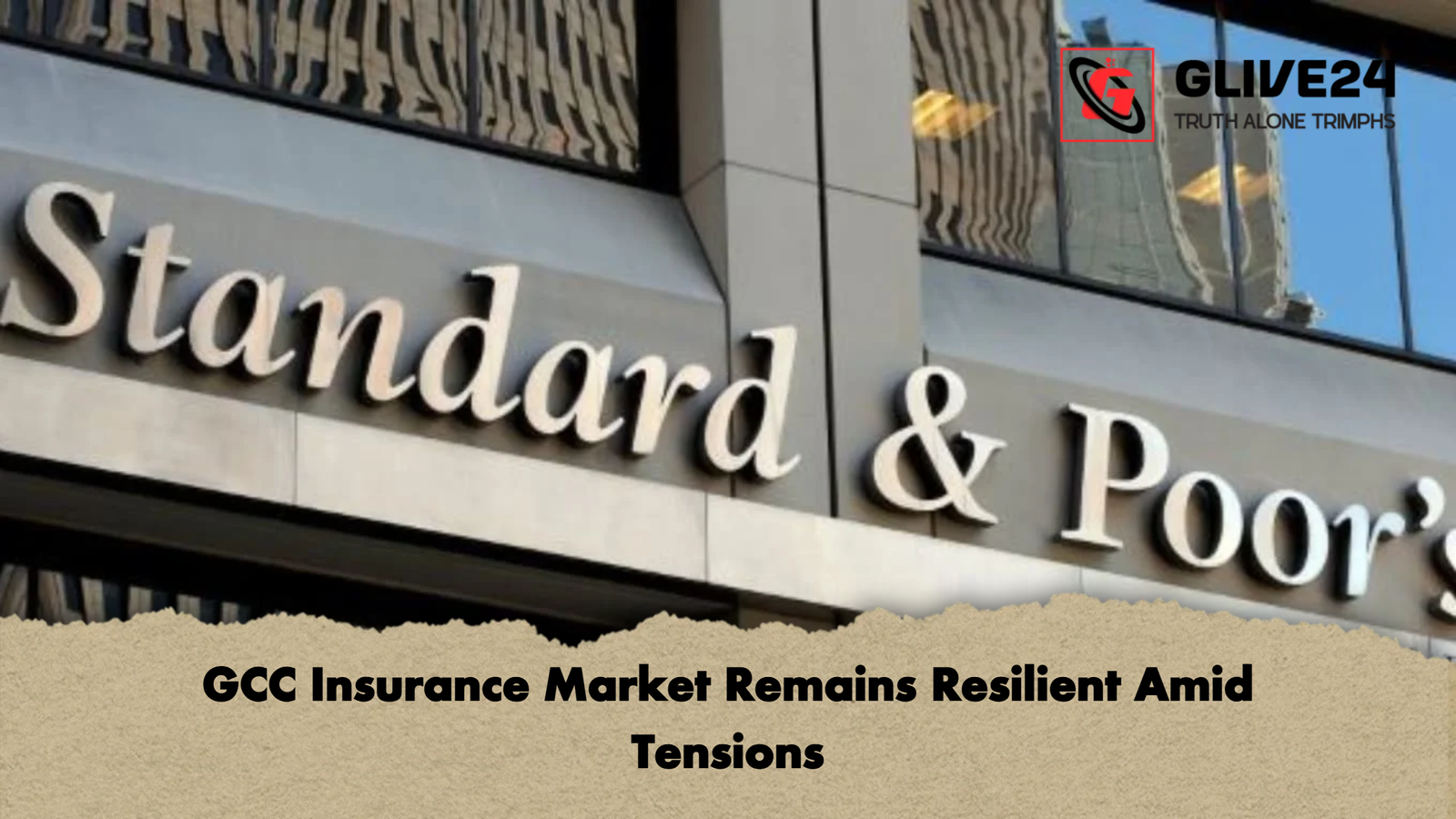
The insurance sector across the Gulf Cooperation Council (GCC) region is projected to maintain a stable outlook over the short to medium term, despite ongoing geopolitical tensions, according to a recent report by Standard & Poor’s (S&P). The assessment highlights that the market’s fundamentals remain robust, enabling insurers to navigate an environment of uncertainty with relative confidence.
S&P notes that the resilience of GCC insurers is supported by several key factors: strong capitalisation, solid profitability, and improving revenue trends. These attributes equip insurance companies to withstand potential shocks arising from geopolitical conflicts or economic volatility.
Currently, the direct impact of the regional conflicts on the insurance sector remains limited. Instead, any emerging pressures are more closely linked to fluctuations in financial markets and the performance of insurers’ investment portfolios. As a result, the sector has so far avoided major disruptions, demonstrating its capacity to manage risk effectively.
Nevertheless, S&P warns that long-term risks remain. An escalation in geopolitical tensions could adversely affect regional economic growth, potentially exerting downward pressure on insurers’ credit ratings. Analysts stress that while short-term stability is evident, companies must remain vigilant and continue strengthening risk management strategies.
The GCC insurance market exhibits a combination of financial robustness and strategic preparedness. A summary of the sector’s key strengths and potential risks is provided below:
| Category | Key Highlights | Implications |
|---|---|---|
| Capitalisation | High levels of equity and reserves | Enhanced ability to absorb shocks |
| Profitability | Consistently strong underwriting and investment returns | Maintains investor confidence |
| Revenue Trends | Gradual but steady growth across segments | Supports long-term stability |
| Market Risk | Exposure to financial market volatility | May affect investment income |
| Geopolitical Risk | Ongoing regional conflicts | Could pressure economic growth and credit ratings |
Industry observers note that the sector’s solid fundamentals provide a buffer against short-term volatility, but stress the importance of continued vigilance. Diversification of investment portfolios and robust risk management practices remain critical to safeguarding both profitability and solvency in the event of prolonged geopolitical instability.
In conclusion, while the GCC insurance market demonstrates resilience and a stable outlook in the near term, long-term uncertainties linked to regional conflicts and economic fluctuations necessitate cautious optimism. Stakeholders are advised to monitor geopolitical developments closely and ensure strategies are in place to mitigate potential financial and operational risks.
The overall picture suggests a sector that is fundamentally strong but not immune to external pressures, highlighting the importance of proactive management and strategic foresight in maintaining stability.