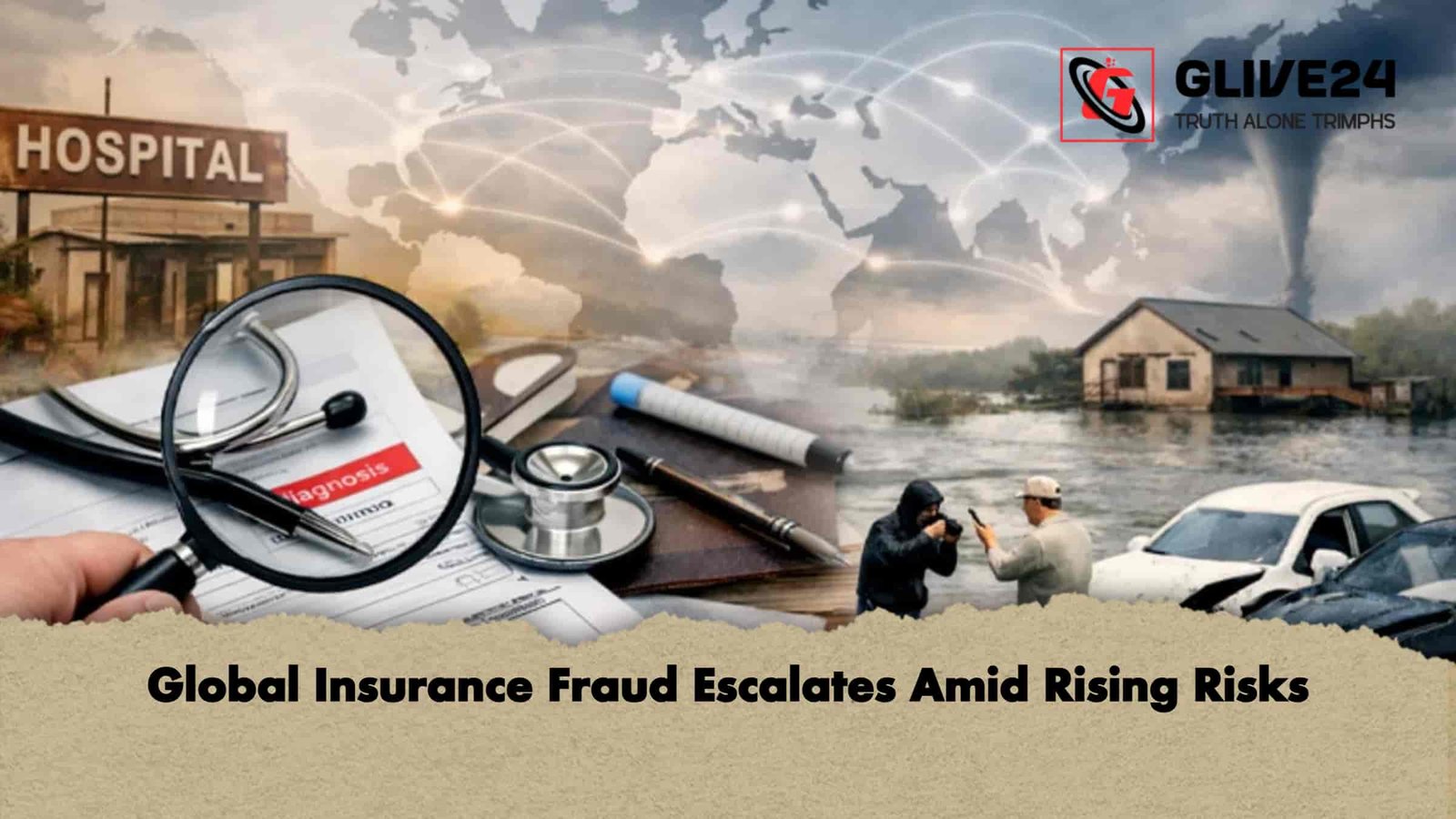
Insurance fraud is becoming an increasingly sophisticated and globalised problem, with methods differing across regions but sharing a common thread: fraudsters are exploiting gaps in regulation, economic pressures, and natural disasters to maximise illicit gains. Experts warn that fraud is evolving faster than ever, often spanning multiple countries and jurisdictions.
In many cases, claimants rely on foreign documents or data to support their claims, creating verification challenges. In parts of Africa, for instance, hospital records frequently require on-site inspection due to the absence of centralised digital databases. This not only delays claim processing but also increases administrative costs, providing an opportunity for fraudulent actors to manipulate the system.
Common forms of insurance fraud worldwide include staged deaths or illnesses, exaggerated damage claims, falsified documents, and health-related manipulations linked to life insurance policies. However, the type and prevalence of fraud differ depending on social norms, economic conditions, and regulatory frameworks in each region.
Environmental factors are also intensifying risks for insurers. Increasingly severe natural disasters, driven by climate change, are prompting many companies to re-evaluate reinsurance strategies. Assessing risk and detecting fraud in such volatile regions has become more difficult, sometimes undermining the profitability of insurance operations.
In Australia, particularly in cyclone- and flood-prone areas, insurers have faced a surge in claims. North Queensland provides a stark example, where some companies have withdrawn entirely, leaving gaps in coverage and creating new risks for residents. Rising claim volumes have also forced remaining insurers to increase premiums.
Lack of insurance coverage often pushes individuals towards dishonest practices. Some exaggerate real losses, others fabricate incidents entirely, and organised networks occasionally stage accidents to secure payouts.
Mexico illustrates a different set of challenges. The country’s large informal economy and public scepticism towards authorities foster social tolerance for insurance fraud. Weak enforcement and judicial inefficiencies mean many perpetrators avoid serious punishment, reinforcing fraudulent behaviour. Economic pressures, such as high unemployment and inflation, further incentivise exaggerated or staged claims.
The Mexican Association of Insurance Institutions (AMIS) reports that approximately 30% of insurance fraud in the country involves staged traffic accidents, locally known as montachokes. Fraudsters often orchestrate minor collisions, sudden braking incidents, or coordinate with pedestrians or motorcyclists to claim cash settlements. Incidents have risen by nearly 15% in high-traffic areas, particularly Mexico City, State of Mexico, Jalisco, and Nuevo León.
Experts stress that combating insurance fraud requires constant adaptation. Insurers are encouraged to strengthen employee training, invest in real-time data analysis, artificial intelligence, and predictive modelling, and collaborate with third-party investigative firms. International agencies, such as Pinkerton, assist by verifying incidents on the ground, reducing exposure to fraudulent documentation and deceitful claims.
A combination of technological innovation, global collaboration, and robust investigative capacity is critical to mitigate the escalating threat of insurance fraud.
Regional Overview of Insurance Fraud
| Region | Predominant Fraud Type | Main Drivers | Key Challenges |
|---|---|---|---|
| Africa | Forged medical documents, false claims | Limited digital infrastructure, remoteness | High verification costs and time delays |
| Australia | Disaster-related claim exaggeration | Climate change, floods, cyclones | Rising premiums, coverage withdrawals |
| Mexico | Staged road accidents (montachokes) | Informal economy, weak enforcement | Social tolerance, judicial inefficiency |
| Global / General | Life and health insurance fraud | Economic pressures, cross-border fraud | Rapid, sophisticated, transnational methods |