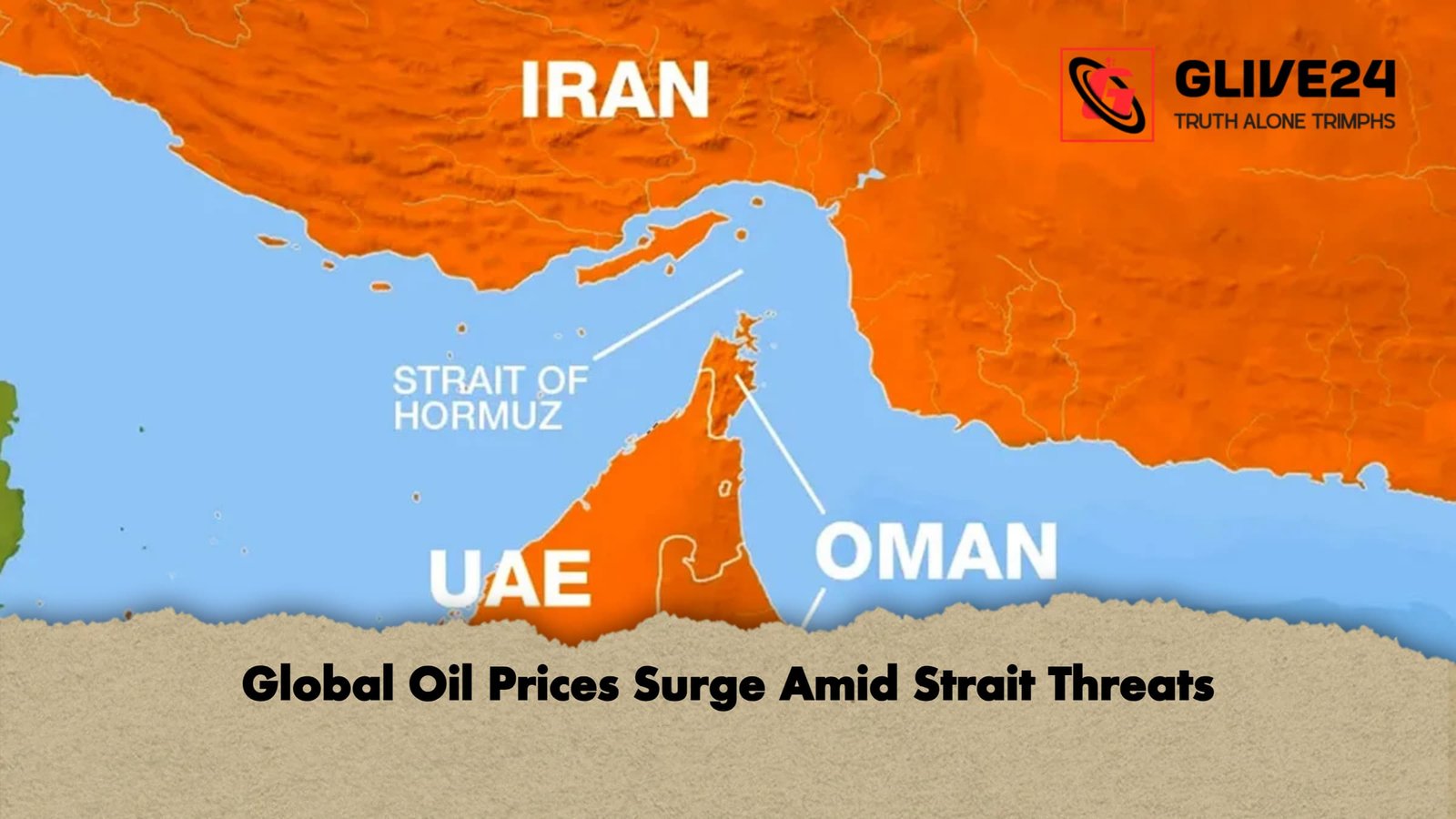
The looming threat of military action against Iran by the United States and Israel has sent shockwaves through the global oil market. Fears of a potential closure of the Strait of Hormuz—a critical chokepoint through which nearly one-fifth of the world’s oil passes—have driven petrol prices upward in more than 95 countries, impacting ordinary consumers, motorists, and industries alike.
Table of Contents
Rising Prices in the United States
According to the American Automobile Association (AAA), the average price of regular petrol in the United States has risen from $2.94 per gallon to $3.58 this month, marking an approximate 20% increase. Due to state-level price variations, some regions now see petrol exceeding $4 per gallon. California, in particular, is recording its highest prices in two years, with rates approaching $5 per gallon.
Asia and Africa Feeling the Impact
Data from the Global Petrol Price platform shows that at least 85 countries have experienced significant fuel price increases following the threat. The steepest rises have been observed in Cambodia, where the price of 95-octane petrol surged by 68%. Other notable increases include Vietnam (50%), Nigeria (35%), and Laos (33%).
| Country | Price Increase (%) | Previous Price (USD/litre) | Current Price (USD/litre) |
|---|---|---|---|
| Cambodia | 68 | 1.11 | 1.32 |
| Vietnam | 50 | 0.98 | 1.47 |
| Nigeria | 35 | 1.20 | 1.62 |
| Laos | 33 | 1.00 | 1.33 |
Most Vulnerable Nations
The top ten countries experiencing the largest price surges include Cambodia, Vietnam, Nigeria, Laos, Canada, Pakistan, the Maldives, Australia, the United States, and Singapore. Although Bangladesh is not listed among the 95 affected nations, analysts warn that South Asian countries could face more severe impacts than their East Asian counterparts due to lower strategic fuel reserves and limited financial buffers.
Bangladesh and Regional Measures
In response, the Bangladeshi government has ordered the temporary closure of all public and private universities to conserve fuel. Pakistan, facing a similar crisis, has reduced working hours for government offices to four days per week and implemented a 50% work-from-home policy. Such measures are considered vital for managing fuel consumption during periods of geopolitical instability.
Outlook
If global tensions persist, further fuel price hikes are expected in the coming months. Economists caution that continued increases will directly affect consumer spending, industrial costs, and overall economic stability. The situation underscores the sensitivity of the global economy to disruptions in energy supply and highlights the need for strategic reserves and coordinated international responses.