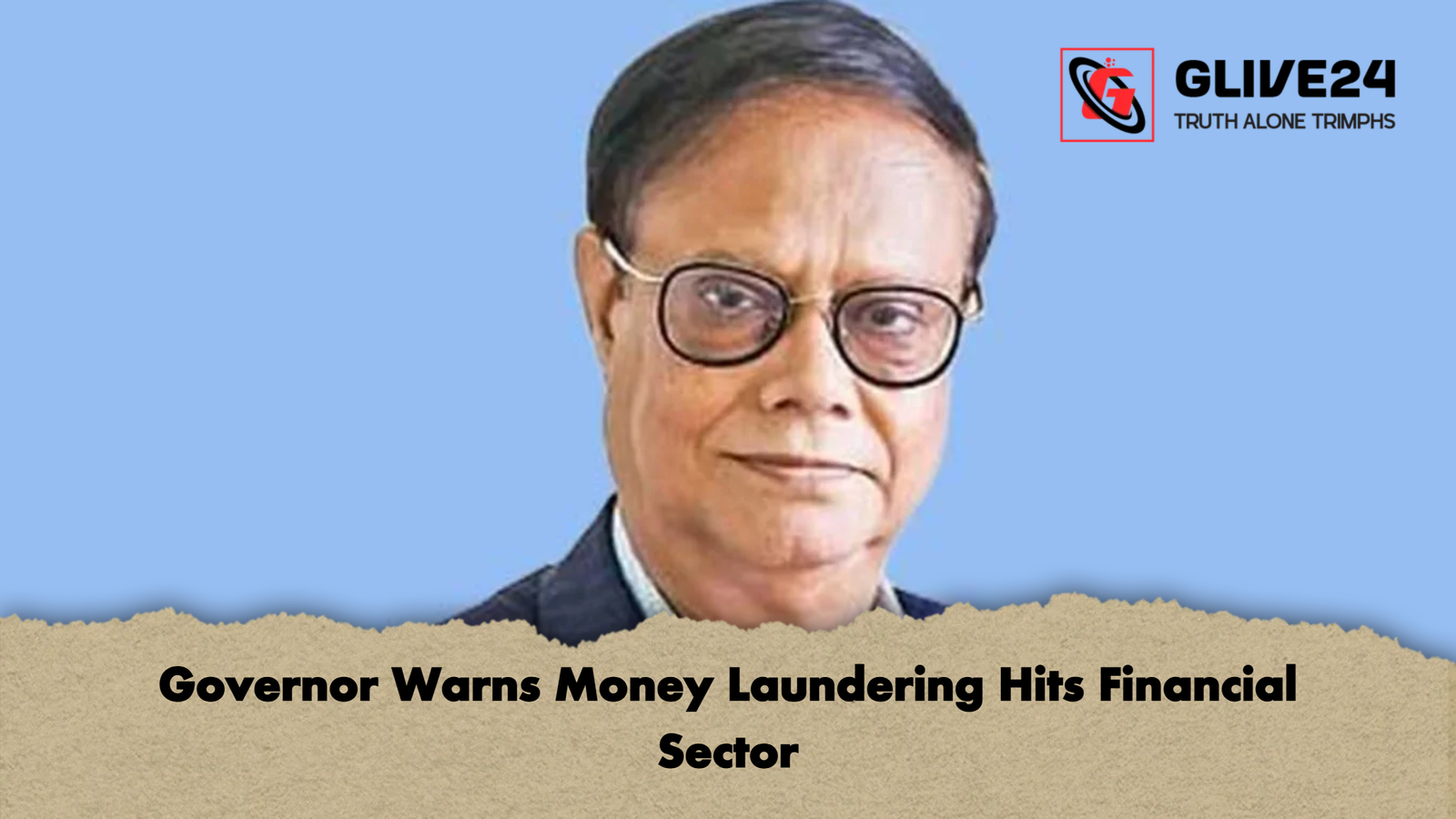
Bangladesh Bank Governor Ahsan H. Mansur issued a stark warning on Monday, 15 December, at a forum held in Cox’s Bazar, highlighting that the country’s financial sector has been significantly constricted in recent years due to large-scale money laundering. Speaking at the event, organised as part of the central bank’s nationwide cashless transaction campaign, he emphasised the urgent need for immediate and coordinated measures to revitalise and expand the nation’s financial system.
Governor Mansur stated, “Our focus must now be on expanding the financial sector and increasing money supply. However, this cannot be achieved merely by printing currency. Instead, we need a robust and structured approach to inject liquidity through legitimate economic channels.”
As part of its efforts to promote cashless payments nationwide, Bangladesh Bank has been conducting awareness campaigns across the country. In Cox’s Bazar, a two-day workshop on the use of the ‘Bangla QR Code’ was held on Sunday and Monday, with SSL Commerce serving as the principal collaborator. Similar initiatives have already taken place in 11 other cities outside Dhaka, and the programme is planned to extend progressively across the nation.
The main presentations at the event were delivered by Rafeza Akter Kanta, Director of the Payment Systems Department, and MD Parvez Anjam Munir, Additional Director. Governor Mansur noted that the country’s foreign currency reserves have surpassed $32 billion, providing a modest but positive effect on the domestic economy.
He cautioned that any increase in money supply must be carefully balanced with inflation control. “Compared to countries such as China, India, and Vietnam, Bangladesh’s total money supply relative to GDP remains considerably lower,” he remarked. Governor Mansur added that inflows of foreign currency via remittances, foreign investments, and loans could strengthen the banking sector further.
The governor also addressed the past outflow of funds, stating, “Had these resources remained within the country, our current economic situation would be considerably stronger. It is imperative that such assets be gradually repatriated through proper channels.” He stressed the importance of credit card usage and observed that fintech innovation and financial inclusion are intrinsically linked.
The discussion underscored the critical role of digital transactions and financial inclusion. While 28% of transactions in Bangladesh are currently digital, limited public awareness continues to impede growth. Measures such as providing affordable smartphones could enhance local businesses’ engagement with digital payment systems.
Concluding the session, Governor Mansur reiterated that a well-managed, digitally inclusive financial sector is pivotal for sustaining economic growth and advancing the country’s modernisation agenda.