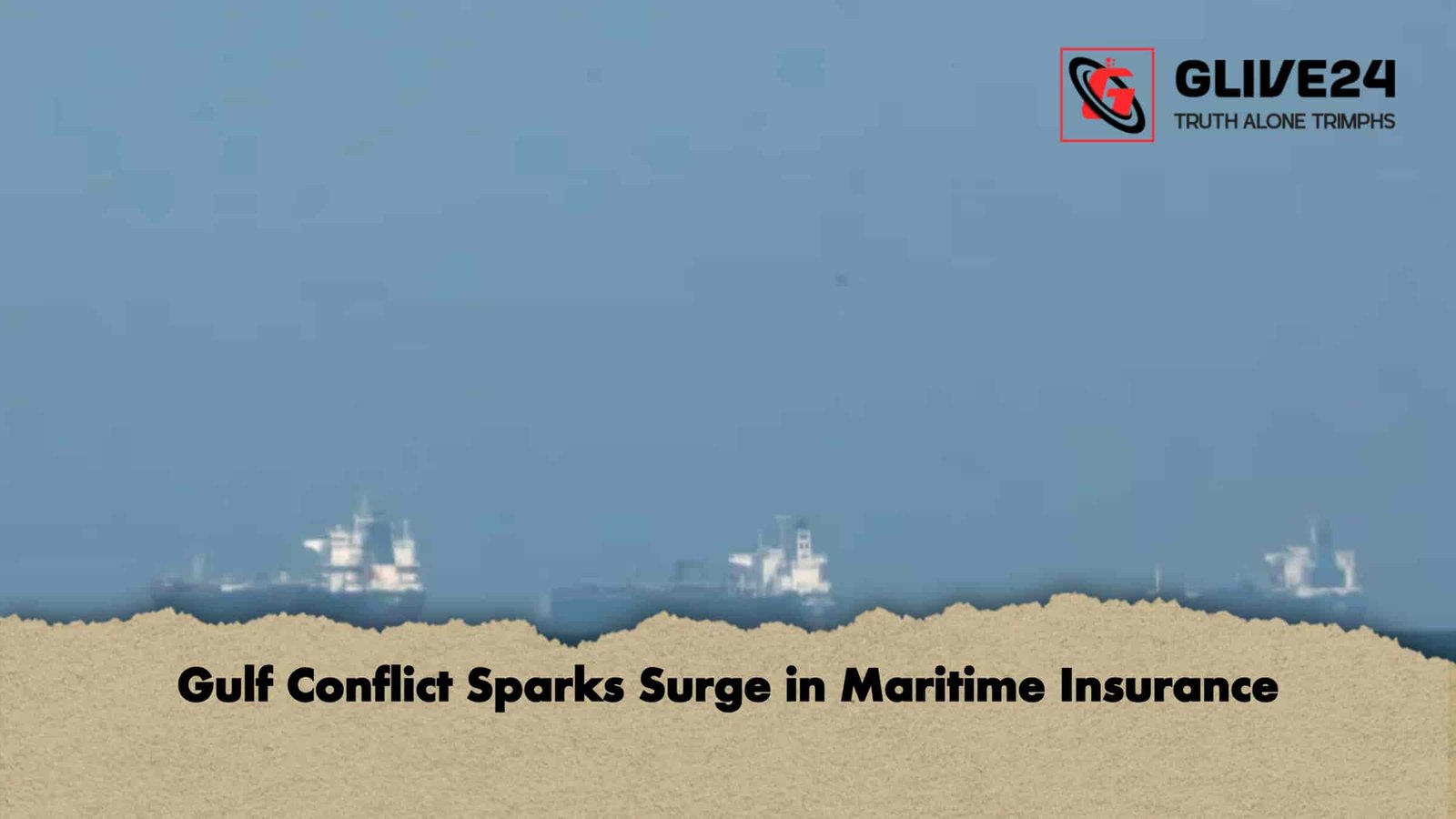
Maritime insurance premiums for vessels traversing the Strait of Hormuz have skyrocketed as the Gulf conflict intensifies, with some war risk policies rising over 1,000%, sharply increasing the cost of transporting energy through one of the world’s most critical shipping corridors.
The crisis followed joint Israeli-U.S. air strikes against Tehran on Saturday, which have effectively brought traffic in the Strait to a standstill. Iran warned on Monday that any ship attempting to pass would face fire, and at least nine vessels have already reported damage since hostilities began.
War risk insurance protects ship owners against losses to both vessels and cargo resulting from conflict or terrorism. While policies are usually issued annually, short-term coverage is also available for one-off voyages through high-risk waters. The current spike highlights the escalating financial pressure on ship owners, traders, and energy companies operating in the region, with analysts warning of broader economic repercussions if the conflict persists.
“The hull war market has responded quickly due to the risk of concentrated losses if multiple ships are struck in the same area,” said Stephen Rudman, Head of Marine, Asia, at global insurance broker Aon. He added that premiums are likely to rise further should the situation worsen materially.
Premium adjustments are being made daily, depending on vessel type, route, and cargo. Analysts at Jefferies estimated that potential losses from the seven vessels reported damaged by 5 March could reach $1.75 billion. For example, a typical tanker valued at $250 million would have faced a pre-conflict hull war premium of roughly $625,000 (0.25%). Current rates of 3% would increase this to around $7.5 million per vessel.
| Insurance Type | Pre-Conflict Rate | Current Rate | Vessel Value | Estimated Premium |
|---|---|---|---|---|
| Hull war insurance | 0.25% | 3% | $250 million | $7.5 million |
| Cargo war risk | 0.5–1% | 1–1.5% | $200–300 million | $2–4.5 million |
Approximately 20 million barrels of crude, condensate, and fuel passed through the Strait daily last year, representing around 20% of global oil consumption. Sheila Cameron, CEO of the Lloyd’s Market Association, stated that roughly 1,000 vessels remain in the Persian Gulf and surrounding waters, half of them tankers, with an aggregate hull value exceeding $25 billion. Most are insured through the London market, and coverage remains in force.
At least 200 ships have been forced to anchor offshore, creating significant congestion and supply chain disruptions. Analysts note that alternatives, such as rerouting via the Cape of Good Hope or overland pipelines, will raise transit times and costs.
The U.S. administration is exploring solutions, including naval escorts and political risk insurance, to ease the disruption and stabilise oil markets. However, uncertainty remains over the practical implementation and coverage for vessels of all nationalities. Dr Michel Léonard, chief economist at the Insurance Information Institute, likened the situation to “insuring a burning building,” underscoring the extraordinary risks facing the maritime sector.