
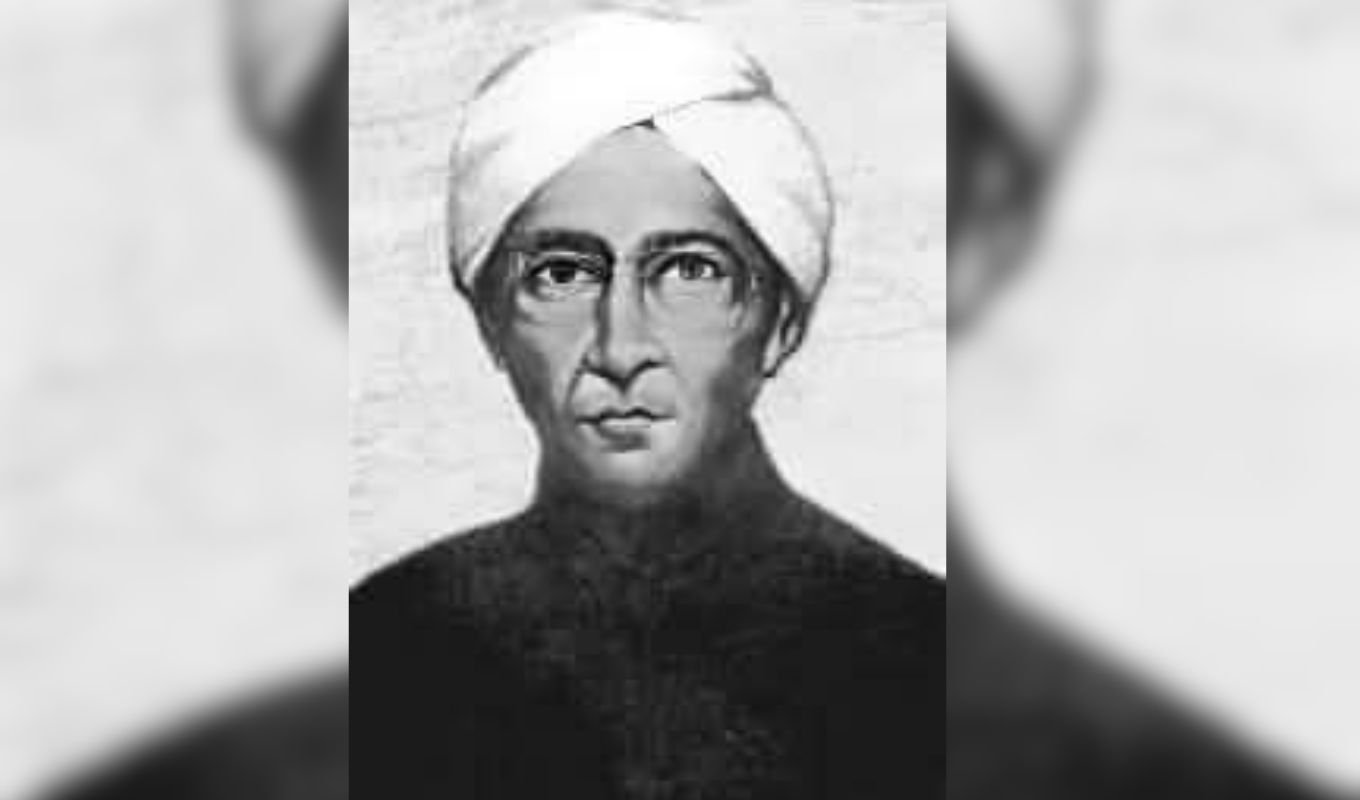
In the annals of the Indian subcontinent, the name most synonymous with selfless benevolence is Haji Muhammad Mohsin. Born on 3 January 1732 in Hooghly, West Bengal, Mohsin dedicated his entire life to the service of humanity. His extraordinary generosity transformed him from a mere wealthy landlord into a symbolic figure of the greatest philanthropist of all time, whose legacy continues to inspire millions.
Mohsin was born into an affluent family; his father, Haji Faizullah, was a prosperous Jagirdar, and his mother, Zainab Khanam, possessed vast estates in Jessore, Murshidabad, and Nadia. After inheriting immense wealth and later succeeding his sister Mannujan’s property, Mohsin became one of the wealthiest men of his era. However, he was a rare exception in an age of luxury. Instead of a lavish lifestyle, he chose to live in a humble cottage adjacent to the Hooghly Imambara. He earned his livelihood by manually copying the Holy Quran and preferred to cook his own meals, often sharing them with his subordinates and the destitute.
His thirst for knowledge and spiritual enlightenment led him on a 27-year journey across Mecca, Medina, Karbala, Iran, Iraq, and Turkey. Upon returning to Bengal, he witnessed the devastating famine of 1769–70. He immediately established numerous soup kitchens and donated heavily to government funds to save thousands from starvation. In 1806, he executed a historic deed, dedicating his entire fortune to the ‘Mohsin Fund’ for the benefit of public education and religious activities. This fund facilitated the establishment of prestigious institutions like Hooghly Mohsin College and Government Haji Muhammad Mohsin College in Chattogram.
The Mohsin Hall at Dhaka University and the naval base BNS Haji Mohsin are lasting tributes to his memory. This legendary philanthropist breathed his last on 29 November 1812 and was buried near the Hooghly Imambara. Even today, his name remains brightly etched in the hearts of the Bengali people as a beacon of humanity, modesty, and unconditional charity. His life remains a testament to the fact that true greatness lies not in the accumulation of wealth, but in its distribution for the greater good.
GLIVE/TSN