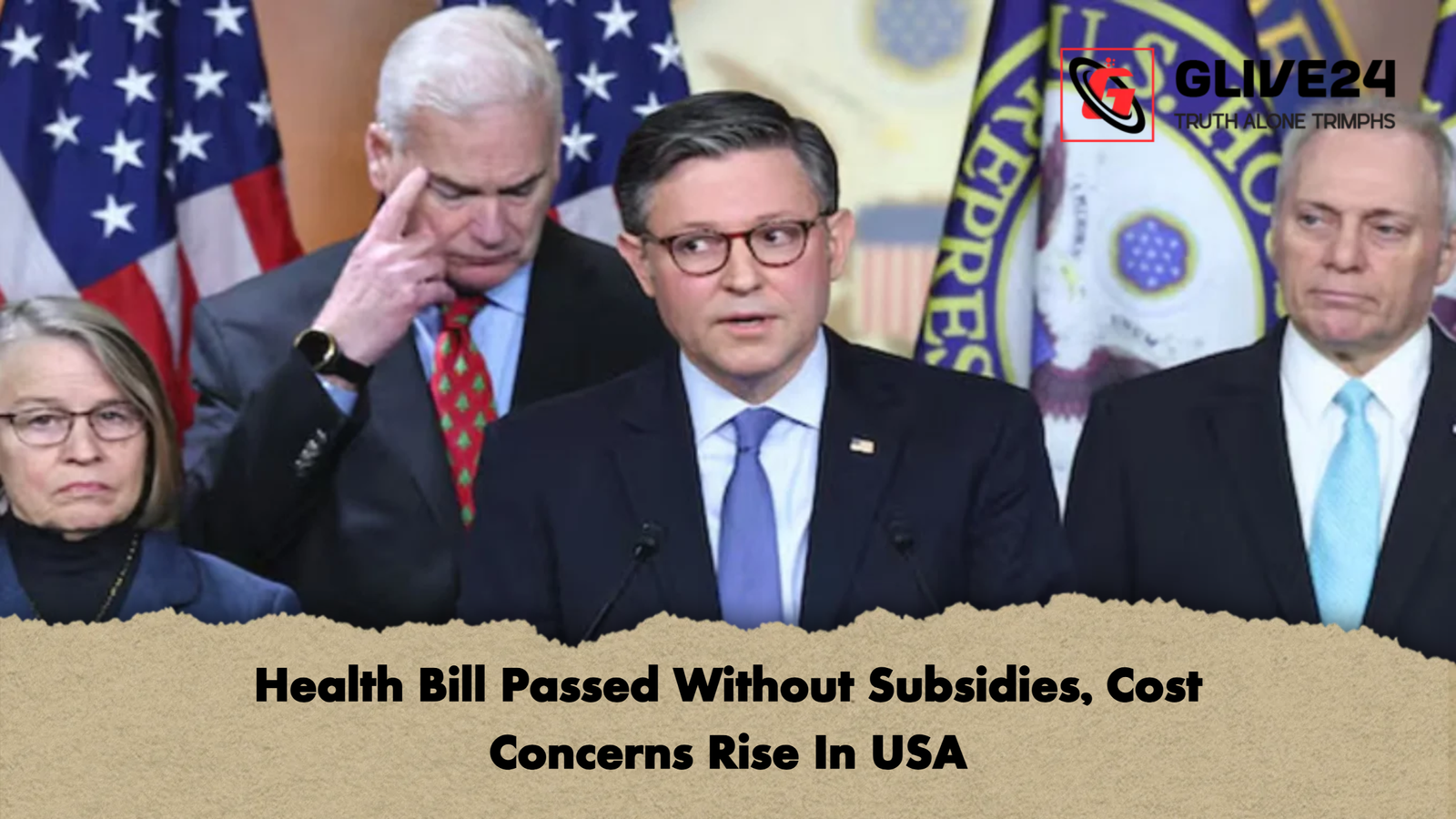
The United States healthcare system faces a fresh and unprecedented crisis following the passage of a contentious health bill in the House of Representatives on Wednesday. The Republican-backed legislation narrowly cleared the chamber with a vote of 216 to 211. If enacted, the bill could terminate the federal subsidies introduced under the expanded Affordable Care Act (ACA) during the COVID-19 pandemic—commonly known as Obamacare. Without immediate congressional intervention, nearly 24 million Americans could see their healthcare costs surge sharply as early as January.
In the lead-up to the vote, internal divisions within the Republican Party became starkly evident. Some Republican members joined Democrats in supporting a three-year extension of ACA subsidies, seeking to protect vulnerable citizens. However, Republican leadership employed last-minute procedural manoeuvres to block the proposal. Initially, the House voted 204–203 to prevent the Democrat initiative from even reaching the floor, sparking widespread frustration and protest among Democratic lawmakers, who accused the leadership of hastily curtailing debate and undermining the legislative process.
The immediate impact of withdrawing federal subsidies would fall on the roughly 24 million citizens currently enrolled in ACA plans. Without timely congressional action, premiums could rise significantly at the start of the new year, rendering monthly insurance payments unaffordable for many families. Some individuals may be forced to downgrade to less comprehensive coverage, while others could lose insurance entirely. Senate Democratic leader Chuck Schumer warned that millions could face higher deductibles and cost-sharing burdens, creating barriers to essential healthcare and compounding financial stress for households nationwide.
Although the Republican bill promises long-term structural reforms, it offers little relief from the impending crisis. Its provisions would not take effect until 2027, while the immediate reduction of federal subsidies is expected to trigger premium hikes. The legislation also allows for the expansion of “Association Health Plans,” intended to give small businesses, freelancers, and self-employed individuals access to group coverage. Proponents argue this will create market alternatives and reduce costs; critics contend it does not guarantee affordable or comprehensive insurance.
Analysis by the nonpartisan Congressional Budget Office suggests that under the proposed law, up to 100,000 Americans could lose their health coverage annually by 2035. While the federal budget deficit may decrease, the potential harm to public health security remains a subject of intense debate.
House Speaker Mike Johnson has indicated that a vote on subsidy extensions will not occur before the first week of January, leaving citizens at risk of elevated healthcare expenses at the start of the year. Already, the subsidy dispute has sparked political tension and could influence the 2026 elections. Without rapid compromise, millions of Americans may face severe financial and healthcare-related hardships in the months ahead.