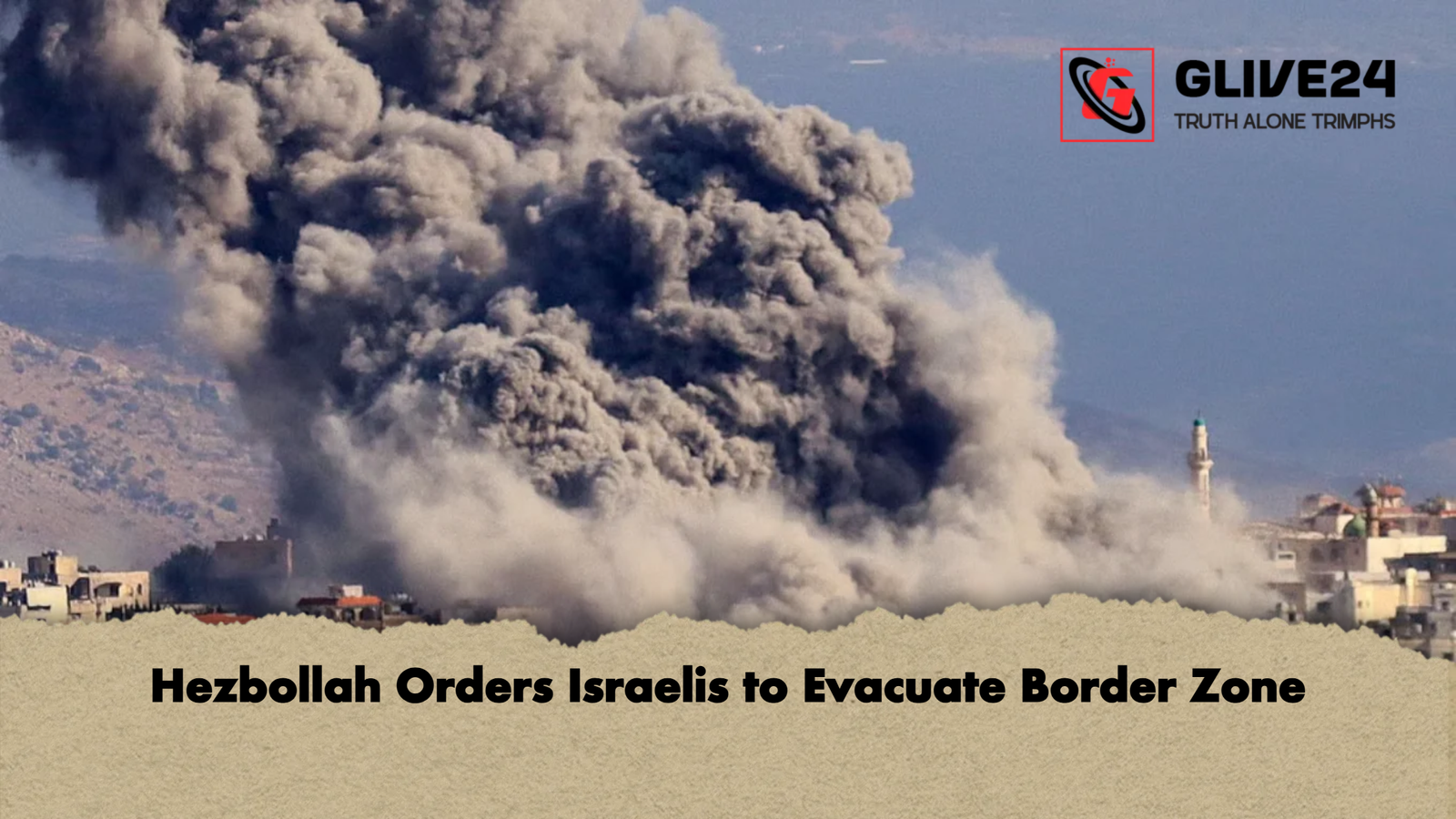
The Lebanese militant group Hezbollah has issued a stern warning to residents of Israeli towns and settlements near the Lebanon border, urging evacuation from areas within a five-kilometre (approximately three-mile) radius. The alert, posted on Hezbollah’s Telegram channel early Friday morning (6 March) in Hebrew, signals a sharp escalation in tensions along the volatile Israel-Lebanon frontier.
Table of Contents
Warning to Civilians
According to reports by the BBC, citing Reuters, Hezbollah stated that the sovereignty of Lebanon and the safety of its citizens would not tolerate “aggression by the Israeli military, destruction of civilian infrastructure, or forced displacement operations.”
The advisory specifically targeted communities within close proximity to Hezbollah’s strongholds in southern Lebanon, indicating that the group is prepared to respond to any Israeli military action in the area. Analysts suggest the warning is intended both to safeguard Lebanese territory and to heighten pressure on Israeli authorities.
Recent Military Escalation
Israeli forces reportedly conducted a series of airstrikes in southern Beirut and surrounding regions late Thursday night, targeting areas near Hezbollah positions. Prior to the strikes, the Israeli military had warned civilians in southern Beirut to evacuate, highlighting the growing risks to local populations.
In a related development, the Israeli Defence Forces (IDF) announced that they had launched operations targeting Iranian infrastructure in Tehran. The IDF cited concerns over Iranian-backed activities in the region, marking a broader escalation that involves multiple regional actors and raises fears of wider conflict.
Context and Strategic Implications
The Israel-Lebanon border has historically been a hotspot due to Hezbollah’s entrenched presence and its long-standing conflict with the Israeli military. Analysts warn that civilian evacuations, combined with military strikes, increase the risk of a rapid escalation that could draw in neighbouring countries or trigger a regional confrontation. The use of Telegram to communicate evacuation warnings underscores Hezbollah’s capacity for rapid mobilisation and psychological operations.
Timeline of Recent Events
| Date & Time | Location | Event | Key Notes |
|---|---|---|---|
| 5 March, late night | Southern Beirut & Lebanon border | Israeli airstrikes | Targeted areas near Hezbollah strongholds |
| 6 March, early morning | Israel-Lebanon border | Hezbollah issued evacuation order | Residents within 5 km advised to leave |
| 6 March | Tehran, Iran | Israeli military operations | IDF claims strikes on Iranian infrastructure |
Regional and International Response
Although authorities in Israel and Lebanon have not reported casualties, the evacuation order reflects the gravity of the security situation. Regional observers have expressed concern over the potential for civilian displacement and the escalation of hostilities, urging both sides to exercise restraint. International actors are closely monitoring developments and calling for dialogue to prevent a wider confrontation.
The warning to Israeli civilians and the ongoing airstrikes highlight the delicate balance of power along the border and the potential for a rapid escalation that could have far-reaching regional consequences. Both Hezbollah and Israel face international scrutiny as tensions remain high and the situation develops.