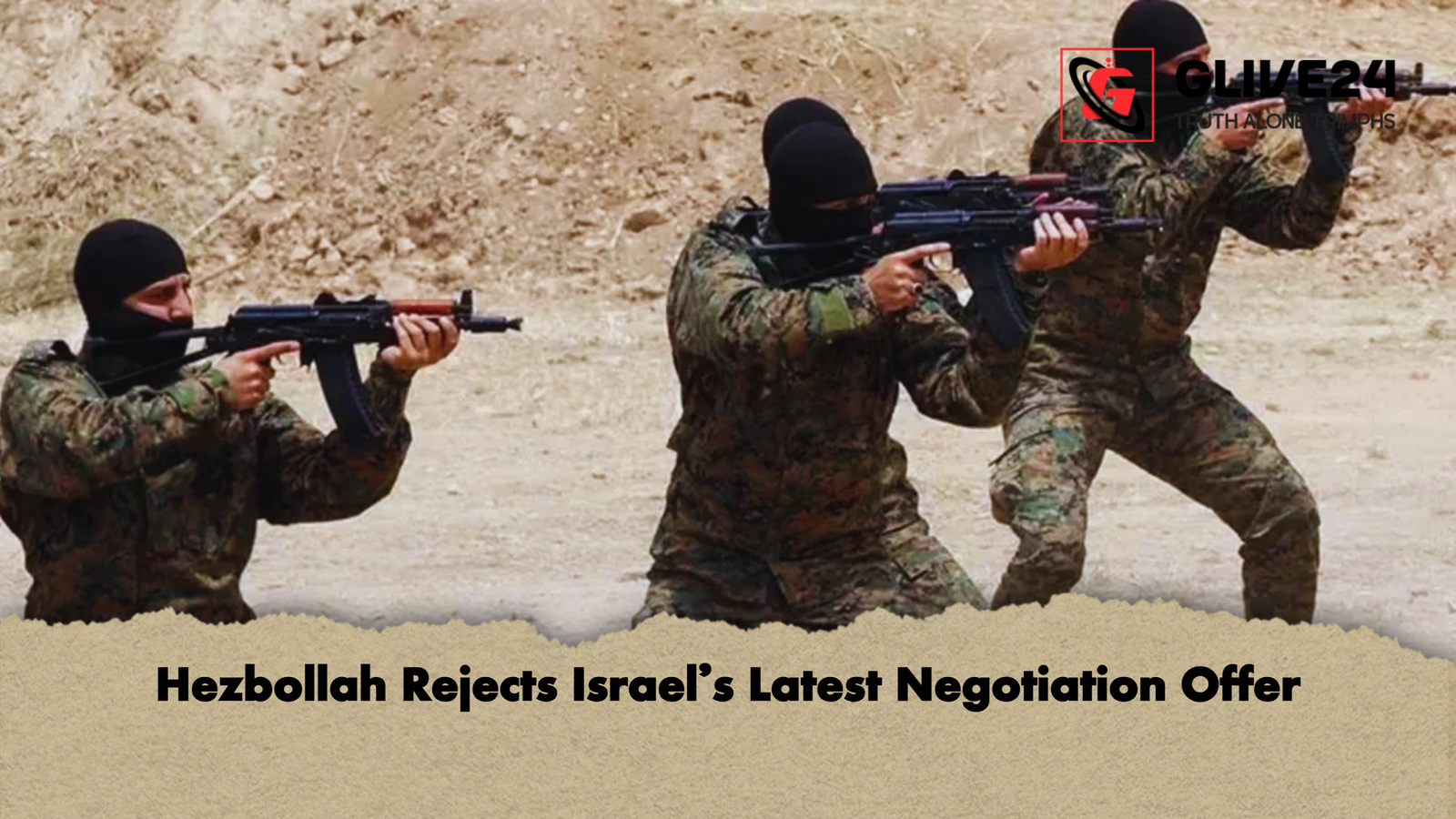
Tensions in the Middle East have escalated sharply as Hezbollah, the Lebanese Shia militant group, has formally rejected Israel’s latest proposal for negotiations amid ongoing regional hostilities. The development underscores the deepening complexity of the conflict, which has involved multiple fronts and key international actors.
According to reports, Israel and its ally, the United States, have been engaged in aggressive operations against Iran for 26 consecutive days. The confrontations began on 28 February when Israeli forces launched attacks in Tehran, prompting a swift retaliatory response from the Islamic Republic’s military. Within just two days, Lebanon-based Hezbollah joined the fray, effectively opening a second front against Israel. Since then, Tel Aviv has been forced to contend with simultaneous pressures on multiple fronts.
In this context, a proposal for dialogue initiated by Israel has been unequivocally turned down by Hezbollah. Analysts note that the group’s stance mirrors that of Iran, which has consistently rejected U.S.-mediated negotiations. This alignment signals a coordinated approach between Tehran and Hezbollah, suggesting a broader regional strategy aimed at resisting Western-led diplomatic interventions.
Hezbollah’s Secretary-General, Naim Qassem, addressed the media on Wednesday, 25 March, declaring that dialogue with Israel under current circumstances would constitute “dishonourable surrender.” He emphasised that the struggle against Israel is “limitless” and urged both regional actors and domestic supporters to remain united against Israeli aggression.
In a televised statement aired on a Hezbollah-affiliated channel, Qassem asserted that the group’s fighters are prepared for a protracted conflict and are committed to sustaining operations without pause. He also appealed to the Lebanese government to lift restrictions on Hezbollah’s military activities, describing such measures as detrimental to national security and sovereignty.
The following table summarises the key aspects of the ongoing conflict:
| Parameter | Details |
|---|---|
| Conflict Start | 28 February, Israeli attacks on Tehran |
| Primary Parties | Israel, United States, Iran, Hezbollah |
| Hezbollah Position | Rejects negotiations, committed to prolonged conflict |
| U.S. Role | Mediator through proposed dialogue |
| Current Status | Multi-front hostilities, heightened regional tensions |
| Leadership Statements | Naim Qassem emphasises unlimited resistance and unity |
Regional analysts suggest that Hezbollah’s firm stance is likely to complicate any immediate prospects for diplomatic resolution. With both Iran and Hezbollah refusing U.S.-led mediation, the likelihood of a short-term de-escalation appears slim. Experts warn that unless significant political intervention occurs, the conflict may extend further, posing long-term risks to regional stability and security.
Overall, Hezbollah’s rejection of Israel’s negotiation offer signals a continuation of hostilities, reinforcing the perception that the current Middle Eastern crisis is entering a more protracted and entrenched phase.