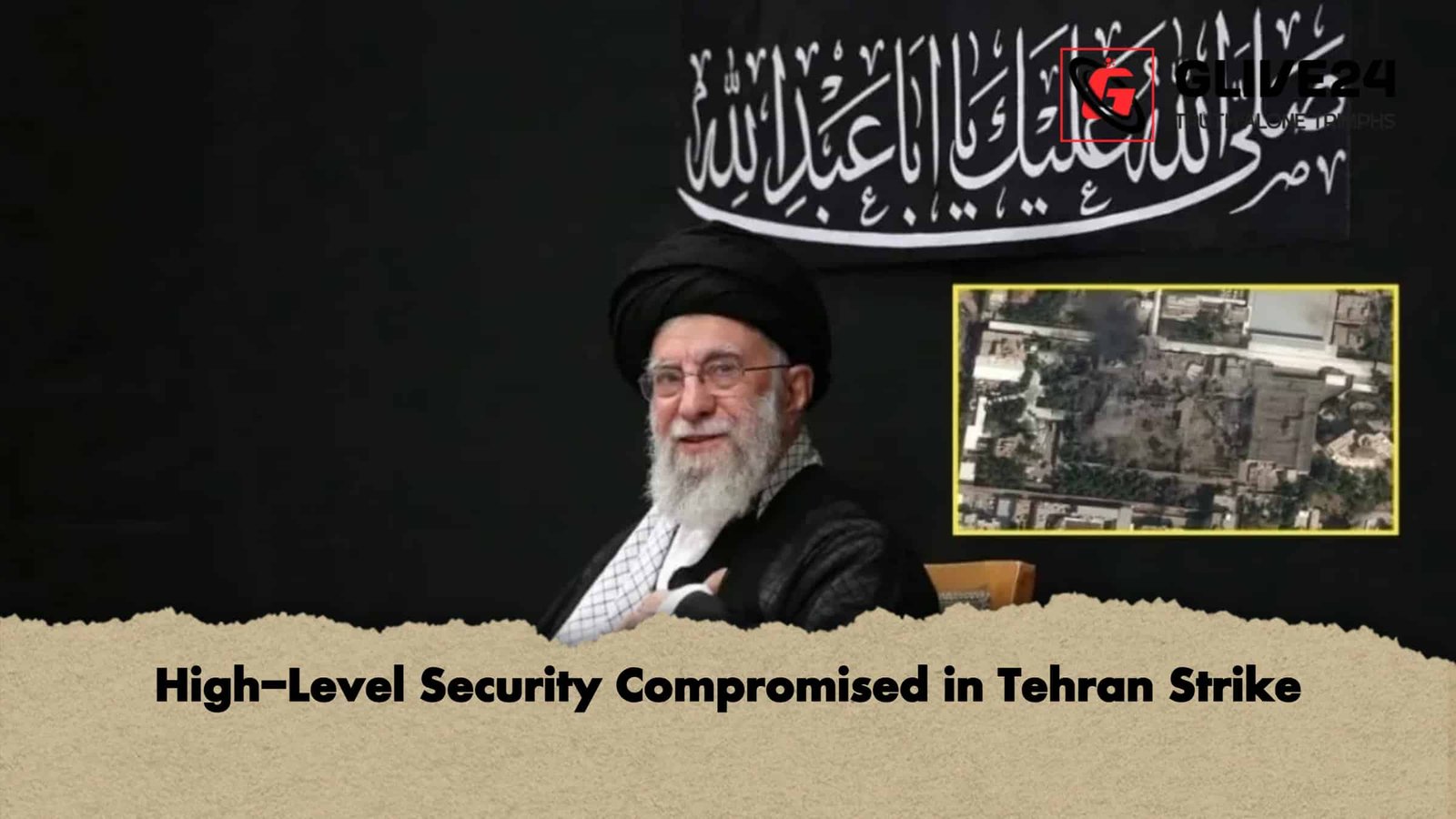
Iran’s Supreme Leader, Ayatollah Ali Khamenei, was fatally attacked on Sunday morning, 1 March 2026, in what authorities are describing as a meticulously planned operation. The assassination has sent shockwaves across Iran and the wider Middle East, raising concerns about regional stability and international security. State-run media and semi-official agencies, including the Islamic Republic News Agency, Tasnim, and Fars News, have confirmed the death.
Initial reports indicate that the strike may have been executed in coordination with United States and Israeli military intelligence, targeting Khamenei and his closest associates. According to a Reuters report, the attack occurred during an urgent high-level meeting in Tehran, convened with senior advisors in one of the nation’s most secure underground facilities.
Sources state that U.S. President Donald Trump was among the first to publicly announce Khamenei’s death, which was subsequently corroborated by both American and Israeli intelligence services. Alongside Khamenei, several key figures in Iran’s security and military leadership were reportedly killed, including Ali Shamkhani, former Secretary of Iran’s Supreme National Security Council, and Mohammad Pakpour, a senior commander in the Islamic Revolutionary Guard Corps (IRGC).
At the time of the strike, National Security Council Secretary Ali Larijani and Shamkhani were engaged in strategic consultations with Khamenei in an underground bunker. Preliminary satellite imagery reveals extensive destruction around the leader’s residence and surrounding areas, suggesting the use of highly advanced bunker-busting munitions designed to penetrate deep underground. Defence analysts have highlighted the operation’s precision, calling it an unprecedented display of tactical planning and technical capability.
The attack has plunged Iran into mourning while heightening tensions across the region. The IRGC has publicly vowed retaliation, signalling the potential for increased military confrontations. International observers warn that the assassination could trigger a major reassessment of diplomatic and security arrangements in the Middle East.
Key Casualties and Attack Details
| Name | Position / Organisation | Time of Attack | Location |
|---|---|---|---|
| Ayatollah Ali Khamenei | Supreme Leader of Iran | 06:00 | Tehran, underground bunker |
| Ali Shamkhani | Former Secretary, Supreme National Security Council | 06:00 | Tehran, underground bunker |
| Mohammad Pakpour | Commander, Islamic Revolutionary Guard Corps | 06:00 | Tehran, underground bunker |
Security analysts warn that this assassination represents a significant breach of Iran’s internal security framework and could alter the regional military balance. The event may have long-term implications for strategic alliances and the distribution of power within the Middle East, marking one of the most consequential developments in recent Iranian history.