
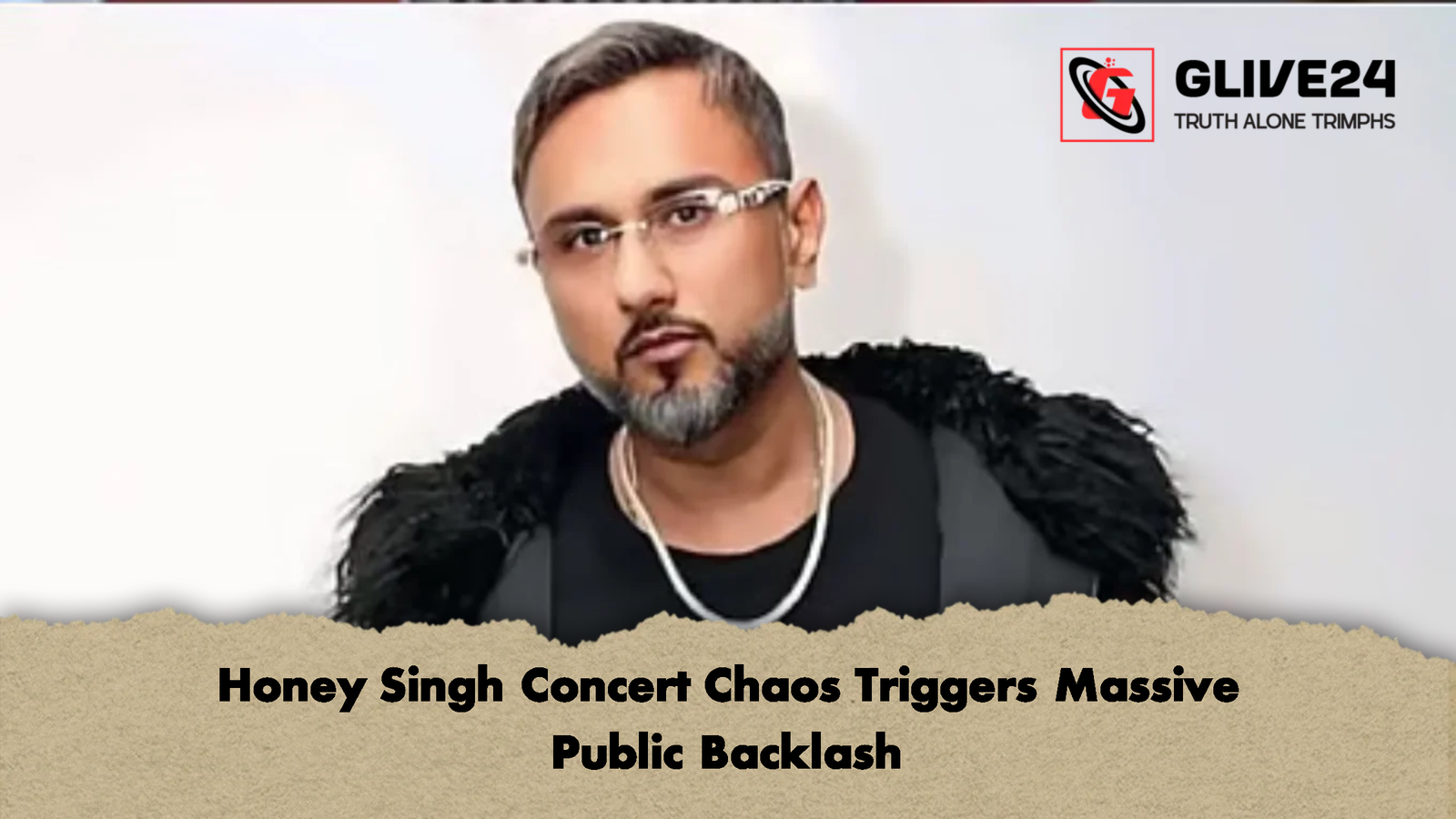
A live concert by Yo Yo Honey Singh in Mumbai has sparked intense criticism and debate after reports of crowd mismanagement and widespread unauthorised entry overshadowed what was meant to be a high-profile musical event. The performance, staged on Saturday in Bandra, initially delivered the electrifying atmosphere synonymous with Honey Singh’s shows, but quickly descended into controversy as organisational shortcomings became evident.
The artist, renowned for his energetic stage presence and chart-topping hits, performed fan favourites such as “Dope Shope”, “Desi Kalakaar”, “Blue Eyes”, “Brown Rang”, and “Lungi Dance”. Fans responded enthusiastically, with many singing along and celebrating the spectacle. However, the celebratory mood was soon dampened by mounting complaints over overcrowding, poor crowd control, and security lapses.
Table of Contents
Viral Footage Fuels Online Criticism
The situation escalated dramatically when a video clip went viral on social media, showing a female attendee attempting to enter the venue without a valid ticket. When security personnel intervened, she reportedly reacted aggressively, shouting and using abusive language. The footage triggered widespread reactions online, with users questioning both attendee conduct and the adequacy of event security.
Subsequent reports suggested that the incident was far from isolated. Several individuals allegedly bypassed ticket checks and gained access to premium areas, including zones near the stage. This not only undermined the integrity of the ticketing system but also heightened dissatisfaction among legitimate attendees.
Paying Guests Voice Discontent
Many ticket holders expressed frustration over what they described as a “disorganised and inequitable” experience. Despite paying for access—often at considerable cost—numerous attendees reported being unable to reach their designated sections due to overcrowding and lack of enforcement by event staff.
Some premium ticket holders, who had paid significantly higher prices for front-row or exclusive seating, claimed they were forced to stand far from the stage, effectively negating the benefits of their purchase. The disparity between expectation and experience became a central point of criticism.
The ticket pricing structure for the concert illustrates the scale of investment made by attendees:
| Ticket Category | Price Range (INR) | Access Description |
|---|---|---|
| General Admission | From ₹1,799 | Standard entry to venue |
| Premium Front Access | Up to ₹20,000 | Closer proximity to stage |
| Luxury Seating | Up to ₹310,000 | Exclusive seating with premium amenities |
The stark contrast between ticket costs and actual on-ground experience has intensified calls for accountability among organisers.
Concerns Over Event Management Standards
The controversy has reignited broader concerns about event management practices in major metropolitan cities such as Mumbai. Industry observers have pointed to critical lapses, including inadequate ticket verification, insufficient crowd control personnel, and a lack of contingency planning for large audiences.
Experts argue that concerts featuring globally recognised performers like Honey Singh require meticulous planning, robust security frameworks, and seamless coordination between organisers, venue authorities, and law enforcement. Failure in any of these areas can result in not only reputational damage but also potential safety risks.
Tour Continues Amid Heightened Scrutiny
Despite the backlash, Honey Singh’s concert tour is scheduled to continue, with performances planned in multiple cities. One of the most anticipated upcoming shows is set to take place in Kolkata on 9 May. In light of the Mumbai incident, organisers are expected to implement stricter measures to prevent a recurrence of similar issues.
A Cautionary Tale for the Industry
While the Mumbai concert reaffirmed Honey Singh’s enduring popularity and ability to draw large crowds, it also exposed significant vulnerabilities in event execution. For many attendees and observers, the episode serves as a cautionary example of how organisational lapses can overshadow even the most successful performances.
As discussions continue across digital platforms, the incident underscores the growing expectations of audiences for safety, fairness, and professionalism in live entertainment. Moving forward, stakeholders across the industry may need to reassess their operational strategies to ensure that audience experience matches both the hype and the price tag.