
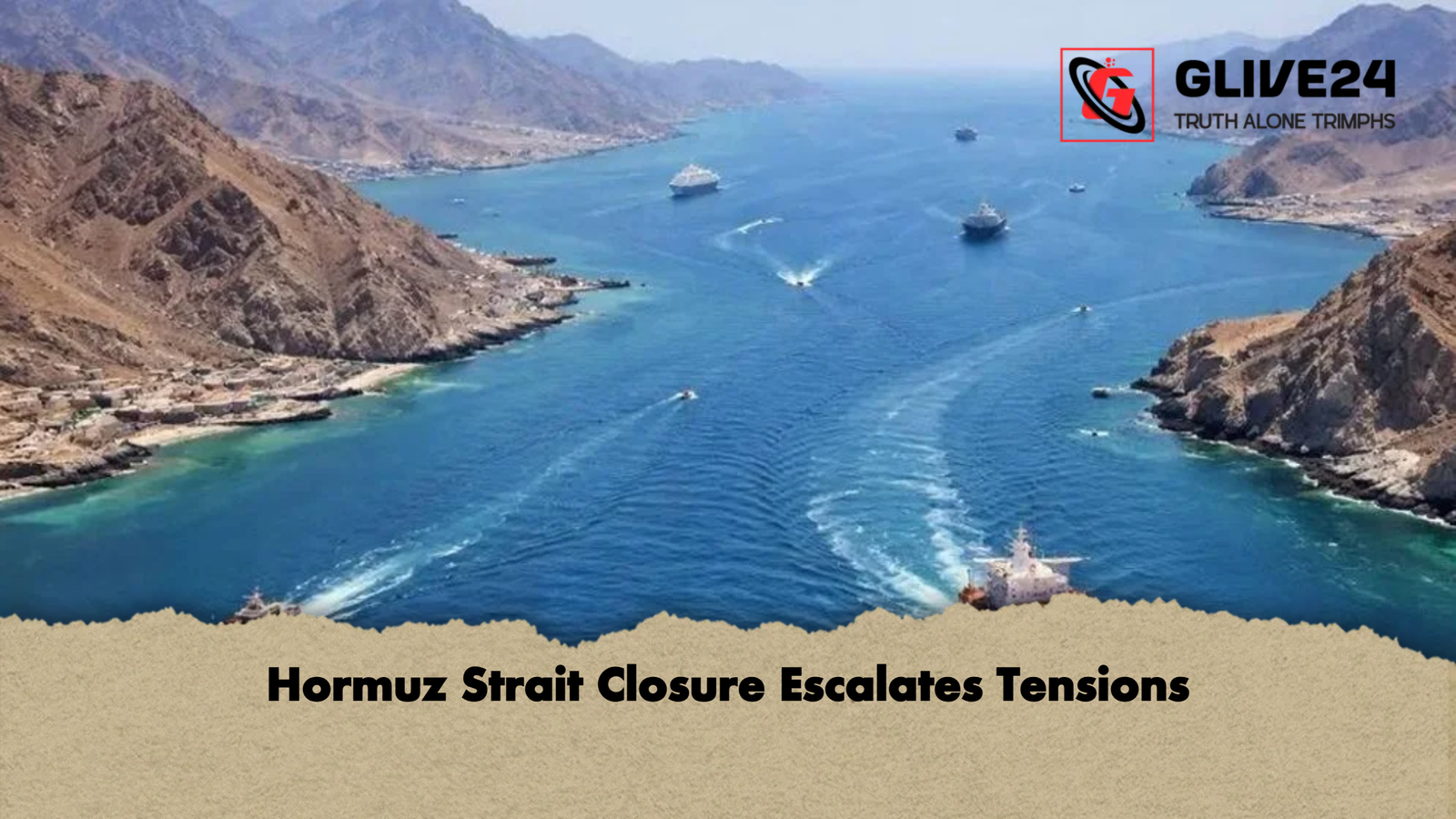
Iran has once again halted the passage of oil tankers through the strategically vital Strait of Hormuz, following renewed Israeli military strikes in Lebanon that Tehran says constitute a breach of a ceasefire agreement. The move has intensified already heightened regional tensions and raised fresh concerns over global energy security.
According to reports from semi-official Iranian media, tanker movements through the strait were completely suspended from Wednesday afternoon, 8 April, effectively bringing one of the world’s most critical maritime oil corridors to a standstill. Iranian state-aligned outlets confirmed that the decision was taken in direct response to what Tehran described as Israel’s violation of ceasefire conditions in Lebanon.
The escalation follows a deadly wave of airstrikes in Lebanon on the same day, which reportedly killed at least 254 people and left 1,165 others injured, according to Lebanon’s civil defence authorities. The strikes have triggered widespread condemnation and deepened fears of a broader regional conflict.
Earlier in the day, there had been brief signs of de-escalation. Former US President Donald Trump announced that a ceasefire had been established under terms accepted by Iran. During that short window, two oil tankers were reportedly allowed to transit the Strait of Hormuz safely with Iranian approval. However, the renewed Israeli strikes in Lebanon led Tehran to reverse its position and suspend all remaining tanker traffic.
Iranian officials maintain that adherence to a 10-point framework is essential for any ceasefire to hold, including a halt to attacks on what Tehran describes as the “resistance front,” encompassing Hezbollah in Lebanon. Israeli authorities, however, have stated that any ceasefire arrangement applies strictly to direct hostilities with Iran and does not restrict ongoing operations against Hezbollah forces in Lebanon.
The disruption of shipping through the Strait of Hormuz has once again exposed the fragility of regional stability. The waterway, through which a significant share of the world’s oil exports passes, is considered one of the most sensitive chokepoints in global trade.
Reported Impact Summary
| Category | Details |
|---|---|
| Location of escalation | Lebanon |
| Reported fatalities | At least 254 |
| Reported injuries | Around 1,165 |
| Maritime impact | Suspension of tanker traffic in Strait of Hormuz |
| Initial ceasefire status | Announced, partially implemented |
| Trigger for suspension | Renewed Israeli strikes in Lebanon |
| Key disputed issue | Scope of ceasefire (Iran vs Israel interpretation) |
Iranian media further reported that discussions are underway regarding possible “retaliatory measures” targeting military positions in areas under Israeli control, signalling that the risk of further escalation remains high. The situation continues to evolve rapidly, with diplomatic channels under intense pressure to prevent a wider regional confrontation.