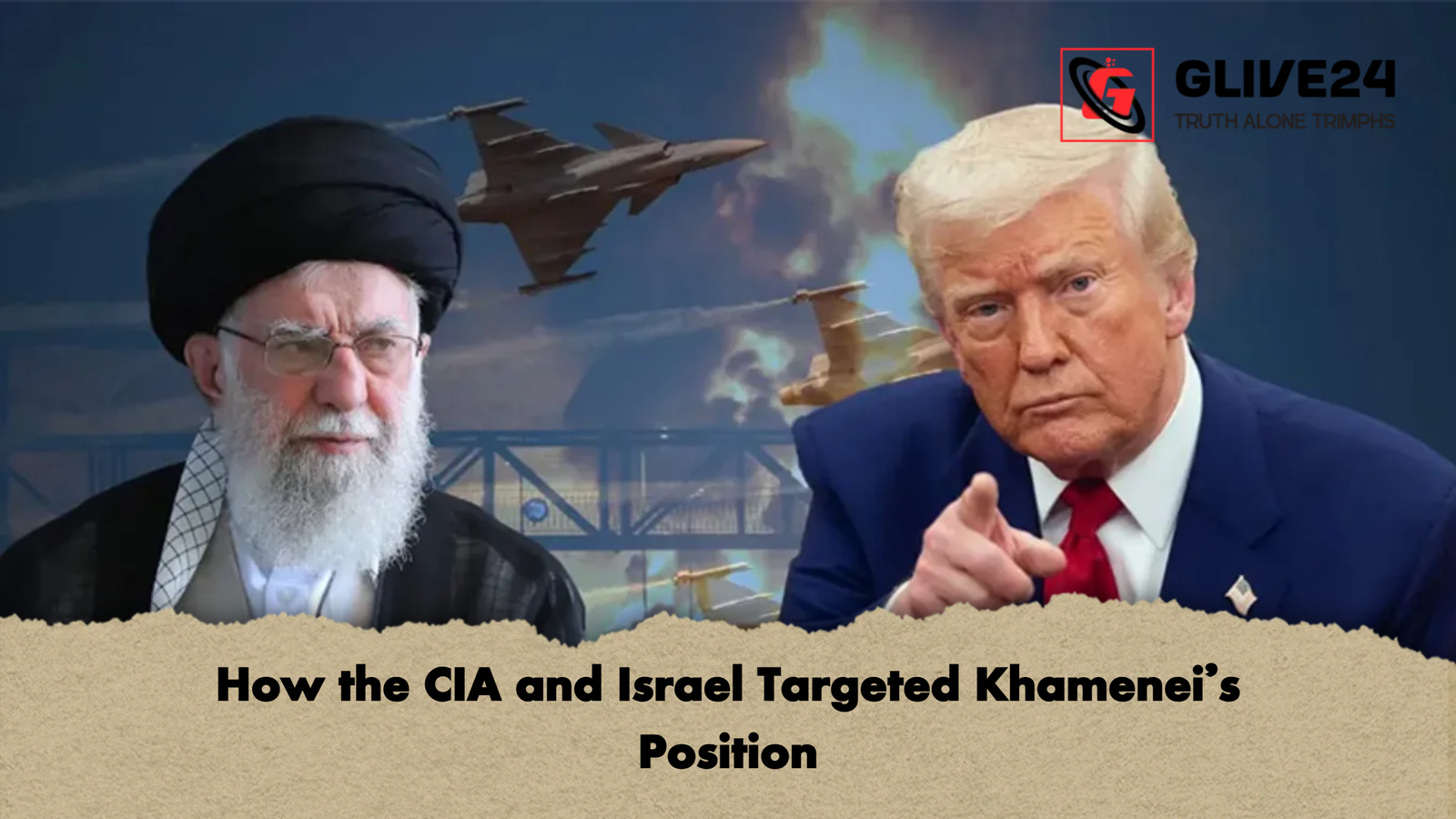
In a striking escalation, Ayatollah Ali Khamenei, Iran’s Supreme Leader, was killed in a joint US-Israel airstrike on Sunday, 1st March 2024. This attack has pushed Iran into a severe political crisis, further intensifying regional tensions. The operation, which targeted Khamenei at his official workplace, also claimed the lives of key officials, including Khamenei’s daughter, son-in-law, and grandson. This unprecedented strike has sparked widespread international outrage, particularly after it was revealed that Khamenei was not in a secret, protected location, as previously thought, but at his office in Tehran during the attack.
A report by The New York Times has disclosed crucial details about the operation. According to sources familiar with the attack, intelligence sharing between the United States and Israel was instrumental in locating Khamenei. The CIA had been monitoring his movements for several months, accumulating critical intelligence about his habits, routine, and locations. The breakthrough came when the CIA learned that a high-level meeting with key Iranian officials, including Khamenei, was scheduled to take place in Tehran’s city centre the morning of the strike.
Table of Contents
Key Intelligence and Strategic Shift
Armed with this vital information, the timing of the attack was quickly adjusted. Initially planned to take place under the cover of night, the operation was moved to the morning after it was confirmed that Khamenei would be present at the meeting. The building targeted housed not only Khamenei’s office but also the Iranian president’s office and the National Security Council, making it a prime opportunity to take out several key figures at once.
This intelligence breakthrough marked a significant strategic shift for both Israel and the United States. The coordinated operation underscores the close collaboration between the two nations, allowing them to neutralise the highest echelons of Iran’s government with precision and speed. Sources familiar with the operation indicated that the swift response to this intelligence was a major success, showcasing the capability of the CIA and Israeli intelligence.
The Operation and Its Aftermath
The airstrike itself came after months of extensive intelligence gathering by both the CIA and Israel. Information gleaned during the 12-day military conflict between the US and Iran in 2023 provided further insight into the communication and movements of Khamenei and the Islamic Revolutionary Guard Corps (IRGC).
Following the attack on the leadership complex, further strikes were launched against other key Iranian intelligence locations. Although some high-ranking officials managed to evade the strikes, Khamenei’s death has severely shaken Iran’s leadership. The implications of this loss are already being felt, with widespread shock and mourning throughout the country.
Key Details of the Operation
| Aspect | Detail |
|---|---|
| Date of Attack | 1st March 2024 |
| Countries Involved | Israel, United States |
| CIA Involvement | Tracking Khamenei’s movements for several months |
| Targeted Location | Tehran city centre complex (Khamenei’s office) |
| Casualties | Khamenei, top officials, family members |
| Shifting Attack Time | Originally set for night, changed to morning after new intelligence |
| Aftermath | Top Iranian intelligence figures targeted, leadership disrupted |
The decision to alter the attack timing from the cover of night to the morning highlights the flexibility and responsiveness required in such high-stakes operations. It illustrates the importance of military intelligence and its role in shaping crucial military decisions.
Strategic and Geopolitical Consequences
Khamenei’s death marks a turning point in Middle Eastern geopolitics, with potentially far-reaching consequences for both Iran and the broader region. The revelation that Khamenei was not in a secret location, as widely believed, reflects a gap in Iran’s security and preparedness. Critics argue that despite clear signs of impending conflict, the Iranian leadership’s failure to ensure the safety of their most senior figures allowed for this devastating attack.
The operation has far-reaching implications, not just for the Iranian government but for the entire Middle East. Analysts predict that the power vacuum created by Khamenei’s death could lead to increased instability, with potential power struggles among Iran’s remaining leadership. This may prompt retaliatory actions that could escalate the conflict even further, destabilising the region.
Global Reactions
Following the attack, Israel’s Ministry of Defence confirmed that several key Iranian sites were struck, including the complex where Khamenei had been meeting with high-ranking officials. A defence official remarked that Israel had successfully delivered a “strategic surprise” to Iran, throwing its military preparations off course.
Despite the high-profile nature of the operation, US and Israeli officials, including those in the CIA, have refused to comment on the specifics of the strike. The operation has drawn considerable debate about its legality, particularly with respect to international law governing the targeted killing of heads of state and senior officials.
As Iran processes the loss of its Supreme Leader, the international community watches closely for potential reprisals. Fears of further escalation are high, especially as Iran’s leadership structure is now in disarray.