
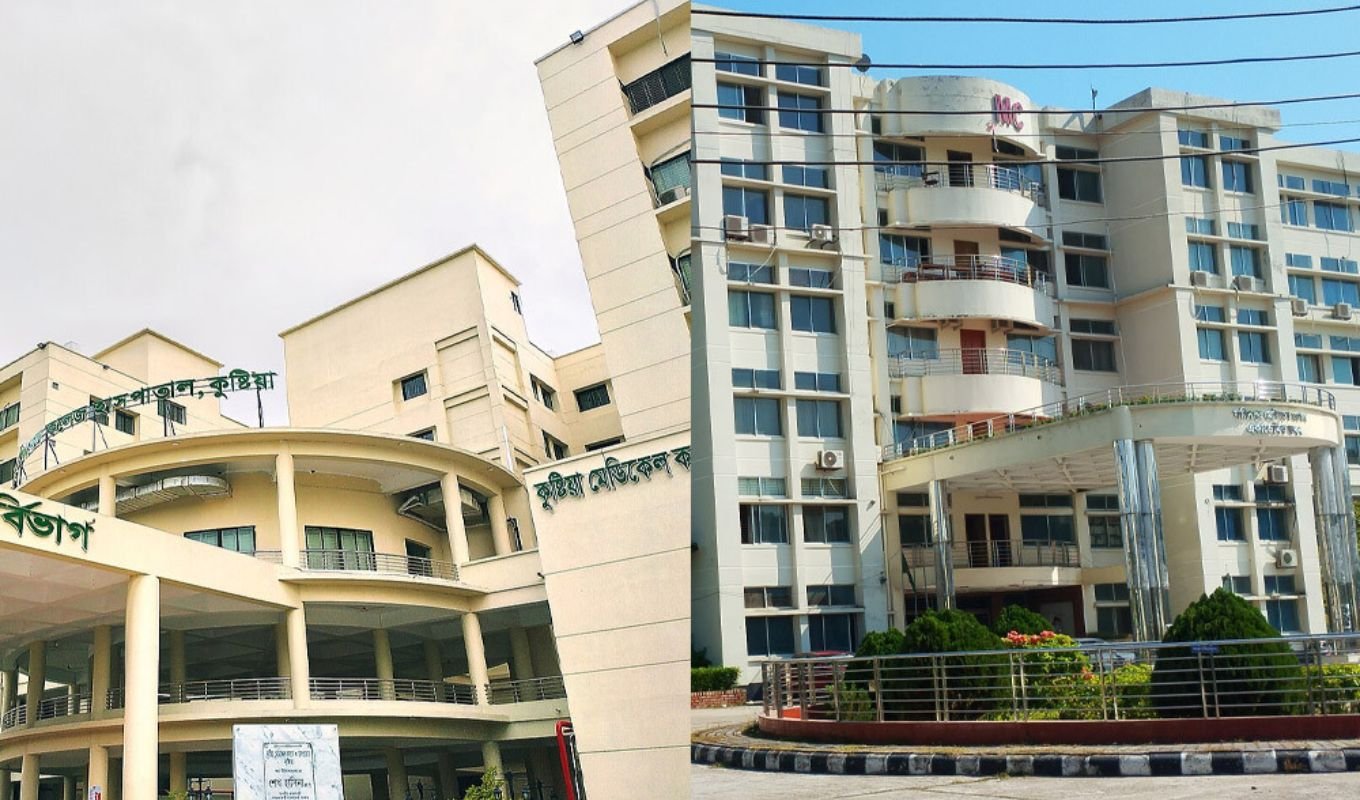
Inefficiency, corruption, and waste have reached critical levels in Bangladesh’s public healthcare sector. Despite purchasing medical equipment worth hundreds of millions of taka, much of it remains unused for years. Patients are forced to seek private care due to the lack of essential services.
At Faridpur Medical College, housewife Taslima Begum was admitted with severe chest pain. While an initial ECG was done, echocardiograms, angiograms, or required CT scans were unavailable. The cardiology department’s cath lab, costing BDT 88.8 million, has been non-functional for years, and the echo-ETT is also inactive. Lack of skilled staff forces families to pay private diagnostic fees.
Approximately BDT 550 million worth of equipment remains idle at Faridpur Medical College, including the cath lab, a BDT 230 million MRI, a BDT 48.2 million digital X-ray, and a radio therapy machine sealed for seven years. Absence of trained technicians and specialists leaves heart, stroke, and cancer patients without treatment.
Khulna Medical College faces a similar crisis. Equipment worth BDT 1.5 billion remains unused, while staff recruitment files are stalled at the Finance Ministry. Some departments operate partially, but emergency services are still closed. The hospital director stated, “Without staff, services cannot run, leading to equipment deterioration.”
At the National Institute of Neurosciences and in Valuka Upazila Health Complex, high-value equipment remains idle. Malaria testing kits and digital blood glucometers cannot be used due to missing test strips.
A review by the Bangladesh Public Procurement Authority revealed corruption, time delays, monopolised contracts, and non-functional equipment across the health sector. Payments made before delivery and poor documentation contribute to public fund wastage.
Former Planning Commission Secretary Md. Kamal Uddin remarked, “Many issues are documented, yet the Ministry has taken no action. Ensuring proper patient care is critical.”
GLIVE/TSN