
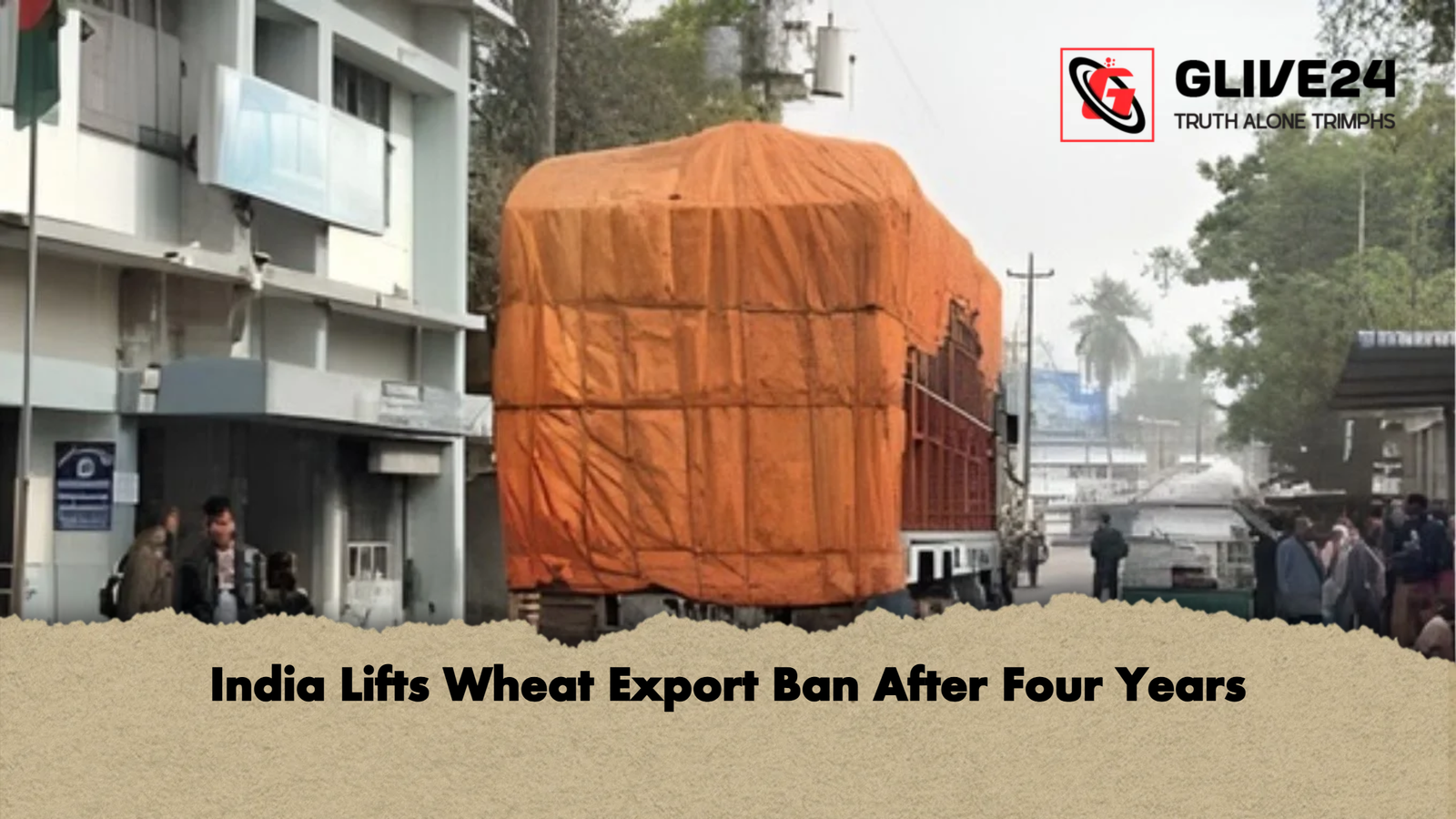
After nearly four years of suspension, India has officially lifted its ban on wheat exports as of 14 February 2026, reopening avenues for both domestic and international trade. The decision has reignited prospects for wheat imports from India, particularly through the Hili land port, where traders have already begun preparations to resume shipments.
The Indian government issued the directive through an official notification on Saturday. The original ban, imposed on 13 May 2022, was prompted by a sudden surge in domestic wheat prices, which the authorities cited as a reason to safeguard internal market stability. During the ban, Indian wheat was unavailable for export, creating a gap in the global supply chain, especially for neighbouring South Asian countries that rely on Indian grain.
Dinesh Poddar, a prominent importer operating through Hili, remarked, “The restriction on Indian wheat exports was formally lifted on Saturday. While wheat from Ukraine and Russia currently enters our market at slightly lower prices than Indian wheat, the immediate import potential from India remains limited. However, once fresh consignments arrive in the coming days, prices are expected to ease, enabling supply at more competitive rates.”
Experts suggest that India’s move could influence wheat supply and pricing across South Asia. Countries in the region are reportedly preparing to tap into Indian wheat once shipments commence. Simultaneously, the Indian government plans to monitor domestic prices closely to protect farmers’ interests and maintain market stability.
The potential impact on domestic and international markets can be summarised in the following table:
| Information Type | Current Status | Forecast / Commentary |
|---|---|---|
| Export Ban | Lifted from 14 February 2026 | Reopened after nearly four years |
| Hili Port Preparations | Importers making arrangements | Direct wheat shipments could commence within days |
| International Market | Wheat from Ukraine and Russia priced lower | Immediate imports from India remain limited due to cost |
| Domestic Prices | Indian wheat prices slightly higher | Arrival of new consignments expected to reduce prices |
| Market Reaction | Traders and importers actively engaged | Easier import procedures likely to boost domestic supply |
With the ban lifted, Indian wheat is set to re-enter the international market, contributing to more stable supply chains and enhancing food security in South Asia. Observers note that this development could provide significant relief to countries facing supply constraints while offering Indian farmers renewed export opportunities.