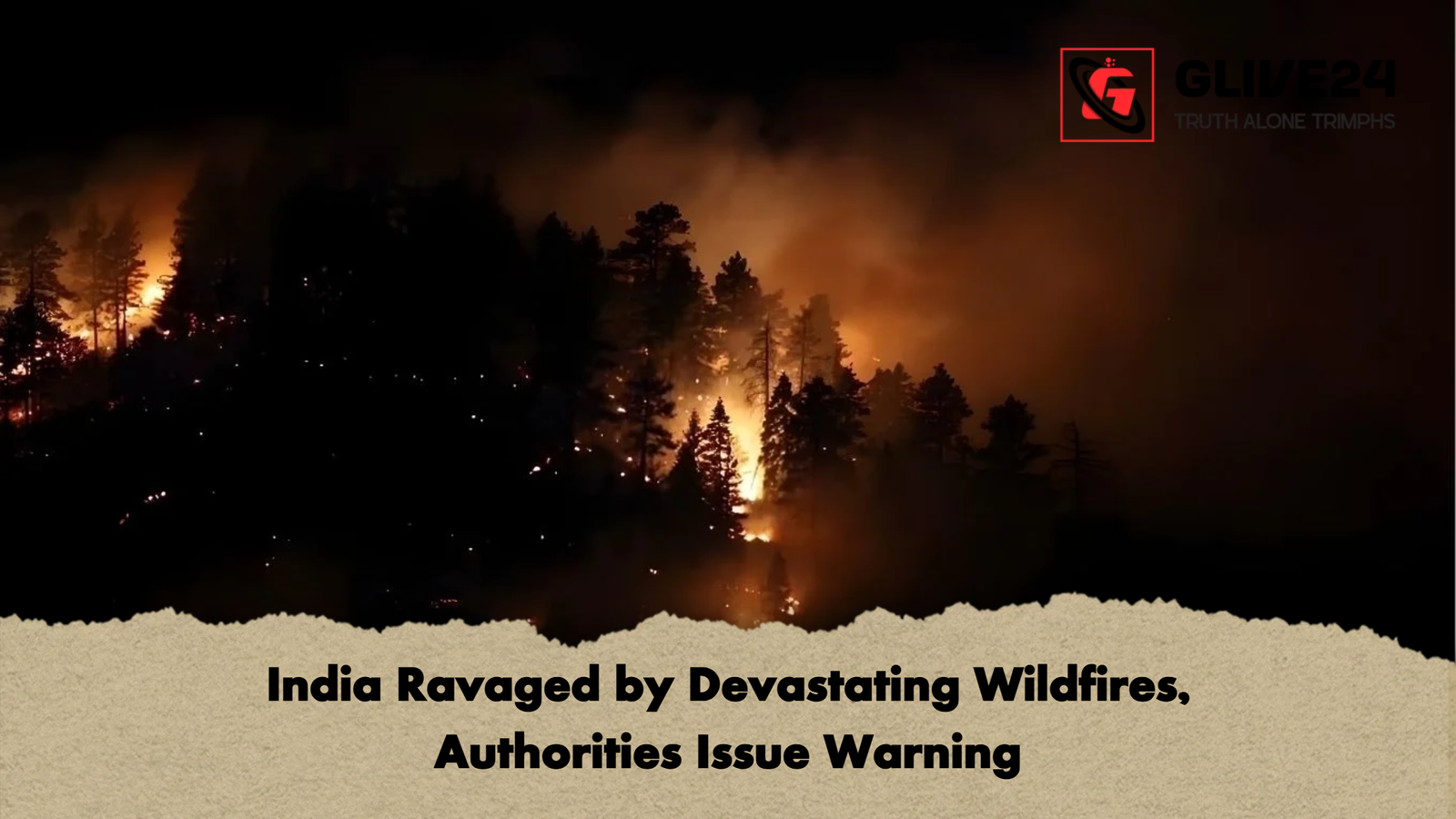
Uttarakhand, a northern Indian state renowned for its breathtaking natural beauty and rich biodiversity, is currently facing a severe wildfire crisis. The sprawling forests surrounding the world-famous Valley of Flowers and the Nanda Devi National Park have been ravaged by intense flames, threatening both flora and fauna. The situation has escalated to such a critical level that the Indian Air Force has deployed helicopters to douse the fires from the air. Even satellite imagery has captured the towering infernos, visible from space, underscoring the scale of the disaster.
According to local sources, the wildfires began in early January. Meteorologists and forestry officials have pointed out that this winter, the region has experienced almost no snowfall or rainfall. The resulting dry conditions have left the forest floor and vegetation parched, effectively creating a “powder-keg” environment primed for fire. The rugged mountainous terrain has further accelerated the spread, causing extensive damage in a remarkably short period.
The Forest Survey of India has already issued over 1,600 alerts across Uttarakhand. Environmental experts warn that climate change is contributing to increasingly warm and dry winters in the Himalayas, creating ideal conditions for such wildfires. Aside from immediate threats to wildlife, the fires are exacerbating soil erosion and increasing the risk of landslides, posing long-term environmental hazards.
A summary of the wildfire progression and response measures in Uttarakhand is presented below:
| Date | Area Affected | Situation | Action Taken |
|---|---|---|---|
| 9 December 2025 | Nanda Devi Biosphere Reserve | Fire detected via satellite | Emergency alerts issued |
| January 2026 | Valley of Flowers & surrounding forests | Rapid fire spread | Indian Air Force helicopters deployed |
| January 2026 | Other Uttarakhand forest areas | New outbreaks reported | Deployment of forest staff and local rescue teams |
Experts caution that without immediate and sustained intervention, the scale of forest destruction could multiply rapidly. Firefighting, water supply, and rescue operations are already being prioritised in the most affected regions.
This wildfire crisis is not only a threat to local communities and wildlife but also imperils the Himalayan ecosystem and the delicate climatic balance of the region. Both state authorities and central forces are working round the clock in joint operations to contain the fires and mitigate further environmental and human loss.
With climate change intensifying extreme weather events, Uttarakhand’s ongoing wildfire disaster serves as a stark reminder of the urgent need for proactive forest management and sustainable environmental policies.