
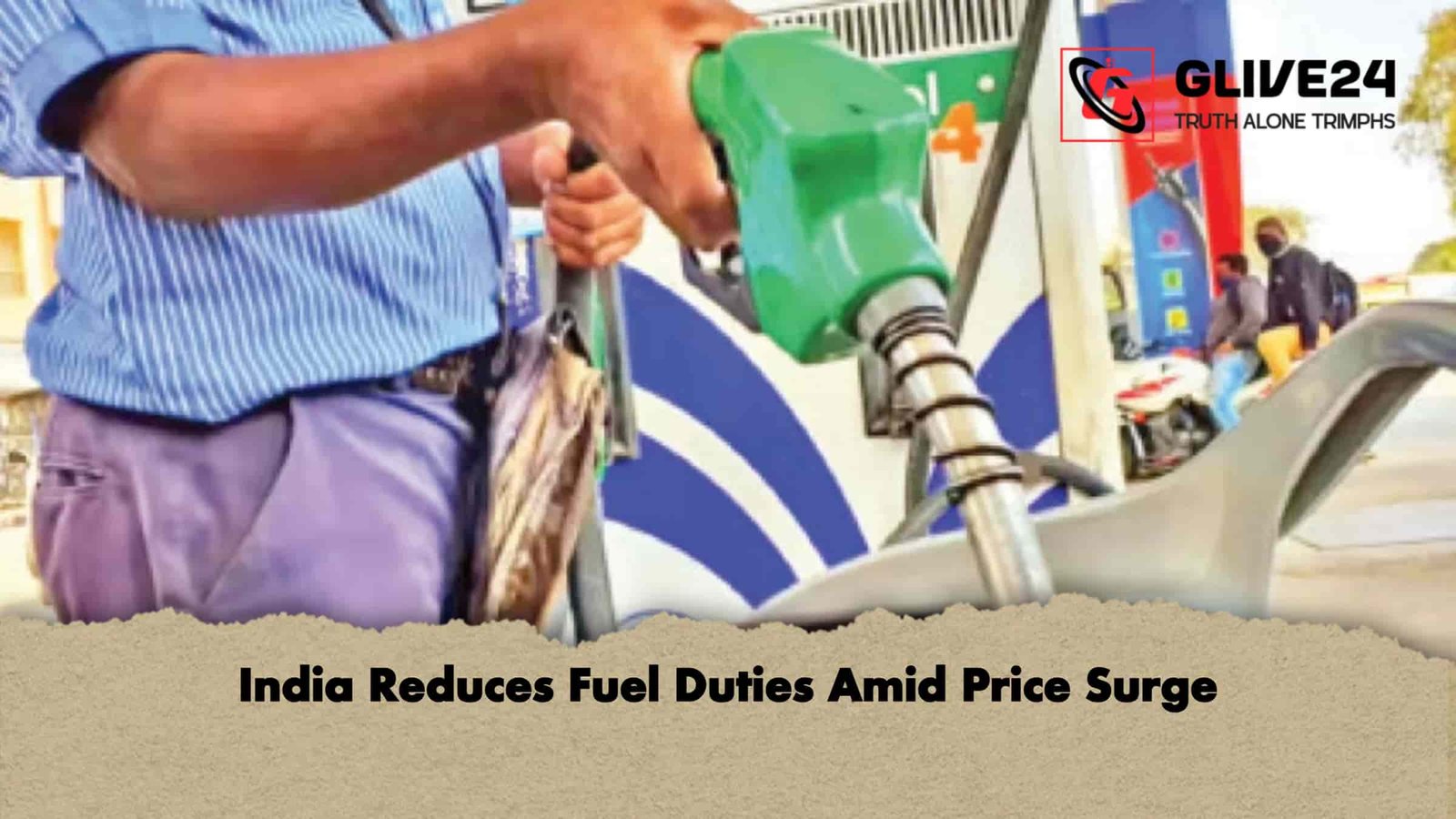
India has taken significant steps to control domestic inflation by reducing excise duties on petrol and diesel, a move aimed at easing pressure on consumers and oil marketing companies. The country’s economy, heavily dependent on energy imports, has been particularly vulnerable to rising crude prices in the international market following Middle East tensions.
The situation escalated after the joint US-Israel strike on Iran on 28 February, which effectively disrupted the Strait of Hormuz—a crucial passage for about 40% of India’s crude imports. This disruption has pushed global oil prices above $100 per barrel, further intensifying inflationary pressures in India.
Late on Thursday, India’s Ministry of Finance announced a reduction in petrol excise duty from ₹13 per litre to ₹3 per litre. Diesel duties were entirely removed, falling from ₹10 per litre to zero. While the government has not disclosed the exact revenue impact, economists warn of a substantial fiscal cost.
The timing of the reduction coincides with upcoming elections in four states and one union territory next month. Historically, fuel price increases have significantly influenced voter sentiment, making this move politically and economically strategic.
Union Oil Minister Hardeep Singh Puri wrote on the social media platform X that oil companies were incurring losses of approximately ₹24 per litre on petrol and ₹30 per litre on diesel due to elevated international prices. The excise cut is intended to offset these losses and maintain market stability.
According to Madhavi Arora, an economist at ICICI Global, the annual revenue loss for the government could reach ₹1.55 trillion. Nevertheless, the measure is expected to reduce oil marketing companies’ annual losses by 30–40% at current prices.
State-owned oil companies, which dominate about 90% of India’s retail fuel market, do not always pass global price hikes directly to consumers. This policy mechanism offers some protection against sudden price shocks.
To discourage exports and preserve domestic supply, India has imposed export duties of ₹21.5 per litre on diesel and ₹29.5 per litre on aviation turbine fuel. Between April last year and January this year, India exported 14 million metric tonnes of petrol and 23.6 million metric tonnes of diesel. Most refineries have now suspended exports, with Reliance Industries remaining the largest exporter.
Finance Minister Nirmala Sitharaman has assured that there will be no domestic shortage of petrol, diesel, or jet fuel. Oil marketing companies will also receive support to prevent price increases from affecting citizens.
As the world’s third-largest crude importer, India remains highly sensitive to global energy fluctuations, making these fiscal and regulatory measures essential for stabilising both consumer prices and the oil sector’s profitability.
Summary of India’s Fuel Duty Adjustments
| Fuel Type | Previous Excise Duty (₹/litre) | Current Excise Duty (₹/litre) | Export Duty (₹/litre) | Expected Reduction in Company Losses (%) |
|---|---|---|---|---|
| Petrol | 13 | 3 | — | 30–40 |
| Diesel | 10 | 0 | 21.5 | 30–40 |
| Aviation Turbine Fuel | — | — | 29.5 | N/A |
Sources: Reuters, Ministry of Finance, ICICI Global.