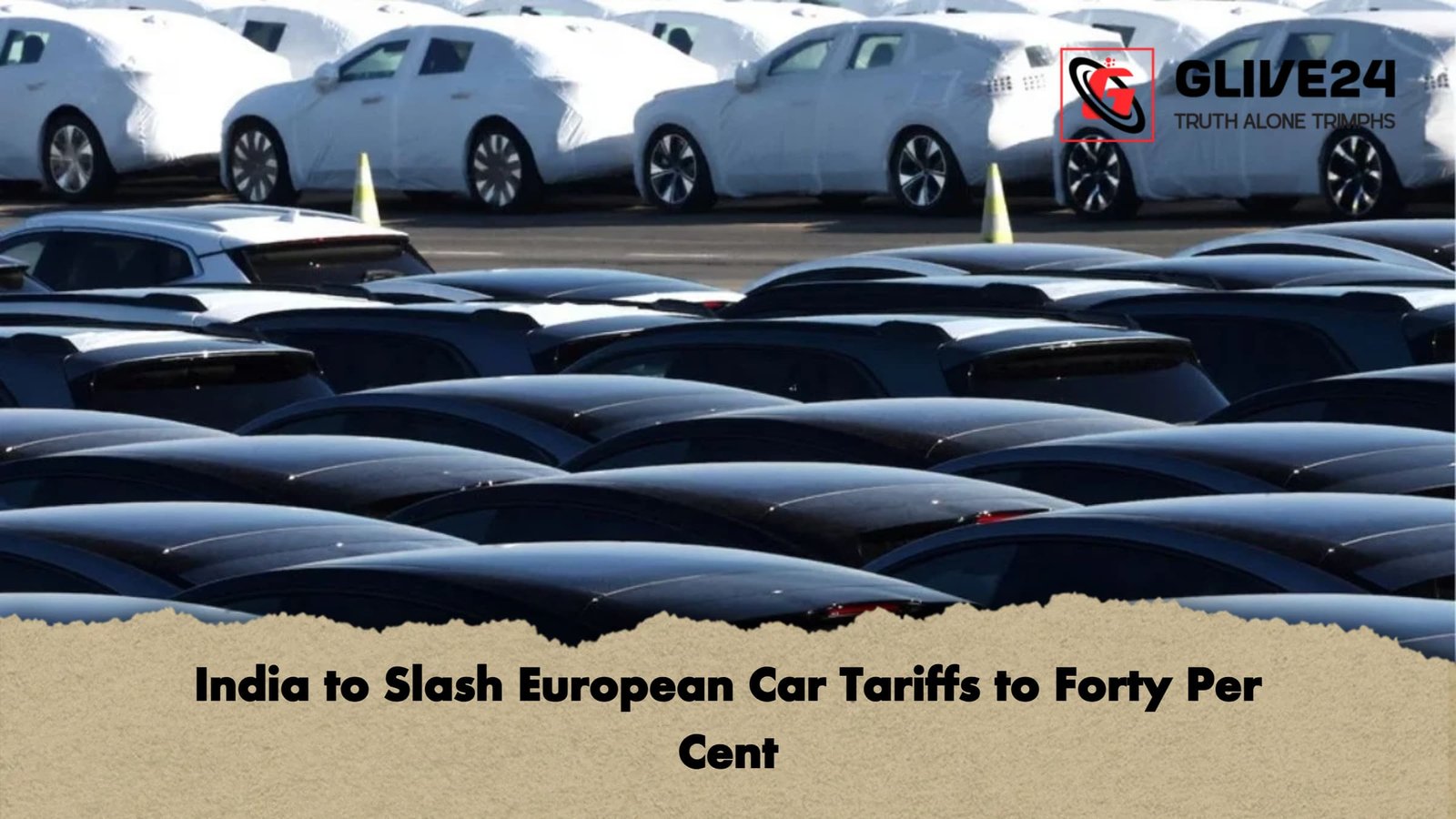
In what is being hailed as a transformative moment for the global automotive trade, the Indian government is reportedly set to slash import duties on European vehicles from a prohibitive peak of 110 per cent to 40 per cent. This dramatic reduction serves as the cornerstone of a burgeoning Free Trade Agreement (FTA) between India and the European Union (EU), with high-level sources suggesting a final accord could be ratified as early as Tuesday.
Table of Contents
A Strategic Opening of the Indian Market
For years, India has maintained some of the highest automotive tariffs in the world to protect its domestic manufacturing base. However, as Prime Minister Narendra Modi’s administration seeks to deepen ties with the 27-member European bloc, the government appears ready to offer unprecedented market access.
The proposed concessions will primarily benefit the premium segment, specifically targeting vehicles with an import value exceeding €15,000. This shift is expected to provide a significant competitive advantage to elite European manufacturers, most notably Volkswagen, Mercedes-Benz, and BMW, who have long lobbied for a more level playing field in the world’s most populous nation.
Projected Duty Reductions for EU Automobiles
| Phase of Agreement | Import Duty Rate | Target Vehicle Category |
| Current Rate | 110% (Maximum) | All fully built units (CBUs) |
| Immediate Post-FTA | 40% | Luxury/Premium (>€15,000) |
| Long-term Target | 10% | Gradual reduction over 10 years |
The Road to Ten Per Cent
The liberalisation of the sector is planned as a strategic, phased withdrawal of protectionist barriers. Following the initial drop to 40 per cent, the tariff is expected to undergo a “glide path” reduction, eventually settling at just 10 per cent over the coming decade.
This gradual approach is a calculated move to balance two competing interests:
Consumer Choice: Providing the growing Indian middle and upper classes with easier access to high-end European engineering.
Domestic Protection: Ensuring local giants such as Tata Motors and Mahindra are not overwhelmed by an immediate influx of cheaper foreign imports, allowing them time to enhance their own technological capabilities.
Broader Economic Significance
The timing of this breakthrough is critical. As India positions itself as a global alternative to Chinese manufacturing, securing an FTA with the EU—India’s second-largest trading partner—is a major diplomatic win. In exchange for lowering automotive barriers, New Delhi is expected to secure improved “Mode 4” access for its skilled professionals (such as IT engineers and doctors) to work in Europe, alongside reduced tariffs on Indian textiles and leather goods.
[Image representing the strengthening trade corridor between the European Union and the Republic of India]
If the deal is finalised this week, it will represent the most significant opening of the Indian economy to the West in over three decades, potentially ushering in a new era of luxury motoring on the subcontinent.