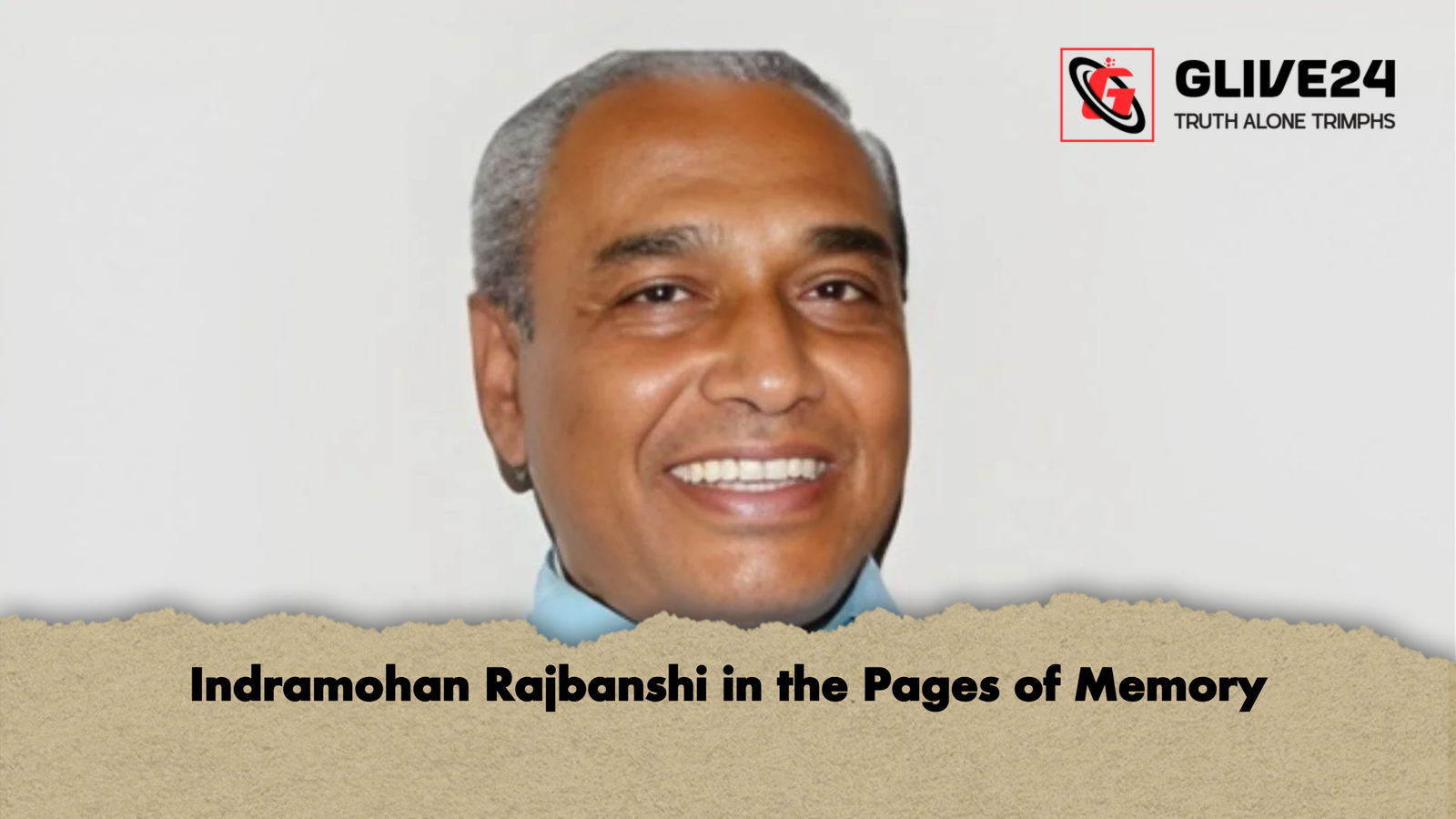
“Ke Ke Jabi Aye Re, Chol Jai Re”—the song, the voice, the spirit of Indramohan Rajbanshi, continues to resonate in the hearts of Bengalis everywhere.
Indramohan Rajbanshi (26 January 1946 – 7 April 2021) was far more than a singer. He was a freedom fighter, a folk music archivist, and a sound engineer for the Swadhin Bangla Betar Kendra, the clandestine radio station that became the heartbeat of Bangladesh’s Liberation War in 1971. Through his voice, he did not merely sing melodies; he ignited courage, determination, and a call for liberation among those fighting for their nation. In the tumultuous months of the Liberation War, his songs blazed through the airwaves, inspiring fighters on the battlefield and civilians alike, proving that the power of song could rival any weapon in the fight for freedom.
Born in Dhaka into a family of musicians, Rajbanshi inherited the rhythms and harmonies of his lineage. All five male members of his family were associated with music, and he carried this legacy forward with exceptional dedication. His musical journey began in 1957 when he sang on the children’s programme of Bangladesh Betar. A decade later, he made his cinematic debut as a playback singer in the film Chena Ochena (1967).
During the Liberation War, he risked his life to protect persecuted minorities, initially working covertly as an interpreter for the Pakistani forces. Soon, he joined the Swadhin Bangla Betar Kendra as a direct voice of resistance, where his songs became a language of defiance.
Rajbanshi’s mastery extended across nearly every form of Bengali folk music—Bhawaiya, Bhatiali, Jari, Sari, Murshidi—while he simultaneously earned recognition as an accomplished Rabindra Sangeet performer. Beyond performance, he was a relentless collector of folk songs, traversing the country and archiving hundreds of thousands of compositions by countless poets, thus preserving a unique treasure of Bengali culture.
He held the position of Head of the Folk Music Department at a renowned music college and founded the Bangladesh Folk Culture Council, championing the preservation and propagation of folk traditions. In recognition of his lifelong contributions to music, he was awarded the Ekushey Padak in 2018, one of the nation’s highest civilian honours.
Indramohan Rajbanshi’s legacy lives on not only in his recordings but also in his family. His wife, Dipti Rajbanshi, and son, Robin Rajbanshi, continue to engage with folk music, carrying forward the family’s musical heritage.
Though he passed away on 7 April 2021, his voice, his songs, and his spirit of struggle remain immortal in the memory of the Bengali people.
Table: Key Facts of Indramohan Rajbanshi
| Fact | Detail |
|---|---|
| Birth | 26 January 1946, Dhaka |
| Death | 7 April 2021 |
| Professions | Singer, Folk Music Collector, Sound Engineer, Freedom Fighter |
| Music Genres | Bhawaiya, Bhatiali, Jari, Sari, Murshidi, Rabindra Sangeet |
| Career Milestones | Debut on Bangladesh Betar (1957), Playback Singer in Chena Ochena (1967) |
| Leadership | Head of Folk Music Dept., Bangladesh Folk Culture Council Founder |
| Awards | Ekushey Padak (2018) |
| Family | Wife: Dipti Rajbanshi; Son: Robin Rajbanshi |
Indramohan Rajbanshi remains a luminous figure in the cultural and historical landscape of Bangladesh—a voice that continues to echo courage, tradition, and freedom.