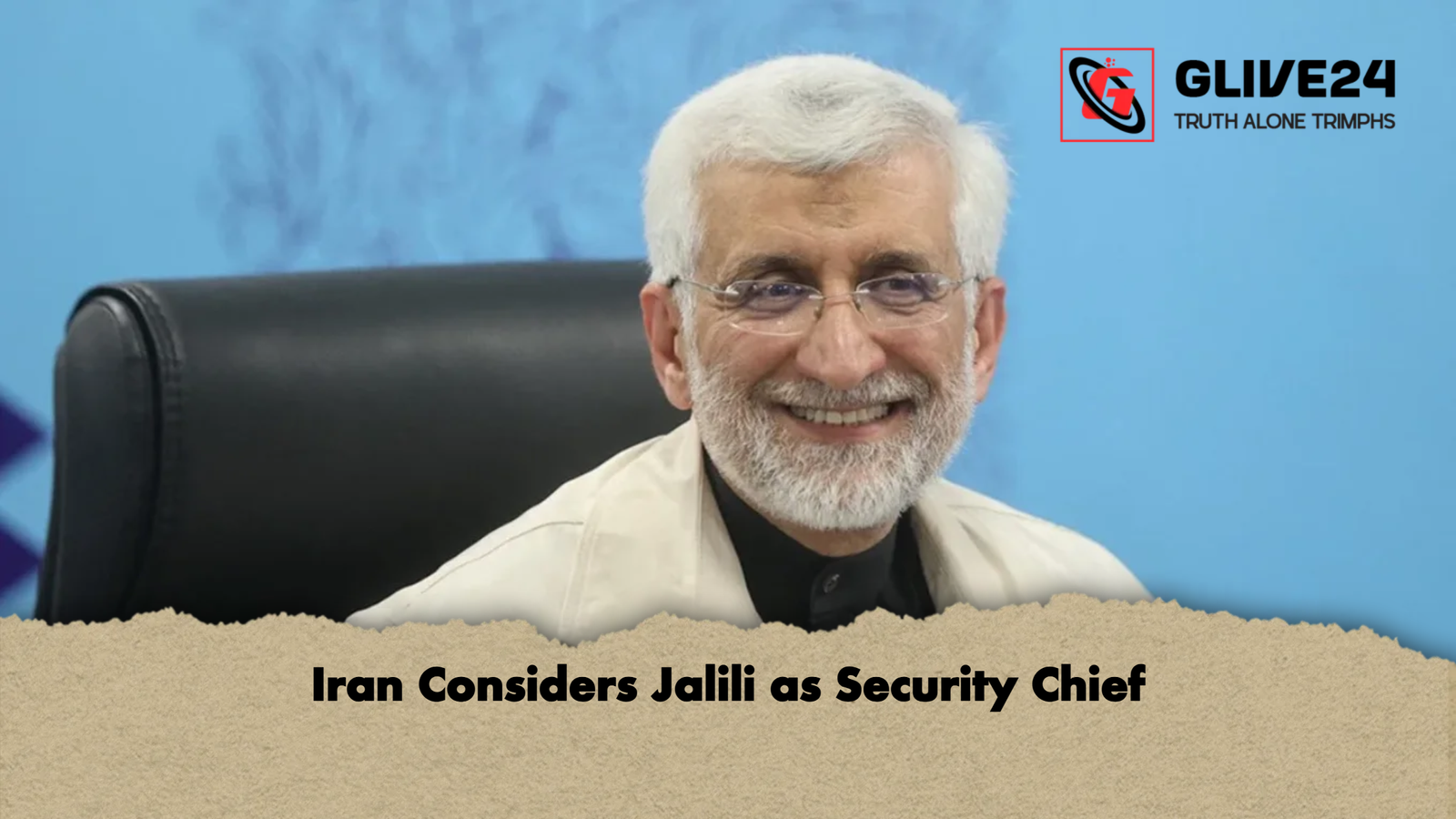
Following the assassination of Ali Larijani, Tehran is reportedly considering Saeed Jalili, former top official of the Supreme National Security Council, as the nation’s next head of security.
According to multiple media reports citing unnamed sources, Iranian authorities are evaluating Jalili as a potential successor to Larijani, who served as the Secretary of the Supreme National Security Council until his recent death. Jalili, widely regarded as a hardline Iranian figure, is known for his extensive experience in both diplomacy and domestic politics, having played a pivotal role in shaping Iran’s security and foreign policy strategy over the past decade.
Observers note that Jalili’s expertise includes negotiating international agreements, managing crisis situations, and maintaining internal security coordination. Analysts suggest that his appointment would signal Tehran’s intention to pursue a firm and assertive approach to national security amidst rising regional tensions.
The context for this leadership consideration stems from a recent Israeli airstrike targeting key Iranian officials. Both Ali Larijani and Basij commander Gholamreza Soleimani were reportedly killed in the strike, marking a significant escalation in the ongoing Israel-Iran confrontation. In retaliation, Iran’s Islamic Revolutionary Guard Corps (IRGC) launched a substantial counterattack, reportedly targeting over 100 military and strategic sites within Israel using four different types of advanced missiles. The IRGC claims that the strikes resulted in over 200 casualties.
The following table summarises the recent developments in the Iran-Israel security confrontation:
| Event | Date/Timeframe | Target | Outcome |
|---|---|---|---|
| Israeli airstrike on Iran | Recent | Ali Larijani, Gholamreza Soleimani | Both killed |
| IRGC retaliatory missile strikes | Immediately after | 100+ military and strategic sites in Israel | Over 200 reported casualties |
| Potential new Iranian security chief | Ongoing | Saeed Jalili considered for role | Pending official appointment |
Experts argue that appointing Jalili as national security chief would likely consolidate Iran’s hardline security posture, ensuring a more centralised and coordinated command structure. His leadership could also influence Iran’s regional strategy, particularly in the Persian Gulf and Levant, while signalling Tehran’s resolve in deterring external threats.
The assassination of Larijani and the subsequent tit-for-tat exchanges underscore the fragility of regional security. With tensions between Tehran and Tel Aviv intensifying, the choice of Jalili as security chief could have far-reaching implications for the stability of the Middle East, potentially shaping Iran’s defensive and offensive strategies for years to come.