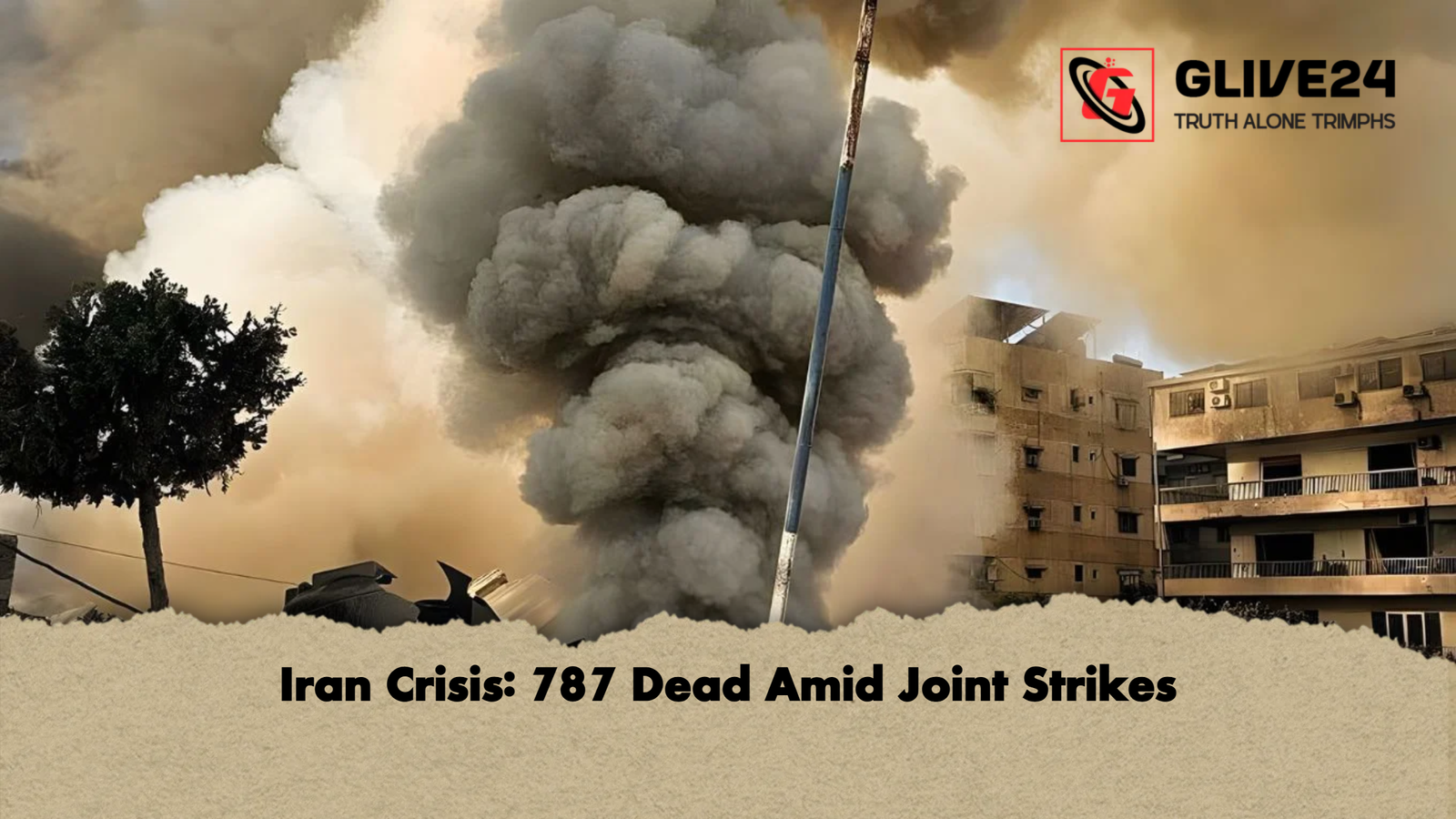
The Iranian Red Crescent Society has reported that at least 787 people have been killed across Iran since last Saturday, following a series of joint military strikes conducted by the United States and Israel. Among the dead are 176 children, while a total of 742 victims are confirmed to be civilians, according to the US-based human rights organisation, HRANA.
Fatemeh Mohammadbeigi, a member of the Iranian Parliament’s Health Committee, revealed on Monday that evidence of attacks has been recorded in nine hospitals nationwide. “The assaults on healthcare infrastructure are creating a severe risk to public life. We are struggling to provide adequate treatment to the injured,” she stated.
According to Red Crescent data, more than 1,000 separate strikes have been carried out across 153 cities and over 500 locations in Iran since the conflict began, resulting in significant casualties and initial damage.
The following table summarises key figures from the ongoing attacks:
| Category | Number / Description |
|---|---|
| Total deaths | 787 |
| Children killed | 176 |
| Civilian deaths | 742 |
| Hospitals affected | 9 |
| Cities attacked | 153 |
| Locations targeted | 500+ |
| Total strikes | 1,000+ |
However, the targeting of specific sites has sparked controversy. The Israeli Defence Forces (IDF) have denied targeting Tehran’s Gandhi Hospital, asserting that no deliberate attack on hospitals has taken place. In contrast, Iran’s Ministry of Foreign Affairs has accused both nations of striking medical facilities.
Human rights organisations and international observers have expressed deep concern over the potential long-term effects on civilian safety and daily life should the attacks continue. Efforts are already underway to deliver emergency assistance from local and international funds.
Analysts warn that the scale of the conflict is inducing widespread fear and social disruption among ordinary citizens, and without rapid progress towards peace, the situation could deteriorate further. International agencies are currently monitoring casualty figures and assessing initial damage, while experts stress that humanitarian aid and compensation mechanisms are urgently required.
This crisis underscores the precarious position of Iranian civilians, particularly children, whose lives are now at heightened risk. Experts indicate that controlling the situation without coordinated international intervention will remain a formidable challenge.