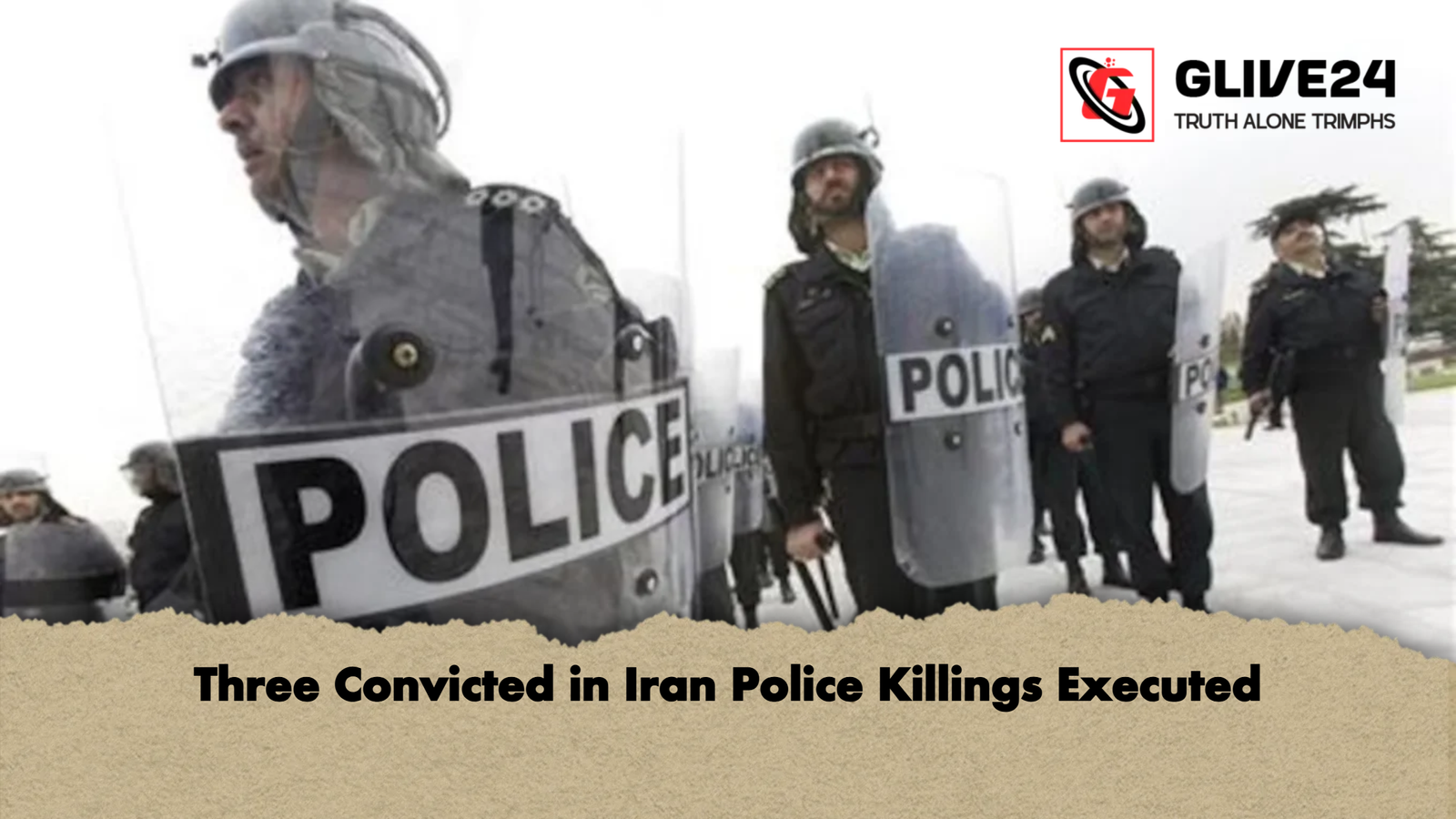
Iran has executed three individuals convicted of killing police officers during nationwide anti-government protests earlier this year, the country’s judiciary confirmed on Thursday.
According to the AFP news agency, the unrest began in late December of the previous year as demonstrations against rising living costs. These protests quickly escalated into widespread anti-government movements, reaching a peak on 8 and 9 January, when clashes between security forces and protesters intensified.
The judiciary’s official news website, Mizan Online, reported: “This morning, three individuals found guilty of committing murders and conducting operations on behalf of Zionist regimes and the United States during January unrest were executed.” The report added that the executed individuals were implicated in the deaths of two law enforcement officers. They were found guilty of “Moharebeh,” an Islamic legal term meaning “waging war against God,” which carries a death sentence under Iranian law.
Iranian authorities have emphasised that although the December demonstrations initially began peacefully, they later transformed into violent riots “incited by foreign elements,” resulting in killings and widespread property destruction. Tehran has acknowledged that more than 3,000 people, including security personnel and civilians, lost their lives during the unrest. The government has described these incidents as “terrorist acts.”
By contrast, the United States-based human rights organisation, Human Rights Activists News Agency (HRANA), reported that the death toll exceeds 7,000, claiming that the majority of those killed were protesters. HRANA has expressed concern that the actual number of fatalities could be considerably higher.
The following table summarises the key details of the unrest and subsequent judicial actions:
| Aspect | Details |
|---|---|
| Trigger | Protests against rising living costs (Dec 2025) |
| Peak Dates | 8–9 January 2026 |
| Executed Individuals | 3 |
| Charges | Police killings, Moharebeh (‘waging war against God’), acting on behalf of foreign powers |
| Government-reported Deaths | ~3,000 (security forces and civilians) |
| HRANA-reported Deaths | 7,000+ (predominantly protesters) |
| Government Characterisation | “Terrorist acts” |
| Human Rights Concerns | Potentially higher death toll, civilian targeting |
This execution represents one of the most severe judicial responses in Iran’s recent political turmoil, highlighting the ongoing tension between state authorities and civil society. International observers have criticised Tehran’s heavy-handed approach, warning that such measures may further inflame domestic unrest and exacerbate human rights violations.
The January unrest and its aftermath continue to draw global attention, raising questions about accountability, proportionality in state response, and the broader implications for civil liberties in Iran.