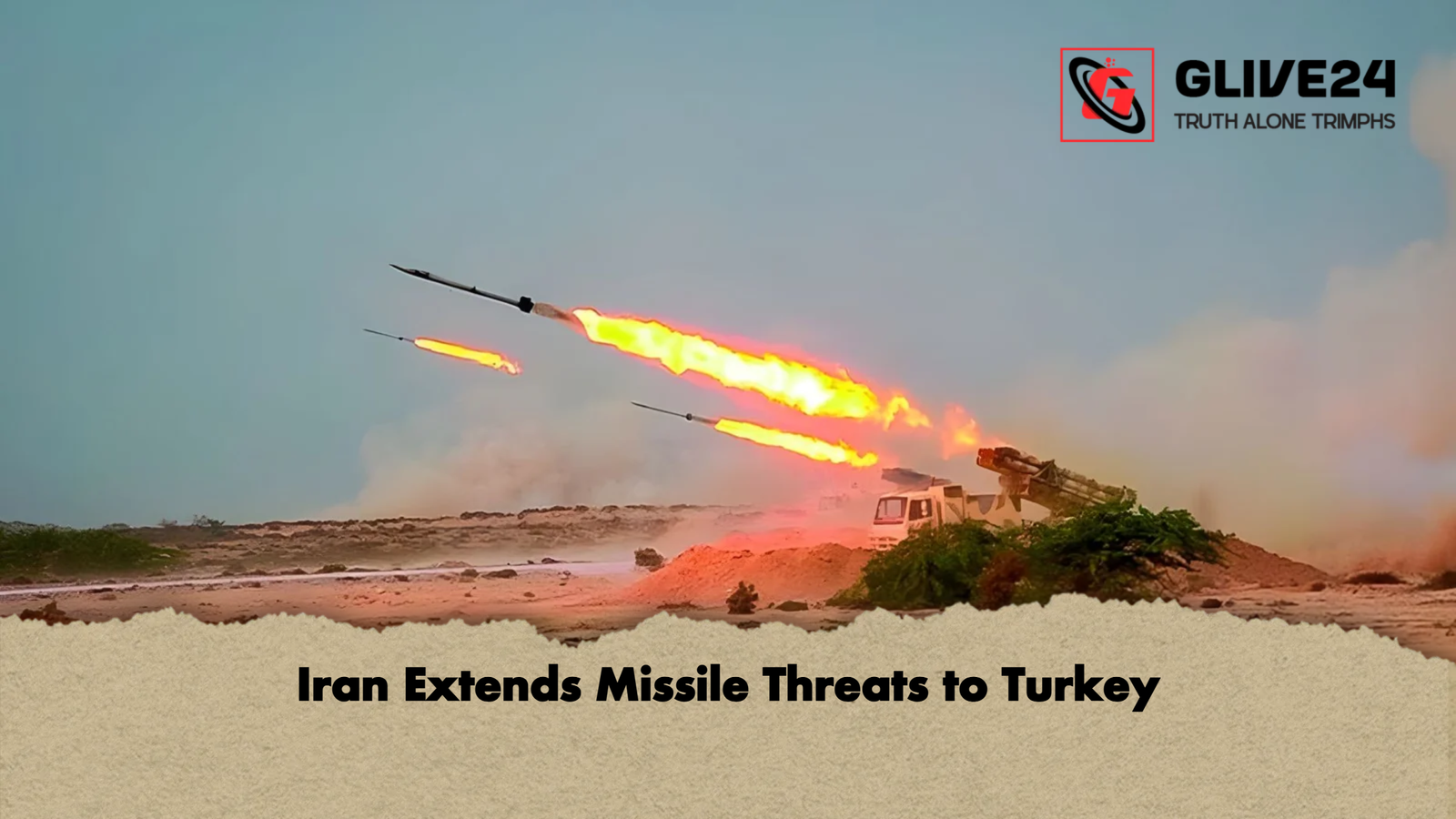
Political tensions in the Middle East have intensified dramatically in recent weeks. Following the joint strike by Israel and the United States on Iranian targets on 28 February 2026, Tehran has embarked on a course of retaliatory action. While previous Iranian missile and drone attacks primarily affected neighbouring countries, recent reports indicate that Iran has now attempted to extend its strike range to Turkey.
Although Turkey does not host a permanent US military base, it is a key NATO member and houses numerous joint military facilities operated in collaboration with Western allies. Across Ankara and other major Turkish cities, these installations serve as strategic hubs where NATO and US forces conduct training exercises and operational planning. This makes Turkey a potential target for Iranian retaliatory measures aimed at American and allied interests.
On Wednesday, 4 March, the Turkish Ministry of Defence confirmed that a ballistic missile, launched from Iranian territory, was heading towards Ankara. The missile was intercepted and destroyed by NATO’s integrated air defence system before entering Turkish airspace. Specific details regarding the intended target within the city or the interception procedure have not been disclosed.
Analysts suggest that Iran’s apparent objective was to damage sites linked to US or Western strategic interests, including NATO facilities within Turkey. Experts further note that this development signals a shift in Iran’s approach: Tehran is increasingly willing to carry out bold, strategic retaliatory attacks in response to prior strikes. The missile attempt against Turkey may therefore represent a new phase in Iran’s regional posture, reflecting both escalation and a demonstration of military reach.
Below is a summary of key recent events:
| Event | Date | Location | Target | Outcome |
|---|---|---|---|---|
| Israel-US airstrike | 28 Feb 2026 | Iran | Iranian military infrastructure | Significant damage; heightened regional tensions |
| Iranian missile & drone attacks | March 2026 | Middle East | US/Western interests | Multiple strikes; partially intercepted |
| Iranian missile attack | 4 Mar 2026 | Turkey (Ankara) | NATO facility | Intercepted by NATO air defence |
Political analysts warn that tensions across the region could escalate further. NATO member states are reportedly reviewing and strengthening their security protocols in response. Turkey’s successful missile interception not only safeguarded its capital but also underscored Iran’s emerging capability to exert direct pressure on NATO countries.
As the cycle of retaliation broadens, diplomatic efforts are intensifying, with international actors seeking to prevent the situation from spiralling into a larger conflict. The coming weeks are likely to be critical for regional stability, as Tehran’s assertive strategy continues to challenge both neighbouring states and the wider international community.