
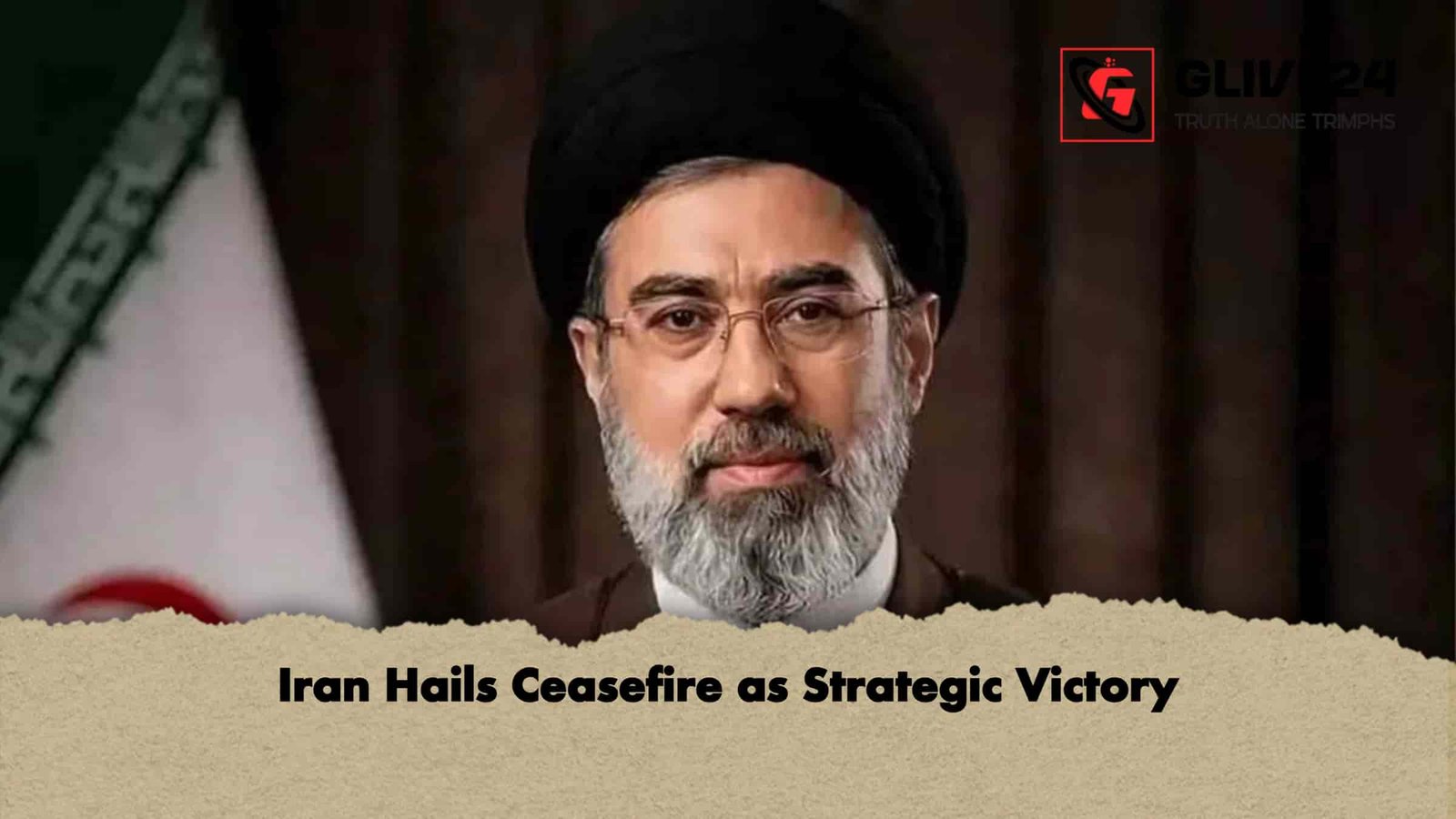
Iran has officially endorsed a temporary two-week ceasefire with the United States, brokered under Pakistan’s mediation, framing the agreement as a symbolic triumph for Tehran. The accord, formally approved by Iran’s newly appointed Supreme Leader Ayatollah Mojtaba Khamenei, is described by officials as a preliminary step toward a lasting resolution rather than a conclusive end to hostilities.
The Supreme National Security Council of Iran confirmed the agreement in a statement, emphasising Pakistan’s central role in facilitating the negotiations. Islamabad’s mediation, led by Prime Minister Shehbaz Sharif and Field Marshal Asim Munir, was credited with bridging communication gaps between Washington and Tehran.
Ceasefire Overview
| Parameter | Details |
|---|---|
| Duration | 14 days |
| Mediator | Pakistan |
| Iranian Authority | Supreme Leader Ayatollah Mojtaba Khamenei |
| US Authority | President Donald Trump |
| Follow-up Talks | Scheduled in Islamabad |
| Start Date of Talks | Friday, 10 April 2026 |
| Main Objective | Negotiate long-term peace and stability |
| Strategic Outcome | Safe navigation of the Strait of Hormuz |
According to statements released by Mehr News Agency, Iranian authorities are framing the ceasefire as “Iran’s victory,” reflecting domestic political messaging and national morale. However, officials are careful to note that the temporary truce does not signify a final settlement. Instead, it provides a diplomatic window to pursue more durable solutions through face-to-face negotiations.
Background and Regional Implications
Tensions escalated recently after US President Donald Trump threatened a major military strike against Iran. Responding to Pakistan’s intervention, Trump agreed to delay any offensive action for two weeks. In exchange, Iran consented to allow secure maritime passage through the Strait of Hormuz, a critical route for global oil shipments. Analysts predict that this step could ease pressure on international energy markets and reduce the risk of supply disruptions.
The upcoming talks in Islamabad are expected to focus on establishing mechanisms for permanent cessation of hostilities, confidence-building measures, and broader regional security arrangements. While Iran has welcomed the ceasefire as a diplomatic opportunity, it remains cautious regarding US intentions, underlining the delicate balance between cooperation and strategic vigilance.
Regional experts have described the agreement as a “preliminary diplomatic achievement” and praised Pakistan’s role in facilitating communication between the two historically tense actors. Both sides now face the challenge of converting this short-term truce into a framework for lasting peace.
Sources: Mehr News Agency, Al Jazeera, Reuters