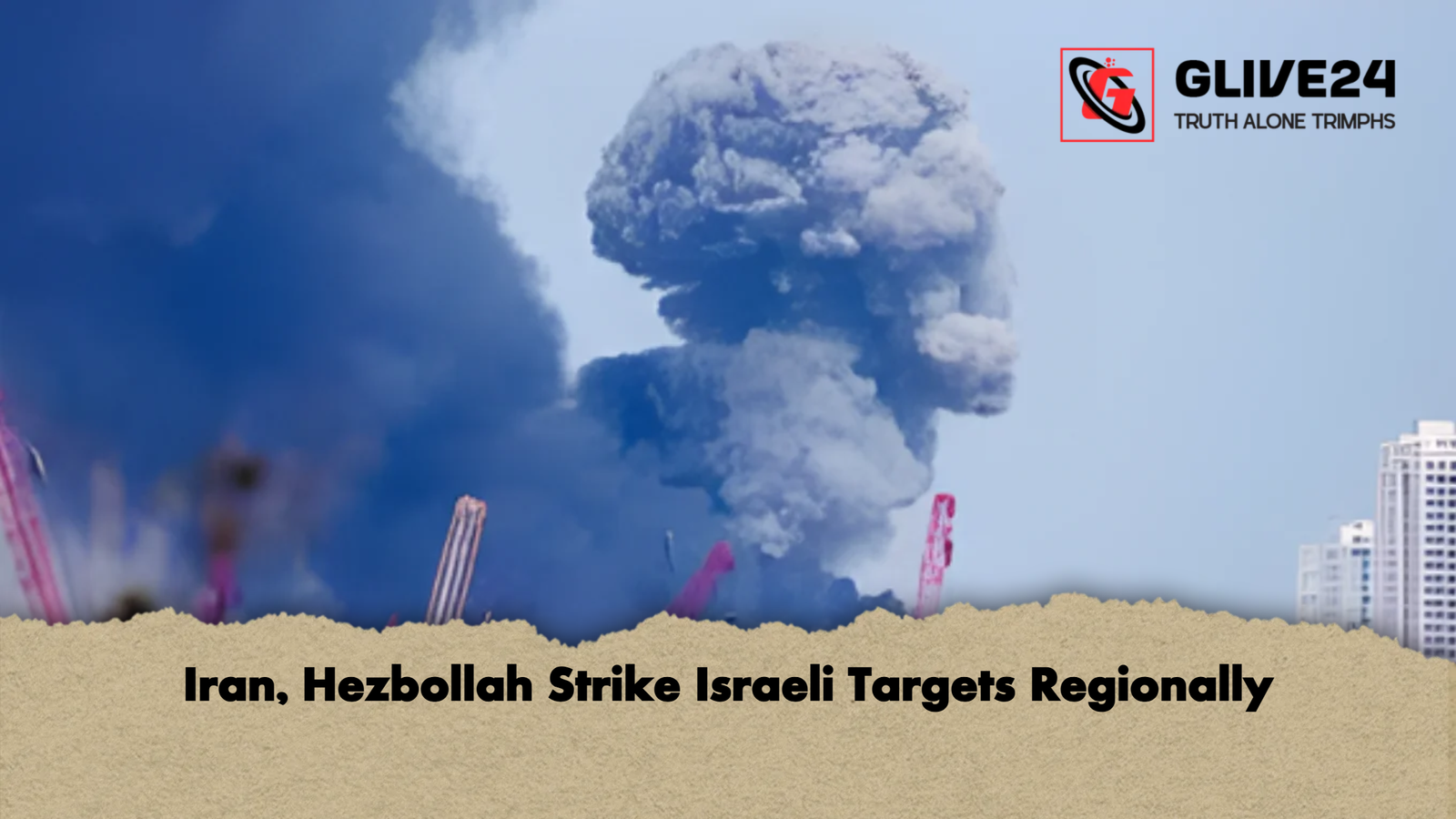
Tensions in the Middle East have surged following separate but coordinated attacks involving Iran and the Lebanese militant group Hezbollah, targeting Israeli diplomatic and military assets. On 5 March 2026, Iran reportedly launched a drone strike aimed at the Israeli embassy in Bahrain, while Hezbollah simultaneously carried out assaults on Israeli positions and infrastructure in Lebanon and the occupied Golan Heights. These developments underscore the heightened volatility in the region and the expanding reach of proxy confrontations.
Table of Contents
Drone Attack on Israeli Embassy in Bahrain
Late on Thursday night, local time, Iranian forces are reported to have deployed a drone to strike the Financial Harbour Towers in Manama, a commercial complex housing the Israeli embassy. The operation was confirmed by Iran’s semi-official Fars News Agency, which indicated the embassy’s presence made the building a strategic target.
Fars News described the strike as a direct blow to Israeli interests. However, Reuters reported that Bahraini authorities or security forces intercepted the drone before it could reach its target, preventing any significant damage or casualties. Officials in Manama have confirmed that, to date, no injuries or structural damage have been reported, though heightened security measures remain in effect.
Hezbollah’s Cross-Border Assaults
In parallel, early on Friday morning, Hezbollah publicly claimed responsibility for a series of attacks targeting Israeli military personnel and strategic facilities. According to a statement issued via the group’s Telegram channel, its fighters engaged Israeli forces near Maroun al-Ras and Kafr Kila, along the Lebanon-Israel border. The operations also extended to the Yovh military camp in the occupied Golan Heights and a naval installation at Haifa port, indicating a multi-pronged offensive against both land and maritime assets.
No immediate reports of casualties have emerged. However, prior to the attacks, Hezbollah had issued warnings for civilians in Israeli settlements close to the border to evacuate, emphasising the potential risk to populations in contested areas.
Regional Implications and Strategic Context
Analysts suggest these incidents reflect a broader pattern of escalating proxy tensions involving Iran, Hezbollah, and Israel. Bahrain’s inclusion highlights the regional spread of such confrontations, as drones and remote warfare technology increasingly enable attacks on diplomatic and military targets across national boundaries.
The timing of the strikes coincides with a period of heightened alert across Israel, with embassies and strategic installations reportedly operating under reinforced security protocols. Observers have warned that any miscalculation or retaliatory action could escalate rapidly, potentially involving multiple regional actors and complicating international diplomatic efforts.
Summary of Recent Strikes
| Aspect | Details |
|---|---|
| Date | 5–6 March 2026 |
| Locations | Manama (Bahrain), Maroun al-Ras & Kafr Kila (Lebanon-Israel border), Yovh military camp (Golan Heights), Haifa port (Israel) |
| Perpetrators | Iran (drone strike), Hezbollah (militant operations) |
| Targets | Israeli embassy (Manama), Israeli ground troops, military installations, naval facility |
| Outcome | Drone destroyed before impact; no immediate casualties or major damage reported |
| Warnings | Hezbollah advised border-adjacent Israeli settlements to evacuate |
| Sources | Fars News Agency, Reuters, Hezbollah Telegram statements |
Outlook
While no significant damage or casualties have been reported so far, the attacks mark a significant escalation in the ongoing proxy confrontations across the Middle East. Experts caution that these events may prompt further retaliatory strikes, potentially destabilising regional security and diplomatic relations. International observers continue to monitor developments closely, advocating restraint and diplomatic dialogue to prevent a broader conflict.
The dual attacks illustrate the increasingly complex and multi-layered nature of regional hostilities, combining drone warfare, cross-border insurgency, and threats to both civilian and military targets. Analysts warn that the current situation remains fragile, with even minor incidents capable of triggering wider escalation.