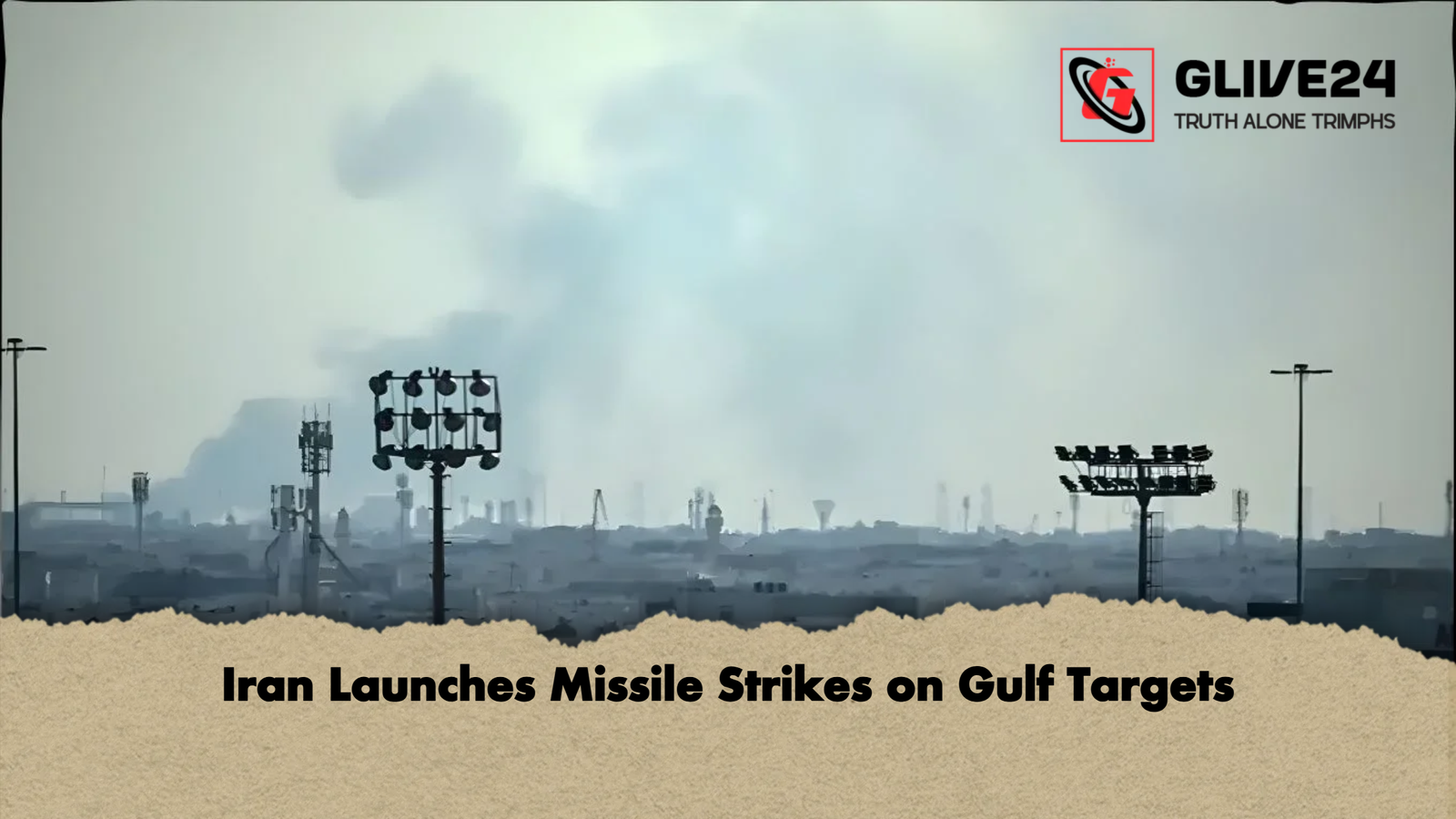
Iranian forces have conducted a series of missile strikes targeting multiple strategic sites, including the Ali Al Salem Air Base in Kuwait and hostile naval assets in the northern Indian Ocean. According to official Iranian statements, the operations were carried out in retaliation for recent attacks by the United States and Israel that resulted in the death of a senior leader of the Islamic Republic.
Details of the Assault
The strikes were executed by Iran’s land and naval missile units, which reportedly launched a total of 15 cruise missiles from various locations. While the Ali Al Salem Air Base in Kuwait was a primary target, hostile vessels operating in the northern Indian Ocean were also engaged. At present, neither Kuwait nor the United States has released an official response regarding the attacks, according to regional media outlet Roya News.
The Islamic Revolutionary Guard Corps (IRGC) stated that this marks the sixth phase of retaliatory operations against 27 U.S. military installations across the Middle East. These operations reportedly involve a combination of “large-scale missile and drone attacks,” signalling Iran’s intent to pursue a sustained campaign of reprisal.
Targeted Sites and Weapons Used
The following table summarises the known targets and the types of weapons deployed:
| Target Site | Location | Attack Type | Number of Missiles/Weapons |
|---|---|---|---|
| Ali Al Salem Air Base | Kuwait | Cruise Missiles | 15 |
| 27 U.S. Military Bases | Various locations, Middle East | Missiles & Drones | Not specified |
| Tel Nof Air Base | Tel Aviv, Israel | Missiles | Not specified |
| HaKirya Command Headquarters | Tel Aviv, Israel | Missiles | Not specified |
| Defence Industry Complex | Tel Aviv, Israel | Missiles | Not specified |
The IRGC indicated that Iranian forces will continue with “successive strikes,” escalating their retaliatory measures in a phased manner. However, at this stage, there are no verified reports of casualties or damage from the strikes.
Regional Implications
Analysts warn that these operations could intensify tensions across the Middle East and compel the United States and Israel to reconsider their security postures in the region. The combination of robust U.S. military presence in Kuwait and the northern Indian Ocean with Iran’s missile capabilities introduces heightened uncertainty and instability.
This latest escalation underscores the fragile security situation in the Middle East and signals a potentially new phase in military retaliation strategies, drawing global attention to the region’s growing volatility.