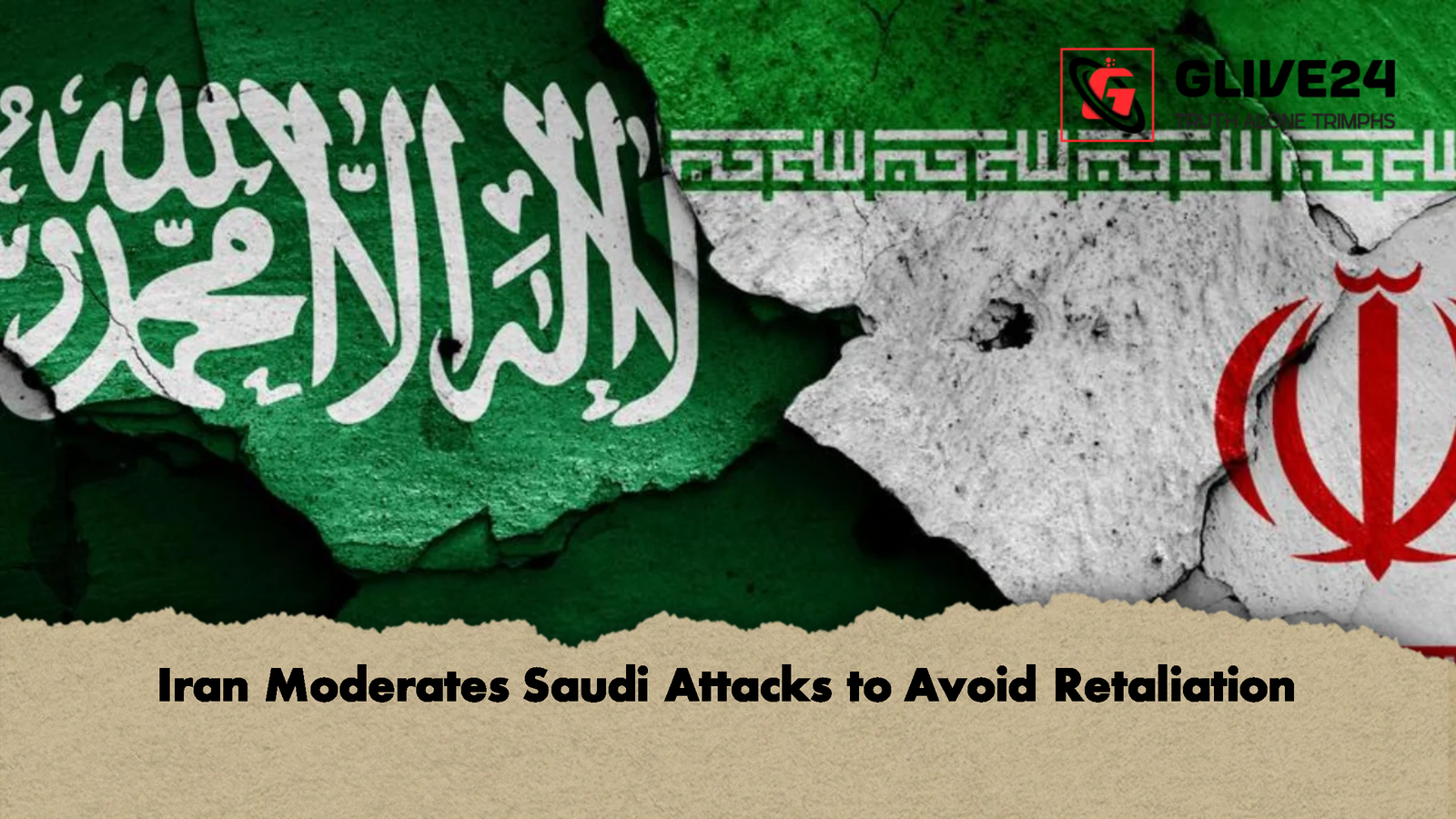
Iran has reportedly reduced the intensity of its military strikes on Saudi Arabia, amid fears that continued heavy assaults could provoke direct retaliatory action from Riyadh. The development, reported on Monday, 23 March, reflects Tehran’s cautious approach as regional tensions escalate. Multiple sources cited by Israeli media outlet Jerusalem Post confirm the decision.
Table of Contents
Overview of Iranian Strikes on Saudi Arabia
Since hostilities began on 28 February 2026, Iran has launched roughly 430 missiles and drones targeting Saudi territory. The majority of drone attacks have focused on the Eastern Province, home to the kingdom’s key oil refineries, while missile strikes have been concentrated on Al-Kharj, located approximately 80 kilometres south of Riyadh, where the Prince Sultan Air Base—hosting U.S. forces—is situated.
Despite the sustained campaign, Saudi Arabia has refrained from mounting direct attacks on Iranian soil. Iranian officials reportedly believe that Saudi forces are “at the threshold of responding,” prompting Tehran to scale back operations to reduce the risk of a full-scale retaliatory conflict.
Strategic Concerns and Red Lines
Saudi Arabia has made its “red lines” explicit: any attacks on water purification plants or power infrastructure would elicit immediate retaliatory action. Riyadh has also recently allowed U.S. forces to utilise Saudi bases for operations against Iran, signalling a recalibration of its defensive posture.
Sources indicate that Iran has temporarily suspended attacks on Qatar, though strikes against Bahrain, Kuwait, and the United Arab Emirates will continue at previous intensity levels. Analysts suggest this measured approach demonstrates Tehran’s attempt to maintain pressure while avoiding escalation that could ignite a broader regional war.
Key Details of Iranian Operations
| Aspect | Details |
|---|---|
| Conflict Start Date | 28 February 2026 |
| Total Strikes on Saudi Arabia | ~430 missiles and drones |
| Primary Targets | Eastern Province oil refineries, Al-Kharj missile attacks |
| Strategic Locations | Prince Sultan Air Base (Al-Kharj), Eastern oil infrastructure |
| Saudi Red Lines | Water purification plants, power stations |
| Adjustments | Reduced intensity in Saudi Arabia; Qatar attacks suspended |
| Ongoing Targets | Bahrain, Kuwait, UAE |
| Source | Jerusalem Post |
Regional Implications
The reduction in attacks highlights Iran’s recognition of the delicate balance in the Gulf, where aggressive actions risk provoking technologically advanced and militarily capable neighbours. Experts stress that this moderation is a strategic effort to sustain pressure while avoiding irreversible escalation.
Observers warn that any miscalculation could have significant repercussions for both regional security and global energy markets, given the Gulf’s importance to global oil supply. Tehran’s cautious recalibration reflects an understanding that uncontrolled escalation could have far-reaching consequences beyond the immediate theatre of conflict.
As tensions remain high, international attention continues to focus on Iran, Saudi Arabia, and their allies, with the stability of the Gulf and global economic flows hanging in the balance.
Source: Jerusalem Post