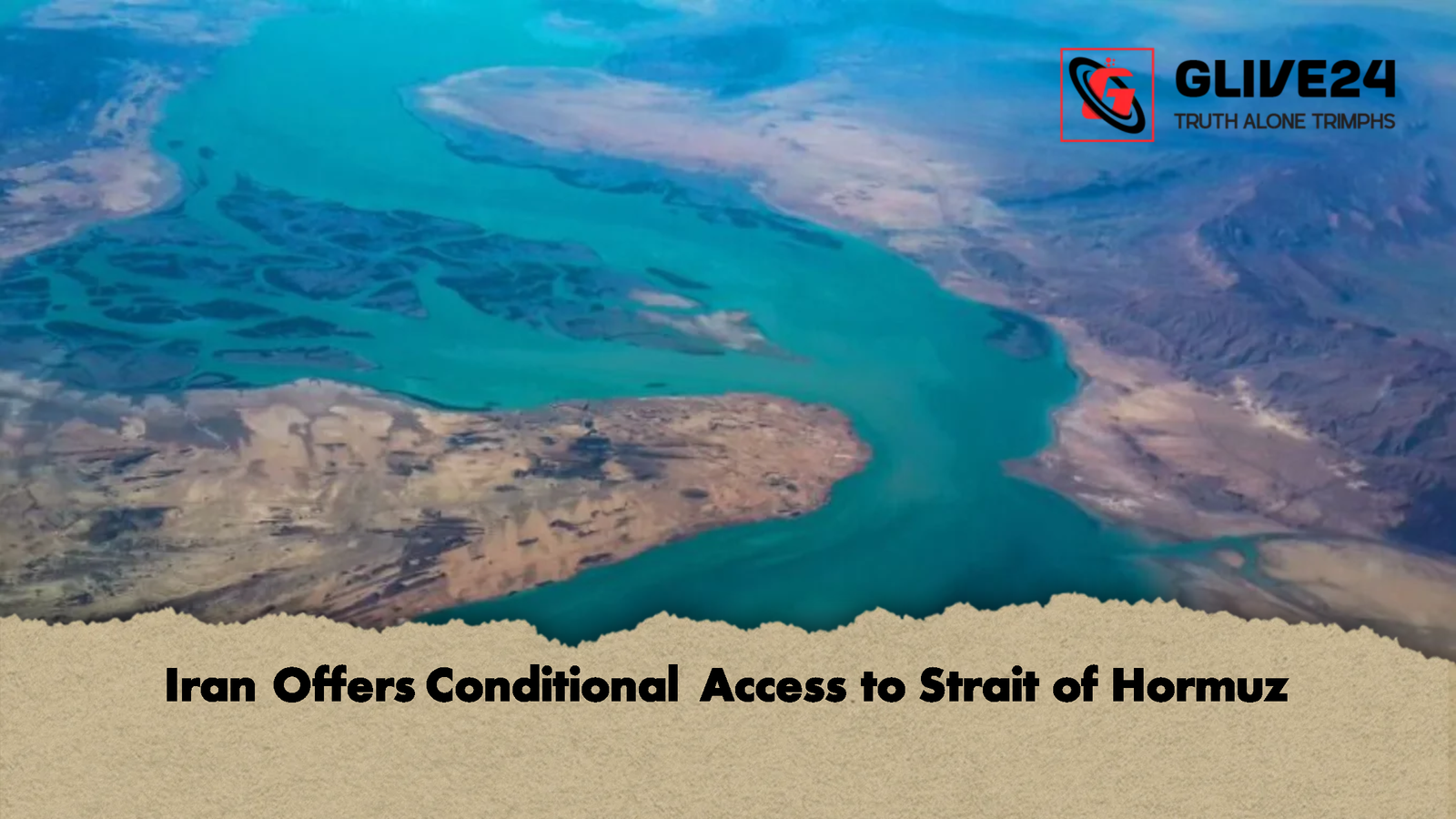
Iran has declared that foreign vessels may continue transiting the strategically crucial Strait of Hormuz, provided ship operators coordinate with Iranian authorities to implement appropriate security and safety measures. The announcement was made by Ali Musavi Mehr, Iran’s representative to the International Maritime Organization (IMO), in a statement to international news agencies.
Musavi, who also serves as Iran’s ambassador to the United Kingdom, stressed that while Iran remains committed to its international obligations, all operators must respect the country’s regional sovereignty and maritime rights. Analysts note that Tehran’s measured approach could provide a stabilising signal to global markets, which have been under pressure due to stalled shipments of oil and gas through the strait.
Coordination and Safety Measures
According to Musavi, Iran is fully prepared to work with the IMO and other nations to enhance maritime security and safeguard seafarers navigating the waterway. However, he made it clear that the Strait will remain closed to countries Iran designates as “enemies,” specifically citing the United States and Israel. He attributed current regional tensions to military pressure from Washington and Tel Aviv, stating that Iran’s measures are intended to protect its sovereignty rather than disrupt international trade.
The conditional access comes at a critical juncture, as hundreds of oil and gas tankers remain delayed in the region, contributing to a spike in global energy prices. Analysts describe Iran’s proposal as a strategic move to ease international pressure while retaining control over this vital maritime corridor.
Strategic Implications
Global maritime authorities and major shipping nations are carefully assessing Iran’s proposal. With no viable alternative routes for Gulf oil exports, the Strait of Hormuz remains indispensable for international energy trade. Tehran has pledged that vessels coordinating with Iranian authorities will receive unhindered passage, though questions remain about the eligibility of ships linked to the so-called “enemy states.”
Strait of Hormuz Transit Overview
| Aspect | Details |
|---|---|
| Location | Strait of Hormuz, Persian Gulf |
| Current Access Policy | Open to foreign ships with Iranian coordination |
| Restricted Access | Closed to designated enemy states (e.g., US, Israel) |
| Objective | Ensure maritime safety, protect sovereignty, stabilise energy trade |
| Strategic Significance | Vital chokepoint for global oil and gas exports |
Musavi’s statement reflects Tehran’s dual objective: safeguarding national security while signalling a willingness to maintain uninterrupted international commerce. The next steps hinge on whether Western powers accept Iran’s coordination requirements and navigate the operational risks for their commercial vessels. Observers suggest that the outcome will directly influence global energy markets, maritime security, and regional geopolitical dynamics in the weeks ahead.