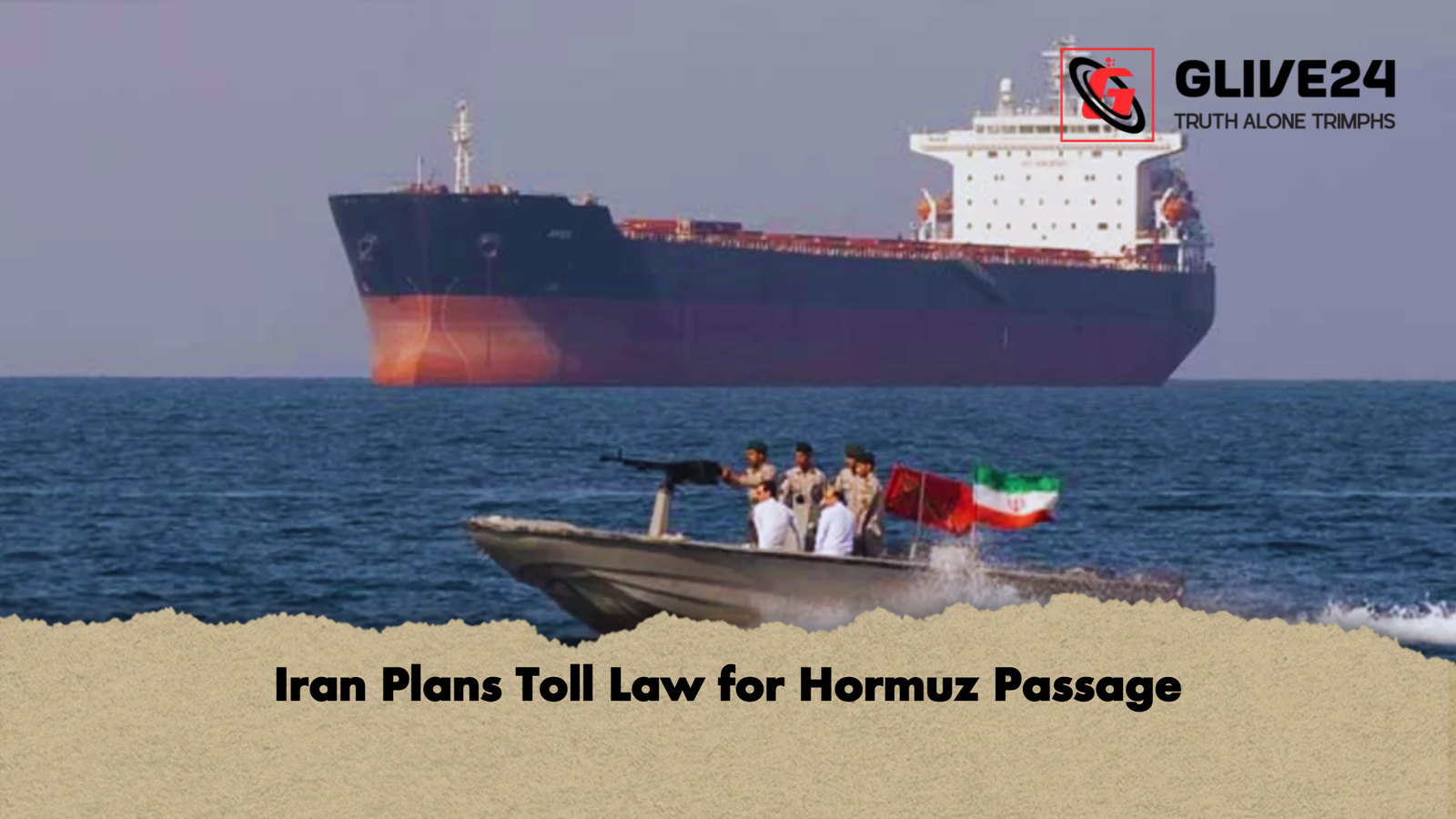
Iran is moving forward with plans to impose fees or tolls on ships seeking safe passage through the strategically vital Strait of Hormuz. The country’s parliament is reportedly drafting legislation to formalise this measure, according to the semi-official Fars News Agency.
Sources cited by Fars indicate that the draft law could be finalised as early as next week. If enacted, it would provide Iran with legal authority to monitor and control maritime traffic in the Strait, a crucial corridor linking the oil- and gas-rich Persian Gulf states to global markets.
The strait has been effectively closed since the United States and Israel launched military operations against Iran nearly a month ago. As a result, the narrow waterway has become a focal point of regional tension. Only a limited number of vessels have managed to navigate the strait, most of which are affiliated with Iran or China. A small number of ships have passed with security clearance from the Islamic Revolutionary Guard Corps (IRGC).
The proposed law would formalise an already informal toll-collection system. Industry sources report that some vessels have been charged up to $2 million in fees, often via intermediaries who collect detailed information on crews, cargo, and voyage particulars. However, these procedures have not been consistently enforced.
Disruptions to shipping in the Strait of Hormuz have forced many oil producers in the Persian Gulf region to curtail output, while several refineries have suffered operational damage due to ongoing conflict. The resulting supply constraints have pushed up global oil prices, with Brent crude reaching over $114 per barrel earlier this week.
Strait of Hormuz: Navigation and Toll Summary
| Aspect | Details |
|---|---|
| Proposed law | Fees/tolls for vessels navigating the strait |
| Maximum reported fee | $2 million (informal basis) |
| Enforcement authority | Islamic Revolutionary Guard Corps (IRGC) |
| Regional significance | Critical corridor for Persian Gulf oil exports |
| Market impact | Brent crude above $114 per barrel |
Analysts warn that formalising tolls could have significant strategic and economic implications. While it would strengthen Iran’s control over a key maritime chokepoint, it may also increase costs and risks for international shipping, potentially affecting oil supply chains and market stability.
Maritime and energy sectors are closely monitoring developments, as the Strait of Hormuz remains one of the most important and sensitive waterways in global trade. With the new law, even routine shipping could face additional scrutiny, documentation requirements, and financial obligations, further heightening the region’s geopolitical stakes.