Tensions between the United States and Iran have intensified following a threat from US President Donald Trump to strike Iranian energy facilities if the Strait of Hormuz is not reopened by Monday, 23 March. In response, Iran’s Islamic Revolutionary Guard Corps (IRGC) and military authorities issued a stern warning, outlining potential retaliatory measures in the event of an attack on the country’s electricity and energy infrastructure.
Table of Contents
Official Statement
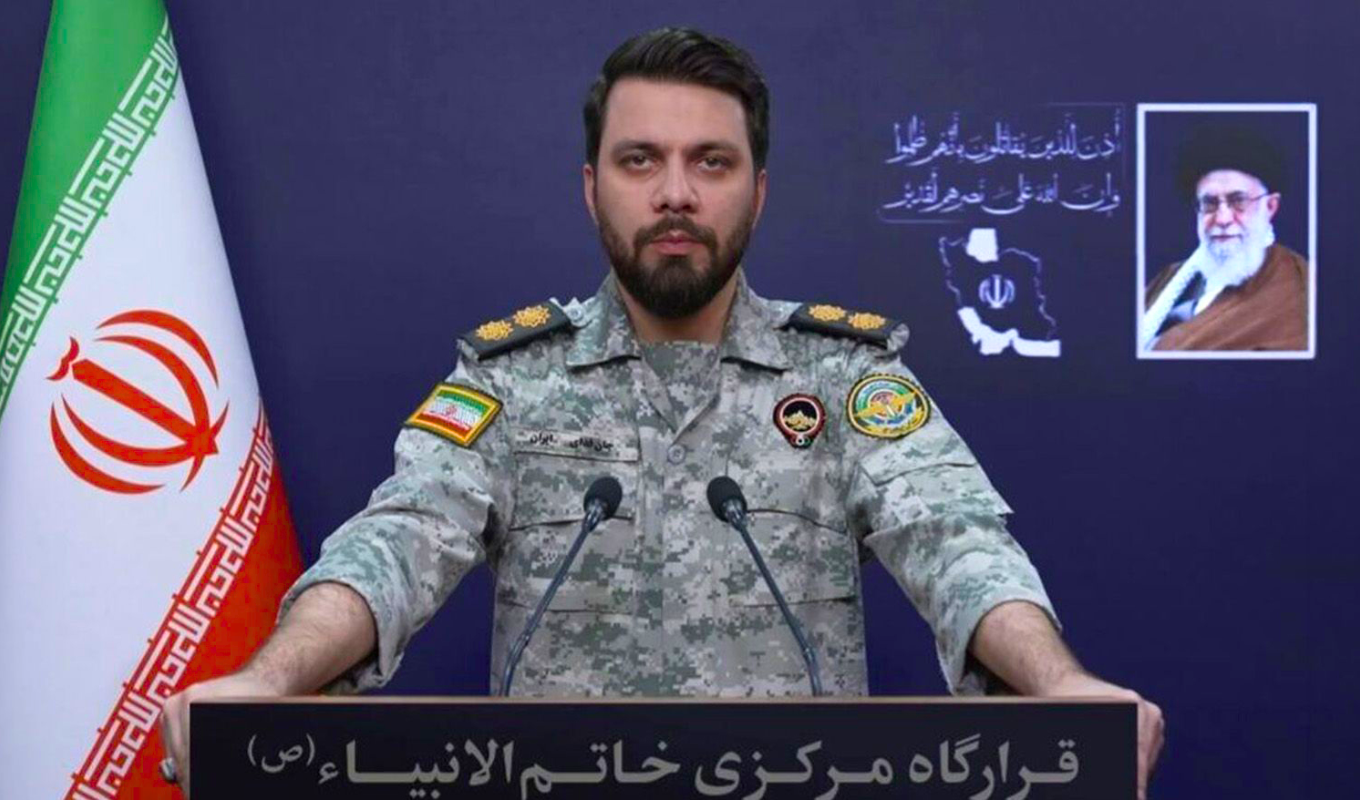
In a televised address, Brigadier General Ebrahim Jolfagari, spokesperson for Iran’s armed forces, described President Trump as a “terrorist” and reaffirmed that the Strait of Hormuz remains under Tehran’s control. While he confirmed that some navigation continues under strict security protocols, he emphasised that Iran would respond decisively to safeguard its national security and strategic interests.
He stated:
“Should the United States carry out its threats against our power plants and energy installations, Iran will respond with firm and proportional measures.”
Potential Retaliatory Measures
General Jolfagari provided a detailed list of Iran’s potential responses to attacks on its energy network. These measures, designed to target both regional and international interests associated with the United States, include:
| Retaliatory Measure | Description |
|---|---|
| Full Closure of Strait of Hormuz | Complete shutdown of the Hormuz Strait, halting all shipping and energy transit until any damaged power plants are fully restored. |
| Targeting Israeli Infrastructure | Strikes against Israel’s electricity grids, fuel distribution, and information technology facilities in retaliation. |
| Destruction of US-Linked Companies | Attacks on companies operating in the region with American shareholders. |
| Attacks on Neighbouring Energy Facilities | Power plants in neighbouring countries hosting US military bases may be considered legitimate targets. |
Rising Regional Tensions
The announcement follows President Trump’s 48-hour ultimatum, threatening to strike Iran’s power plants if the Strait of Hormuz is not reopened. Tehran’s response underscores the potential for regional escalation, with retaliatory measures possibly affecting Israel and neighbouring states. Iranian officials also cautioned that such attacks could cause widespread power outages, disrupting civilian and industrial activity across the region.
Strategic Implications
Analysts have highlighted that Iran’s declared responses reflect a deterrence strategy combined with asymmetric retaliation, signalling that any strike on its energy assets would have consequences beyond national borders. The IRGC’s emphasis on US-linked companies and Israeli infrastructure demonstrates a readiness to escalate in response to perceived existential threats.
The situation further illustrates the fragile security landscape of the Middle East, where disputes over energy transit and regional influence carry global significance. With both sides issuing public threats, international observers are closely monitoring the Strait of Hormuz, a strategic chokepoint responsible for a significant share of the world’s oil supply.
Iran’s announcement is a clear warning: any attempt to sabotage its energy network could provoke proportional or escalatory responses, raising the spectre of a broader regional crisis with potentially severe economic and security ramifications.