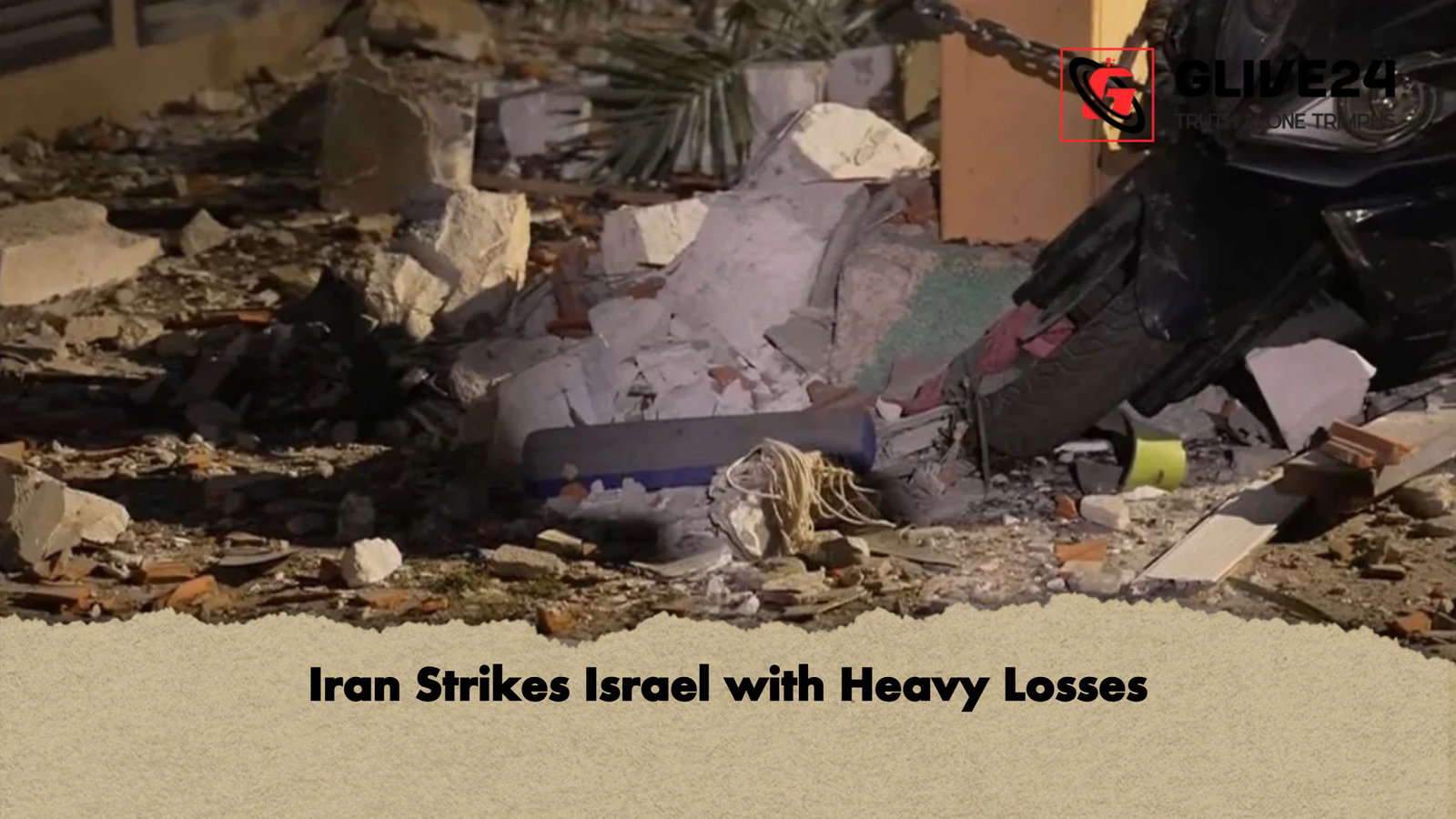
Iran has launched a large-scale and coordinated missile assault on Israel, targeting more than one hundred sites and reportedly causing at least 230 casualties, according to the Islamic Revolutionary Guard Corps (IRGC). The attack is said to have been carried out in retaliation for the killing of Iran’s former senior security official, Dr Ali Larijani, marking a significant escalation in regional tensions.
In a statement issued on Wednesday (18 March), the IRGC confirmed that the strikes formed part of the 61st phase of its ongoing military campaign, titled ‘Operation True Promise 4’. The operation, it said, was a direct response to what Tehran described as continued aggression by the United States and Israel.
The assault focused heavily on Tel Aviv and surrounding central regions, where more than 100 military and security installations were reportedly hit. The IRGC claimed that the strikes were executed using a combination of advanced missile systems, including multi-warhead Khorramshahr-4 and Ghadr missiles, as well as Emad and Kheibar Shekan projectiles. These weapons are known for their extended range and precision-strike capabilities, allowing Iran to hit multiple targets in rapid succession.
The scale and speed of the attack reportedly overwhelmed elements of Israel’s air defence network. Iranian officials asserted that the country’s sophisticated, multi-layered missile defence systems were unable to intercept a significant portion of the incoming projectiles. If accurate, this would represent a rare breach of Israel’s highly regarded defensive infrastructure.
The barrage, which included cluster munitions and successive waves of missiles, triggered widespread panic across Israel. Air raid sirens sounded in several cities, prompting residents to seek shelter in fortified bunkers. Emergency services were deployed across affected areas, while hospitals were placed on high alert to deal with the influx of casualties.
Security analysts note that the use of multi-warhead missiles significantly complicates interception efforts, as a single missile can release multiple payloads targeting different locations. This tactic not only increases the likelihood of successful strikes but also places immense strain on defensive systems.
A summary of the reported attack is provided below:
| Category | Details (as per IRGC claims) |
|---|---|
| Date | 18 March |
| Main Target Area | Tel Aviv and central Israel |
| Number of Targets | Over 100 |
| Reported Casualties | Approximately 230 |
| Weapons Used | Khorramshahr-4, Ghadr, Emad, Kheibar Shekan |
| Operation Name | Operation True Promise 4 (Phase 61) |
While the IRGC has presented the operation as a strategic success, independent verification of the full extent of the damage and casualties remains limited. Israeli authorities have yet to provide a comprehensive official response, although military and political observers expect retaliatory measures to be considered.
The incident underscores the fragility of the security situation in the Middle East. With both Iran and Israel possessing significant military capabilities, the risk of further escalation remains high. International stakeholders are likely to call for restraint, though the prospects for immediate de-escalation appear uncertain given the scale and intensity of the latest developments.