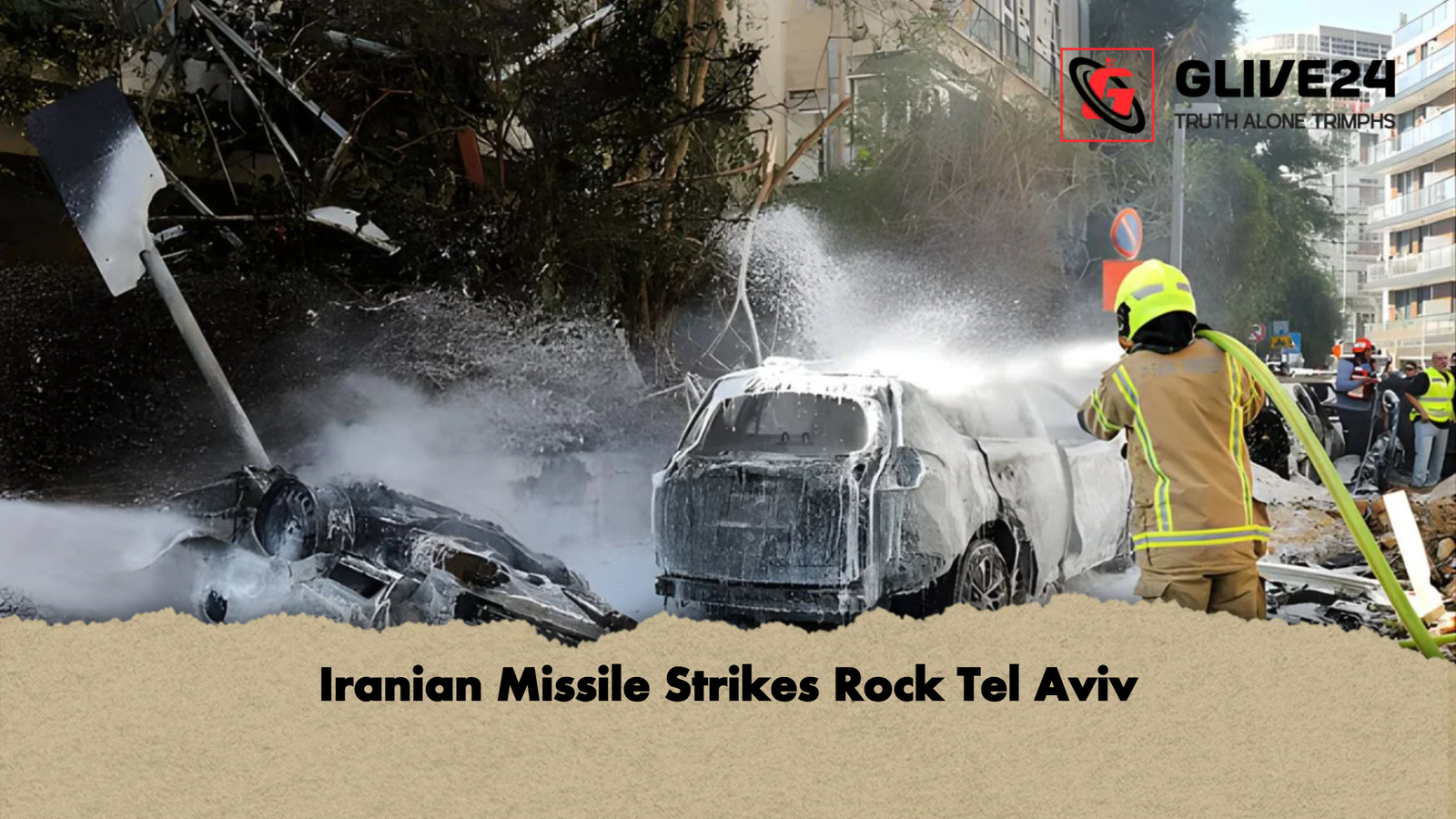
At least six people were injured on Tuesday when Iranian missiles struck Israel’s Tel Aviv, according to reports from Haaretz. The attacks caused extensive damage to several buildings across the city, with emergency services swiftly transporting the wounded to nearby hospitals for treatment.
In central Tel Aviv, a large building and its adjacent road suffered severe structural damage. The explosions ignited fires in vehicles parked nearby, compounding the destruction. In contrast, the Rosh HaAyin area experienced minor damage from falling missile debris, though no casualties were reported there. Rescue teams responded promptly, initiating relief and recovery operations across the affected sites.
The Israeli Home Front Command stated that Iran had launched three rounds of missiles prior to the attacks, with some reaching the northern regions of the country. The strikes coincided with heightened diplomatic tensions, following claims by former U.S. President Donald Trump that “very good” negotiations had taken place with Iran—claims which Tehran has categorically denied.
The table below summarises the reported missile attacks and their immediate consequences:
| Location | Missiles Launched | Injuries | Damage Description | Notes |
|---|---|---|---|---|
| Central Tel Aviv | Unknown | 4 | Building and road damaged; vehicle fires | Significant destruction |
| Rosh HaAyin | 1 | 0 | Minor debris damage | No casualties reported |
| Northern Israel | Unknown | Unknown | Missile impact reported | Detailed information lacking |
Analysts suggest that these attacks signal a new escalation in the complex Iran–U.S.–Israel relationship. The contrast between Trump’s diplomatic statements and the reality of missile strikes has intensified concerns about international stability.
Residents of Tel Aviv have reportedly been alarmed by the attacks, prompting heightened vigilance and security awareness. The Home Front Command has urged citizens to remain alert, while security forces have reinforced monitoring and defensive measures at key installations throughout the city.
International observers have warned that the combination of missile strikes and conflicting diplomatic claims in the Middle East could significantly increase the risk of armed confrontation. They emphasise that states in the region must simultaneously pursue robust diplomatic engagement and stringent security protocols to prevent further escalation.
Tuesday’s missile attacks underscore the intricate challenges of international diplomacy in the region. As tensions between Iran and Israel continue alongside contested diplomatic narratives, the situation remains a volatile flashpoint, demanding urgent attention from policymakers and international mediators alike.