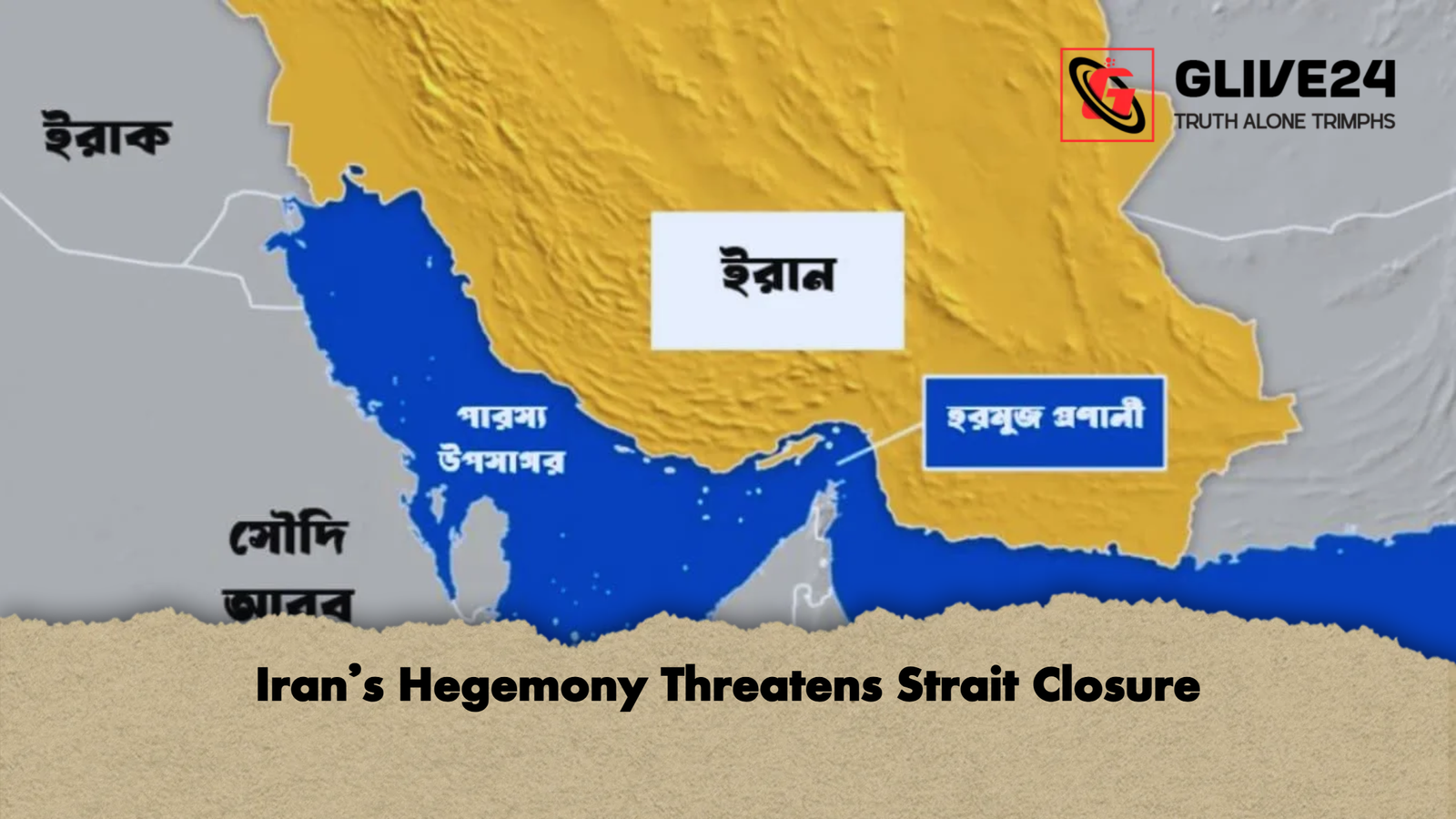
The strategic Strait of Hormuz has once again become the focal point of rising tensions between Iran and the United States, with experts warning that Washington has historically underestimated Tehran’s capacity to disrupt one of the world’s most critical maritime chokepoints.
Professor Mehran Kamrava of Georgetown University in Qatar told international media in a recent interview that it is “astonishing” that the United States failed to fully appreciate Iran’s ability to shut down the Strait or impede shipping in the past. According to Kamrava, Iran possesses the capability to completely close the Strait of Hormuz or impose significant restrictions on maritime traffic at will. “What we are witnessing now,” he added, “is that Iran has an even stronger rationale to control the Strait, either by closure or by selectively allowing only certain vessels to pass.”
The geopolitical context has intensified following former U.S. President Donald Trump’s claims that the United Arab Emirates, Saudi Arabia, and Qatar were assisting in American-Israeli military efforts. Kamrava argues that such statements inadvertently strengthened Iran’s strategic justification for controlling or restricting maritime movement through the Strait. “This is not a new threat,” he emphasised. “Since the Iran-Iraq War, Tehran has consistently used the possibility of closing the Strait as leverage, yet American policymakers never appeared to take it seriously.”
In recent months, the United States reportedly presented Tehran with a 15-point proposal, which included reopening the Strait of Hormuz and implementing other security and navigation measures. Iran has publicly acknowledged receipt of the proposal but has outright rejected its conditions, leaving diplomatic resolutions uncertain.
The strategic importance of the Strait cannot be overstated. Approximately one-fifth of the world’s seaborne oil passes through this narrow waterway, making it a critical artery for global energy supply. Any disruption could have severe economic and political repercussions worldwide. The following table summarises the Strait’s significance:
| Factor | Details |
|---|---|
| Location | Connects the Persian Gulf to the Gulf of Oman |
| Daily Oil Transit | ~20% of global seaborne crude |
| Primary Users | Saudi Arabia, UAE, Kuwait, Qatar, Iraq |
| Strategic Importance | Ensures stability of global energy markets |
Experts warn that any attempt by Iran to assert control over the Strait could trigger a chain reaction affecting oil prices, trade routes, and regional security. Maritime insurers, shipping companies, and global energy markets are closely monitoring Tehran’s actions, highlighting the fragile balance of power in this geopolitically sensitive region.
As tensions continue, the international community faces mounting pressure to engage diplomatically to prevent a potential maritime crisis that could have far-reaching consequences for global trade and energy security.