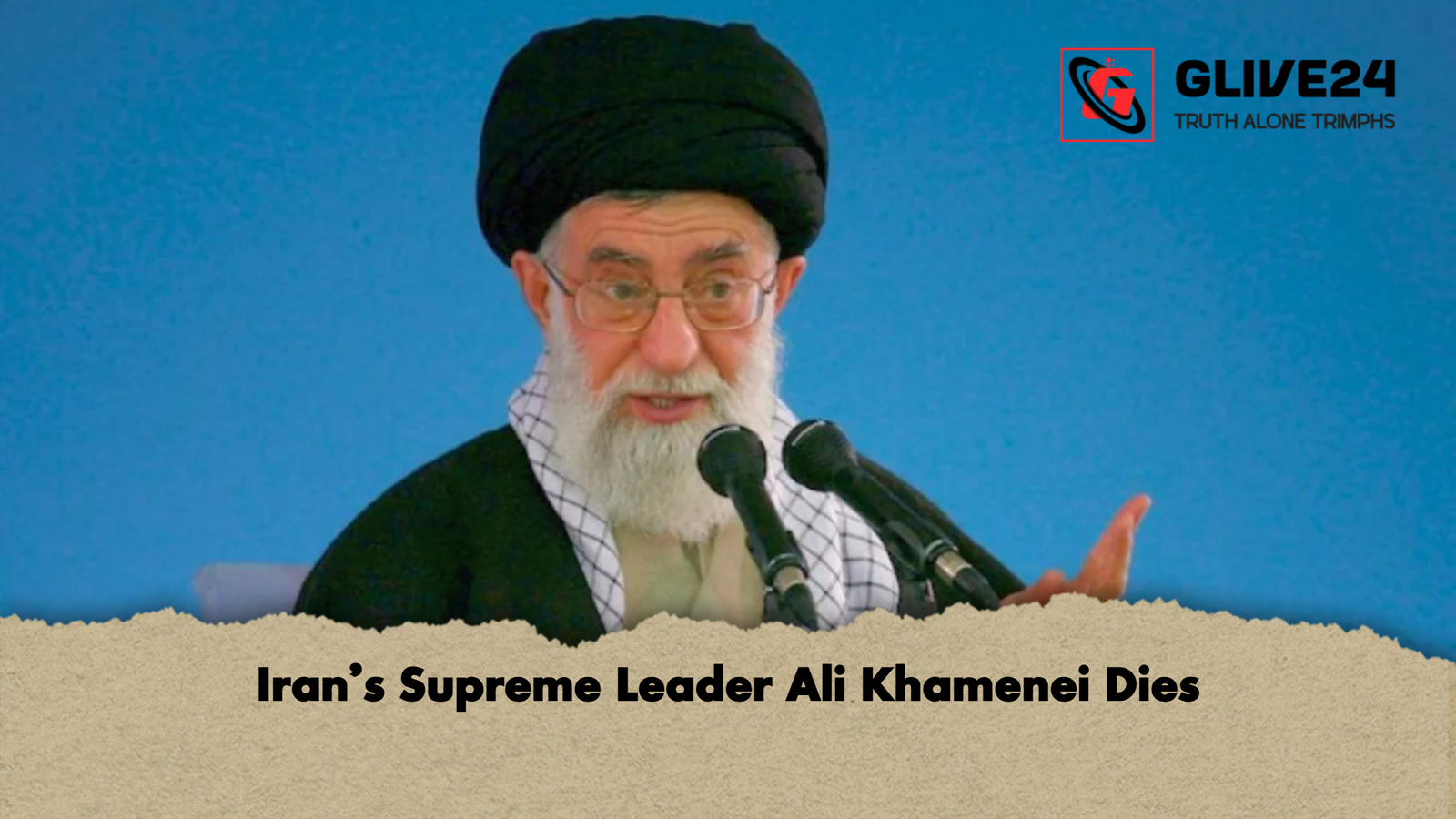
Global geopolitics and the stability of the Middle East have been dramatically shaken following the death of Iran’s Supreme Leader, Ayatollah Ali Khamenei. Iranian state media confirmed the news on 1 March 2026 (Sunday, local time), announcing a nationwide period of forty days of mourning.
The report initially gained international attention when former U.S. President Donald Trump claimed Khamenei had died, suggesting responsibility for the attack lay with the United States and Israel. Subsequently, Iran’s official television confirmed the death, providing details on the circumstances. Russian state outlets and independent journalists initially offered varying accounts, but the Iranian government’s announcement cemented the event and triggered formal mourning protocols.
Profile of Ayatollah Ali Khamenei
Ayatollah Khamenei had been Iran’s Supreme Leader since 1989, holding ultimate authority over both political and religious matters in the country. His influence extended across domestic governance, foreign policy, and military decisions, particularly shaping Iran’s stance in regional and international affairs.
| Aspect | Details |
|---|---|
| Full Name | Ayatollah Ali Khamenei |
| Birth | 1939 (aged 86) |
| Assumed Office | 1989 as Supreme Leader of Iran |
| Tenure | Over 36 years |
| Date of Death | 28 February 2026 (attack); announced 1 March |
| Mourning | 40 days of national mourning; 7-day official holiday |
| Political Influence | Highly influential in Middle Eastern policy, religious governance, and military strategy |
Circumstances and Immediate Impact
According to Iranian authorities, Khamenei was killed in Tehran during a joint U.S.–Israeli military strike while performing his official duties at his office. Following confirmation of his death, Iran’s president and senior officials expressed profound grief, ordering nationwide mourning and a seven-day public holiday.
Analysts warn that Khamenei’s death could deeply destabilise Iran’s political structure and escalate tensions across the Middle East, potentially affecting military and diplomatic alignments.
National Mourning and Global Reactions
Across Iran, citizens are holding assemblies, prayer ceremonies, and memorial events to honour Khamenei’s legacy. Internationally, political observers view the development as a critical signal regarding regional security. Russia and China have expressed concern and urged calm, advocating for dialogue to reduce tensions. Conversely, the United States and Israel maintain that the strike was a necessary security measure, framing the incident within their broader strategic objectives.
The coming weeks are expected to reveal how Iran’s leadership succession unfolds and whether regional powers will exploit the temporary political vacuum, making the Middle East a potential hotspot for renewed instability.