
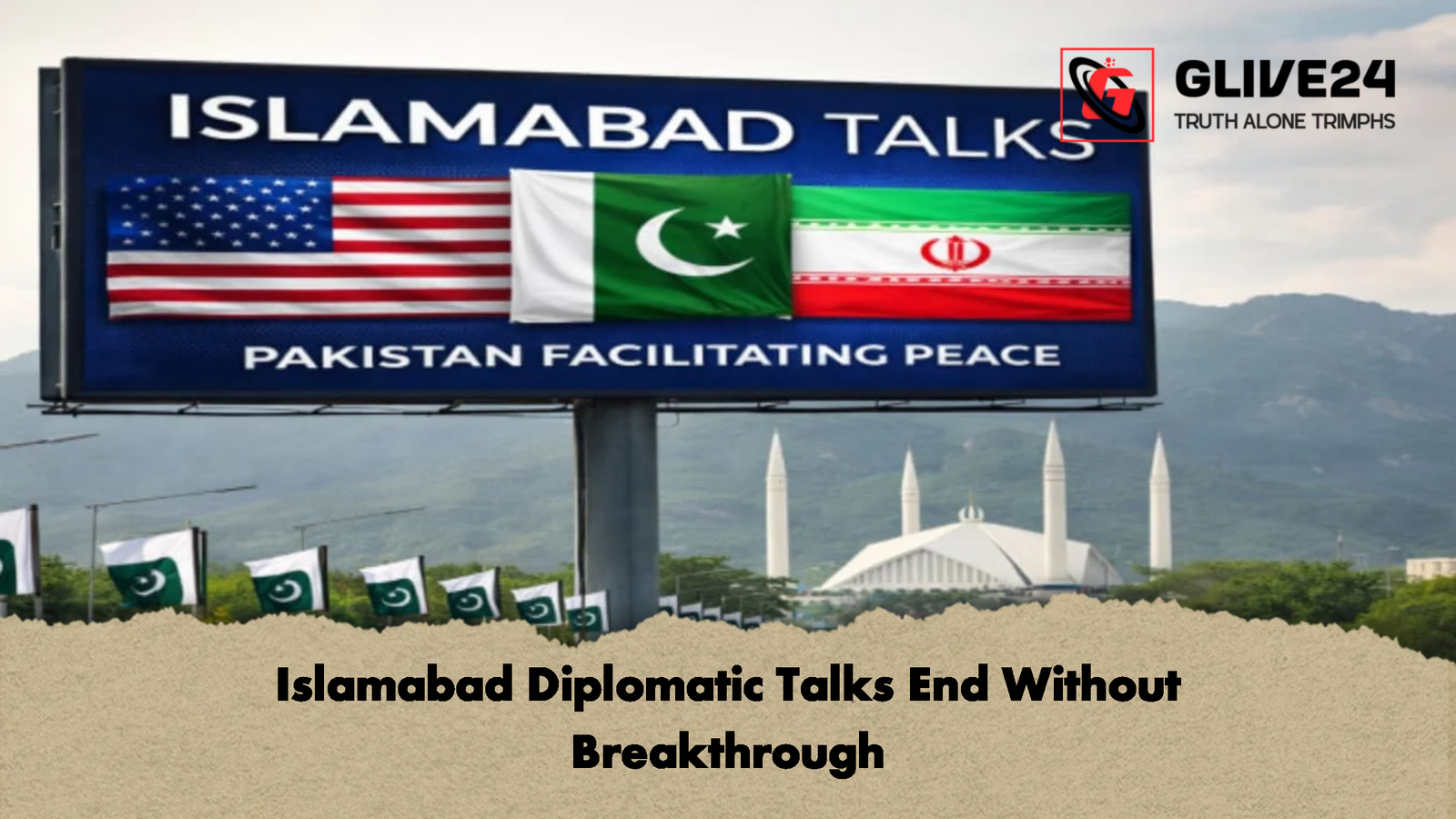
A high-level diplomatic initiative between the United States and Iran, aimed at reducing tensions and exploring pathways towards broader stability in the Middle East, has concluded in Islamabad without any formal agreement, despite an extended 14-hour session of continuous negotiations. Both delegations have since departed the Pakistani capital, with no immediate indication of progress towards a binding deal or even a preliminary framework.
The discussions, hosted in Islamabad under Pakistani mediation, were widely viewed as a rare attempt to keep open direct communication channels between Washington and Tehran amid escalating regional instability. Although no tangible breakthrough emerged, mediators emphasised that neither side walked away prematurely, which they described as a modest procedural success in itself.
Table of Contents
Negotiation overview
| Item | Details |
|---|---|
| Duration | 14 hours |
| Venue | Islamabad, Pakistan |
| Parties involved | United States and Iran |
| Mediator | Pakistan |
| Outcome | No agreement reached |
| Follow-up round | Not yet scheduled |
| Current status | Dialogue continues via technical channels |
Pakistani officials, who facilitated the talks, said they would continue efforts to sustain diplomatic engagement between the two sides. Deputy Prime Minister Ishaq Dar expressed appreciation for both delegations’ participation and reiterated Islamabad’s willingness to remain involved as a neutral intermediary. He voiced cautious optimism that continued dialogue could eventually contribute to regional stability, although he acknowledged that no timeline has been set for the next round of talks.
Deep divisions remain despite extended dialogue
Despite the length of the negotiations, statements from both delegations revealed entrenched differences across several strategic issues. Iranian parliamentary speaker Mohammad Bagher Ghalibaf, who led Tehran’s delegation, said the United States had failed to build sufficient trust or demonstrate goodwill during the discussions.
He argued that Iran had entered the talks with a constructive approach, but longstanding mistrust—shaped by past conflicts, sanctions, and military tensions—made meaningful progress extremely difficult.
On the American side, Vice President JD Vance confirmed that no agreement had been reached, stating that Iran had rejected what he described as Washington’s “final and most comprehensive proposal”. He maintained that the United States had presented its position clearly and expected a firm commitment from Tehran on key security concerns.
Technical engagement continues despite breakdown
Although the Islamabad round ended without an agreement, Iranian officials stressed that diplomatic engagement had not been completely suspended. Tehran confirmed that technical teams from both sides are continuing to exchange detailed proposals and expert-level drafts, suggesting that the process has moved into a lower-level, preparatory phase rather than collapsing entirely.
Iranian Foreign Ministry spokesperson Esmaeil Baghaei said that while some areas of partial understanding had emerged, significant disagreements remain on core strategic issues. He cautioned that expectations of an immediate breakthrough were unrealistic given what he described as the “high level of mistrust” accumulated over years of confrontation and sanctions pressure.
Core issues dominating negotiations
The talks were shaped by three major areas of dispute, each of which remains unresolved:
1. Nuclear programme
The central sticking point remains Iran’s nuclear programme. The United States has demanded strict limits or a complete cessation of activities it views as potentially linked to weapons development, including restrictions on dual-use technologies.
Iran, however, insists that its nuclear programme is strictly peaceful and falls within its sovereign rights under international law. Vice President JD Vance reiterated Washington’s position that any agreement must include “unequivocal and verifiable assurances” that Iran will not pursue nuclear weapons under any circumstances.
2. Strait of Hormuz and maritime control
Another major source of tension is the strategic Strait of Hormuz, a critical maritime passage through which roughly one-fifth of global oil shipments pass. Iran views the waterway as falling under its sovereign control and has described it as a “red line” in negotiations.
Reports from Iranian sources indicated discussions over regulatory authority and transit mechanisms, including proposals for fees denominated in Iranian currency. These positions have heightened concern among international observers, given the strait’s global economic significance.
3. Sanctions, compensation and regional conflicts
Iran also pressed for broad sanctions relief, as well as compensation linked to past military actions and regional hostilities. Tehran further called for an end to ongoing conflicts in the region, including the situation in Lebanon.
The United States, however, did not agree to these conditions, maintaining that sanctions remain a key component of its broader policy framework.
Regional tensions continue outside the talks
Even as negotiations took place in Islamabad, regional instability persisted. Israeli military operations in Lebanon reportedly continued, with Lebanese health authorities confirming at least 13 fatalities in fresh strikes. These developments further complicated the diplomatic backdrop against which the talks were held.
At the same time, Iran’s domestic energy sector is reportedly undergoing recovery efforts following recent damage. A senior official from Iran’s oil ministry stated that the country aims to restore approximately 70–80% of its refining and fuel distribution capacity within one to two months. Some facilities, he added, could resume partial operations within days as repair work progresses.
Uncertain diplomatic outlook
While the Islamabad talks ended without a breakthrough, none of the parties formally declared the process a failure. Pakistan continues to position itself as a facilitator willing to keep communication channels open, while both Washington and Tehran have left the door at least nominally open for future engagement.
However, with fundamental disagreements persisting over nuclear policy, maritime control, sanctions relief, and regional security issues, the prospects for near-term progress remain uncertain. The latest round of talks may ultimately be remembered less for what it achieved, and more for highlighting the depth of the divisions that continue to define US–Iran relations.