
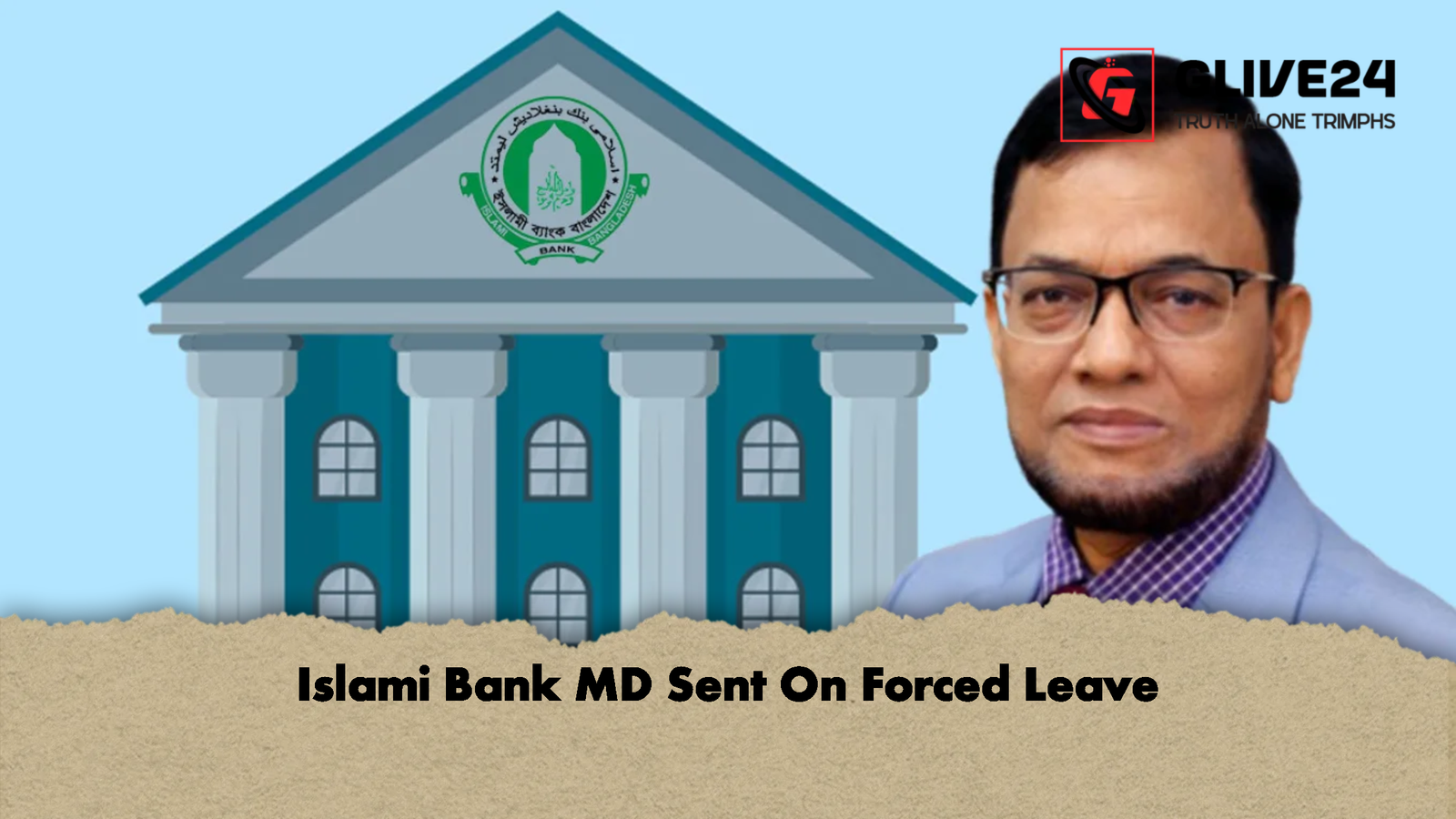
The Managing Director and Chief Executive Officer of Islami Bank Bangladesh Limited, Mohammad Omar Faruk Khan, has been placed on mandatory leave for a period of one and a half months following a decision by the bank’s board of directors. The move, which takes effect from Monday (13 April), comes amid indications of regulatory intervention and heightened scrutiny within the banking sector.
The decision was finalised during a board meeting held on Sunday (12 April). According to sources familiar with the development, the action was taken in line with instructions from Bangladesh Bank, suggesting direct regulatory involvement rather than a purely internal administrative measure.
Table of Contents
Regulatory Influence Behind the Decision
In Bangladesh’s banking framework, any removal or replacement of a managing director typically requires prior approval from the central bank. However, in this case, the directive appears to have originated directly from Bangladesh Bank, prompting the board to place the chief executive on compulsory leave rather than formally dismissing or replacing him.
Such measures are often interpreted as interim steps during periods of regulatory review, internal investigation, or governance restructuring. While no official reason has been publicly disclosed, industry observers suggest the move may be linked to broader oversight efforts within the banking sector, particularly in institutions that have faced governance or financial stability concerns in recent years.
Leadership Transition During Absence
In the absence of the Managing Director, Additional Managing Director Mohammad Altaf Hossain has been appointed as the acting CEO. A senior official confirmed that he will oversee the bank’s day-to-day operations during the interim period, ensuring continuity in management and decision-making.
Professional Background of the MD
Mohammad Omar Faruk Khan assumed the role of Managing Director in August last year, bringing with him nearly four decades of experience within the organisation. Having joined Islami Bank Bangladesh Limited in 1986, he has served in several key departments, including treasury operations, foreign trade, and corporate investment.
He is also a Diplomat Associate of the Institute of Bankers Bangladesh, reflecting his longstanding professional engagement and credentials within the country’s financial sector.
Timeline of Key Developments
| Date | Event |
|---|---|
| 1986 | Omar Faruk Khan joins Islami Bank |
| August 2025 | Appointed Managing Director and CEO |
| 12 April 2026 | Board decides to place him on leave |
| 13 April 2026 | Mandatory leave becomes effective |
Broader Context and Sectoral Implications
The development comes at a time when Bangladesh’s banking sector is undergoing significant reforms and increased regulatory scrutiny. Authorities have been actively working to strengthen governance, improve financial discipline, and restore confidence in banks that have faced liquidity pressures or management concerns.
Industry analysts note that placing a top executive on forced leave—particularly under regulatory instruction—is not an isolated occurrence, but part of a broader pattern of intervention aimed at ensuring accountability and operational transparency.
While the bank has not disclosed any allegations or specific issues related to the Managing Director, such actions often signal deeper institutional reviews. The central bank’s involvement suggests a proactive approach to oversight, potentially aimed at preventing risks before they escalate into larger systemic concerns.
Market and Public Reaction
The decision has drawn attention within financial circles, given the stature of Islami Bank Bangladesh Limited as one of the country’s largest Shariah-compliant financial institutions. Stakeholders, including depositors and investors, are likely to monitor developments closely in the coming weeks.
However, experts emphasise that temporary leadership changes do not necessarily indicate instability. Instead, they may reflect efforts to reinforce governance standards and align management practices with regulatory expectations.
What Lies Ahead
The immediate priority for the bank will be maintaining operational stability under interim leadership while complying with any regulatory requirements. Whether the Managing Director resumes his position after the leave period or further administrative action follows remains uncertain.
For now, the episode underscores the increasing role of Bangladesh Bank in shaping governance practices within the financial sector. As reforms continue, similar interventions may become more common, signalling a shift towards stricter oversight and accountability in Bangladesh’s banking industry.